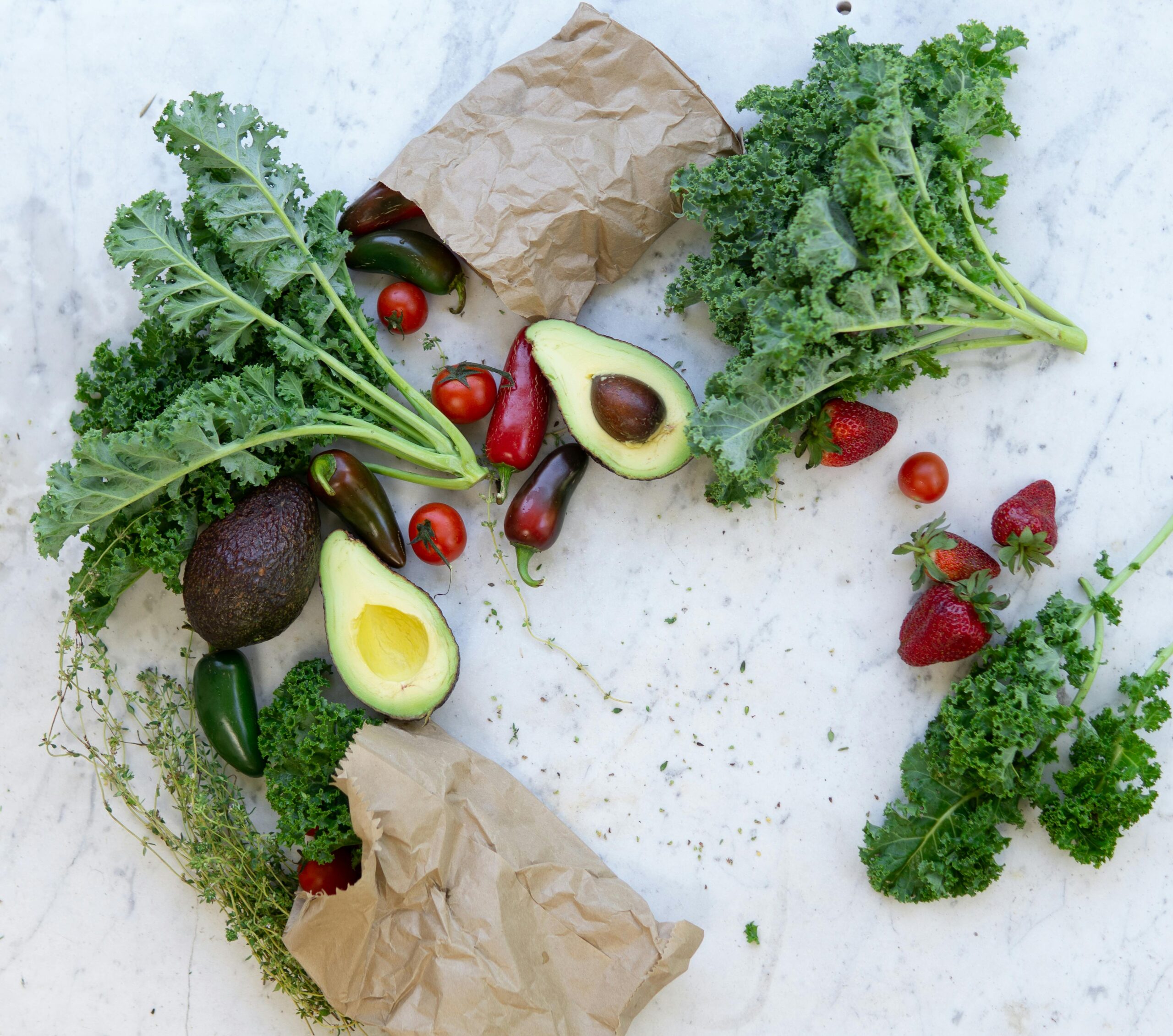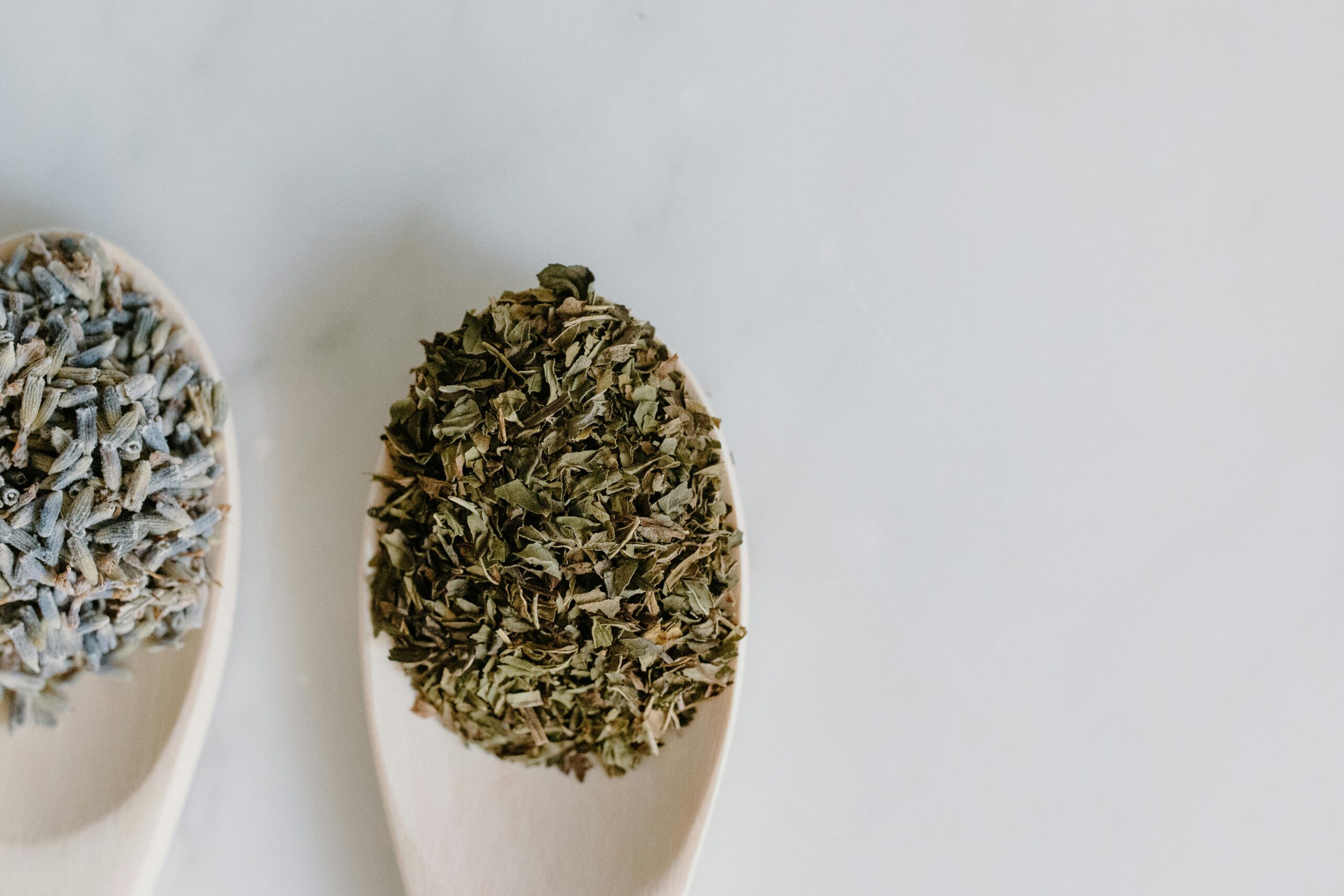
Living with a sensitive digestive system doesn’t mean sacrificing flavor or variety in your meals. A well-stocked low-FODMAP pantry is your secret weapon for creating delicious, gut-friendly dishes that actually excite your taste buds while keeping uncomfortable symptoms at bay.

Understanding how to build and maintain a low-FODMAP pantry can feel overwhelming at first, especially when you’re navigating food labels and trying to identify trigger ingredients. The good news? Once you’ve got the essentials in place, cooking becomes not just manageable but genuinely enjoyable. This comprehensive guide will walk you through everything you need to transform your kitchen into a low-FODMAP haven, making meal preparation easier, faster, and infinitely more delicious.
Understanding the Low-FODMAP Foundation 🌾
Before diving into specific pantry items, it’s essential to grasp what FODMAPs actually are. These fermentable carbohydrates—oligosaccharides, disaccharides, monosaccharides, and polyols—can trigger digestive distress in sensitive individuals. When you eliminate high-FODMAP foods and stock your pantry with safe alternatives, you’re taking control of your gut health without compromising on culinary satisfaction.
The low-FODMAP diet isn’t about permanent restriction but rather a strategic elimination phase followed by systematic reintroduction. Your pantry should reflect this journey, offering flexibility and variety while maintaining strict adherence to low-FODMAP principles during the elimination phase.
Essential Grains and Carbohydrate Sources
Carbohydrates form the backbone of most meals, and fortunately, several grain options fit perfectly within low-FODMAP guidelines. Rice stands as your most versatile ally—white rice, brown rice, basmati, and jasmine varieties are all excellent choices. Keep multiple types on hand to add variety to your meals throughout the week.
Quinoa offers a protein-packed alternative that works beautifully in salads, bowls, and as a side dish. Oats deserve a prominent place in your pantry, but stick to portions of ½ cup or less per serving to keep FODMAP content low. Rolled oats, steel-cut oats, and even oat flour can expand your breakfast and baking options considerably.
Gluten-free pasta made from rice or corn provides comfort food satisfaction without the digestive consequences. Stock various shapes—penne, spaghetti, and fusilli—to keep meals interesting. Rice noodles and rice paper wraps add Asian-inspired options to your repertoire, perfect for stir-fries and fresh spring rolls.
Smart Flour Selections for Baking Adventures
Baking on a low-FODMAP diet requires strategic flour choices. Rice flour (both white and brown) serves as an excellent all-purpose substitute, while potato starch adds lightness to baked goods. Tapioca flour creates wonderful texture in gluten-free recipes, and cornstarch remains essential for thickening sauces and gravies.
Consider keeping almond flour in small quantities—it’s low-FODMAP in servings up to ¼ cup and adds richness to cookies, cakes, and pancakes. Coconut flour, though trickier to work with, offers another dimension for specialized recipes when used in appropriate amounts.
Protein Powerhouses That Respect Your Gut 💪
Building meals around quality protein sources ensures you’re getting adequate nutrition while managing FODMAP intake. Canned tuna and salmon provide quick protein options for salads, sandwiches, and pasta dishes. Look for versions packed in water or olive oil without added garlic or onion.
Firm tofu (drained and pressed) offers plant-based protein that absorbs flavors beautifully. Tempeh, when consumed in moderate portions, can also fit into your low-FODMAP plan. Canned chickpeas require attention to serving size—stick to ¼ cup maximum to stay within safe limits, and always rinse thoroughly to reduce FODMAP content.
Keep shelf-stable options like canned chicken or turkey for emergency meals. Nut butters—peanut butter, almond butter, and macadamia butter—provide both protein and healthy fats, though portion control matters here too. Stick to two tablespoons or less per serving.
Eggs: The Ultimate Pantry Protein
Though technically requiring refrigeration, eggs deserve mention as an absolutely essential low-FODMAP protein source. They’re naturally FODMAP-free, incredibly versatile, and budget-friendly. Stock up on eggs for quick breakfasts, binding agent in baking, or protein-packed additions to fried rice and noodle dishes.
Oil, Vinegars, and Flavor Foundations 🌿
Creating delicious low-FODMAP meals depends heavily on your selection of oils, vinegars, and flavor-building ingredients. Extra virgin olive oil should occupy prime real estate in your pantry, perfect for everything from salad dressings to sautéing vegetables. Garlic-infused olive oil provides that coveted garlic flavor without the FODMAP content, since FODMAPs aren’t fat-soluble and don’t transfer into oil during infusion.
Coconut oil adds tropical notes to Asian-inspired dishes and works beautifully in baking. Sesame oil brings nutty depth to stir-fries and dressings. Keep vegetable or canola oil on hand for neutral-flavored cooking applications.
Rice vinegar, white vinegar, and apple cider vinegar all fit within low-FODMAP guidelines and add brightness to dishes. Balsamic vinegar requires moderation—stick to one tablespoon servings. Red wine vinegar and white wine vinegar round out your acidic arsenal for diverse flavor profiles.
Condiments That Make Everything Better
The right condiments transform simple ingredients into memorable meals. Soy sauce or tamari (for gluten-free needs) adds umami depth, though you’ll want to verify brands don’t contain wheat or hidden FODMAPs. Maple syrup provides natural sweetness that’s completely FODMAP-free.
Dijon mustard, whole grain mustard, and yellow mustard all get the green light. Mayonnaise made without garlic or onion works perfectly for sandwiches and salads. Fish sauce brings complexity to Asian dishes, while oyster sauce can be used sparingly if it doesn’t contain high-FODMAP additives.
Spices and Herbs: Your Flavor Arsenal ✨
One of the biggest misconceptions about low-FODMAP cooking is that it’s bland. Nothing could be further from the truth when you stock the right spices and herbs. Most pure spices and dried herbs are FODMAP-free and can be used generously to create exciting flavor profiles.
Essential spices include cumin, coriander, paprika, turmeric, cinnamon, ginger, black pepper, and cayenne. These form the foundation of countless cuisines and can be combined in infinite ways. Dried herbs like basil, oregano, thyme, rosemary, and bay leaves add Mediterranean flair without digestive consequences.
Avoid spice blends that list garlic powder or onion powder in their ingredients—these concentrated forms contain FODMAPs. Instead, create your own blends using individual spices, or seek out specifically labeled low-FODMAP spice mixtures from specialty brands.
Fresh Herbs Make the Difference
While not technically pantry items, fresh herbs deserve mention for their transformative power. Basil, cilantro, parsley, chives, and mint add vibrant, fresh flavors that elevate even the simplest dishes. Many people keep these growing on windowsills for constant access to gut-friendly flavor bombs.
Canned and Jarred Essentials for Quick Meals 🥫
Strategic canned and jarred items make weeknight cooking dramatically easier. Canned tomatoes—crushed, diced, whole peeled—form the base of countless sauces, soups, and stews. Look for varieties without added garlic or onion. Tomato paste adds concentrated flavor to dishes when you need depth without bulk.
Canned coconut milk (regular, not light) creates creamy curries, soups, and desserts. Ensure the brand you choose contains only coconut and water, without gums or additives that might cause issues. Coconut cream serves similar purposes with even richer results.
Capers and olives provide briny, salty flavor accents. Jarred roasted red peppers add sweetness and complexity to sandwiches, salads, and pasta dishes. Sun-dried tomatoes (not packed in garlic) offer concentrated tomato flavor that transforms simple preparations.
Low-FODMAP Stocks and Broths
Quality stock forms the foundation of soups, risottos, and braised dishes. Unfortunately, most commercial stocks contain onion and garlic. Your options include making your own stock using low-FODMAP vegetables and aromatics, or seeking out certified low-FODMAP stock products from specialty brands.
Making large batches of homemade stock and freezing it in portions ensures you always have this essential ingredient available. Use carrot tops, celery leaves, ginger, and herbs to build flavor without FODMAPs.
Sweeteners That Won’t Upset Your System 🍯
Satisfying your sweet tooth while managing FODMAP intake requires careful sweetener selection. White sugar, brown sugar, and powdered sugar are all FODMAP-free and work perfectly in baking and beverages. Maple syrup provides rich, complex sweetness for pancakes, oatmeal, and baking applications.
Glucose syrup and rice malt syrup offer liquid sweetener alternatives that won’t trigger symptoms. Dark chocolate (70% cocoa or higher) satisfies chocolate cravings in moderate portions—stick to about five squares or 30 grams. Milk chocolate typically contains high-FODMAP milk solids, so darker is better.
Avoid honey, agave nectar, and high-fructose corn syrup during the elimination phase, as these contain problematic FODMAPs. Artificial sweeteners like stevia and sucralose are technically low-FODMAP but may cause digestive issues for some sensitive individuals through different mechanisms.
Snack Items That Support Your Journey 🥜
Having low-FODMAP snacks readily available prevents desperate, potentially triggering food choices when hunger strikes. Rice cakes provide a crunchy base for nut butters or cheese. Corn chips and tortilla chips (without onion or garlic seasonings) satisfy salty, crunchy cravings.
Nuts require portion awareness—most are low-FODMAP in servings of about 10-15 nuts. Almonds, macadamias, peanuts, pecans, and walnuts all work, though cashews and pistachios should be avoided due to higher FODMAP content. Pumpkin seeds and sunflower seeds offer seed-based alternatives.
Dark chocolate, as mentioned, makes an excellent treat. Popcorn (plain or lightly salted) provides whole-grain satisfaction. Rice crackers and corn thins offer vehicles for cheese, nut butter, or low-FODMAP spreads.
Dried Fruit Considerations
Most dried fruits contain concentrated FODMAPs and should be avoided during elimination. However, dried cranberries in very small amounts (about one tablespoon) may be tolerated. Banana chips, despite being made from bananas (which are low-FODMAP when unripe), often contain problematic FODMAPs when dried and should be approached cautiously.
Beverages and Drink Mixes ☕
Your beverage pantry deserves attention too. Coffee and tea (black, green, white, oolong) are all FODMAP-free and can be enjoyed freely. Herbal teas vary—peppermint and ginger teas support digestion, while chamomile is generally well-tolerated. Avoid chicory-based coffee substitutes, as chicory contains high FODMAPs.
Keep lactose-free milk or suitable plant-based alternatives like almond milk (check for additives), rice milk, or coconut milk (from cartons, not cans). Oat milk should be consumed in small amounts due to FODMAP content. Regular cow’s milk contains lactose and should be avoided unless it’s specifically lactose-free.
For cocktail enthusiasts, most spirits are FODMAP-free, though rum occasionally contains problematic ingredients. Wine and beer should be consumed in moderation, with gluten-free beer being the safer choice. Mixers require scrutiny—avoid those with high-fructose corn syrup or artificial sweeteners that might trigger symptoms.
Organization Strategies for Low-FODMAP Success 📋
Stocking the right foods is only half the battle—organization ensures you actually use these ingredients efficiently. Group items by category: grains together, canned goods together, spices in their own designated space. This system reduces meal-planning stress and helps you quickly assess what you have on hand.
Consider using clear containers for dry goods like rice, quinoa, and oats. Label everything with purchase dates to track freshness. Create a running inventory list on your phone or a magnetic notepad on the refrigerator, making grocery shopping more efficient and reducing the chance you’ll run out of essential items.
Meal planning becomes dramatically easier with a well-organized low-FODMAP pantry. Dedicate time each week to plan meals around what you already have, supplementing with fresh proteins and vegetables as needed. This approach reduces food waste, saves money, and ensures you always have gut-friendly options available.
Reading Labels Like a Pro
Developing label-reading skills is crucial for maintaining your low-FODMAP pantry. Look for hidden sources of FODMAPs like inulin, chicory root, garlic powder, onion powder, high-fructose corn syrup, and honey. Ingredients are listed by weight, so even if a problematic ingredient appears near the end of a long list, it might still cause issues for highly sensitive individuals.
Familiarize yourself with FODMAP-friendly certified brands, which have undergone testing to verify their suitability. The Monash University Low FODMAP Diet app provides the most reliable, research-backed information about FODMAP content in foods and can be an invaluable tool while shopping.
Budget-Friendly Low-FODMAP Pantry Building 💰
Building a low-FODMAP pantry doesn’t require breaking the bank. Start with basics—rice, eggs, canned tomatoes, oil, salt, and a few key spices. Gradually expand your collection, adding one or two new items each shopping trip. Buy frequently used items in bulk when possible, as staples like rice and quinoa store well long-term.
Generic or store brands often work perfectly well for basic ingredients like rice, canned goods, and oils. Reserve splurges for specialty items that dramatically impact your quality of life, like garlic-infused oil or certified low-FODMAP stock. Frozen vegetables complement your pantry beautifully and often cost less than fresh while maintaining nutritional value.
Growing your own herbs, even in small pots on a sunny windowsill, provides fresh flavor at minimal cost. Making certain items from scratch—like garlic-infused oil, stock, and spice blends—saves money while ensuring complete ingredient control.
Seasonal Adjustments and Pantry Refreshes 🔄
Your low-FODMAP pantry should evolve with the seasons and your changing needs. Summer might mean stocking up on ingredients for cold salads and fresh salsas, while winter calls for hearty soup and stew components. Regularly audit your pantry, rotating older items to the front and discarding anything past its prime.
As you progress through the low-FODMAP journey and begin reintroducing foods, your pantry will naturally expand to include previously restricted items that you’ve successfully reintroduced. This personalization makes your pantry uniquely suited to your individual tolerance levels.
Stay curious and keep exploring new low-FODMAP products as they become available. The market for digestive-health-friendly foods continues expanding, with new options regularly appearing that can add variety and convenience to your cooking routine.

Making Peace with Your Low-FODMAP Kitchen 🏡
Transforming your pantry into a low-FODMAP haven represents more than just swapping out ingredients—it’s about reclaiming your relationship with food and cooking. When your shelves are stocked with safe, delicious options, meal preparation stops feeling like a minefield and starts feeling like creative expression.
Remember that perfection isn’t the goal; progress is. You’ll occasionally discover a product contains hidden FODMAPs, or you’ll accidentally purchase something unsuitable. These moments are learning opportunities, not failures. Over time, navigating the low-FODMAP landscape becomes second nature, and your pantry reflects your growing confidence and expertise.
Your well-stocked low-FODMAP pantry empowers you to cook spontaneously, experiment with new recipes, and host gatherings without anxiety. It’s the foundation upon which you’ll build countless delicious, gut-friendly meals that nourish both body and spirit. With these essentials in place, you’re not just managing symptoms—you’re thriving with a sensitive digestive system, one flavorful meal at a time.