Managing a low-FODMAP diet doesn’t mean sacrificing flavor or spending hours in the kitchen. Busy professionals can enjoy delicious, gut-friendly meals that fit seamlessly into their hectic schedules.

The low-FODMAP diet has become increasingly popular among those dealing with irritable bowel syndrome (IBS) and other digestive issues. For working professionals juggling meetings, deadlines, and personal commitments, finding time to prepare specialized meals can feel overwhelming. However, with the right strategies and recipes, eating low-FODMAP can be both convenient and enjoyable, allowing you to maintain your health without compromising your productivity.
Understanding the Low-FODMAP Basics for Busy Lifestyles 🎯
FODMAPs are fermentable oligosaccharides, disaccharides, monosaccharides, and polyols—short-chain carbohydrates that can trigger digestive discomfort in sensitive individuals. For professionals managing IBS symptoms while maintaining demanding careers, understanding which foods to embrace and which to avoid becomes essential for both comfort and performance.
The elimination phase of a low-FODMAP diet typically lasts six to eight weeks, followed by a systematic reintroduction period. During this time, meal planning becomes crucial, especially when your schedule leaves little room for trial and error. The good news is that many whole foods naturally fit into this dietary framework, making quick meal preparation entirely feasible.
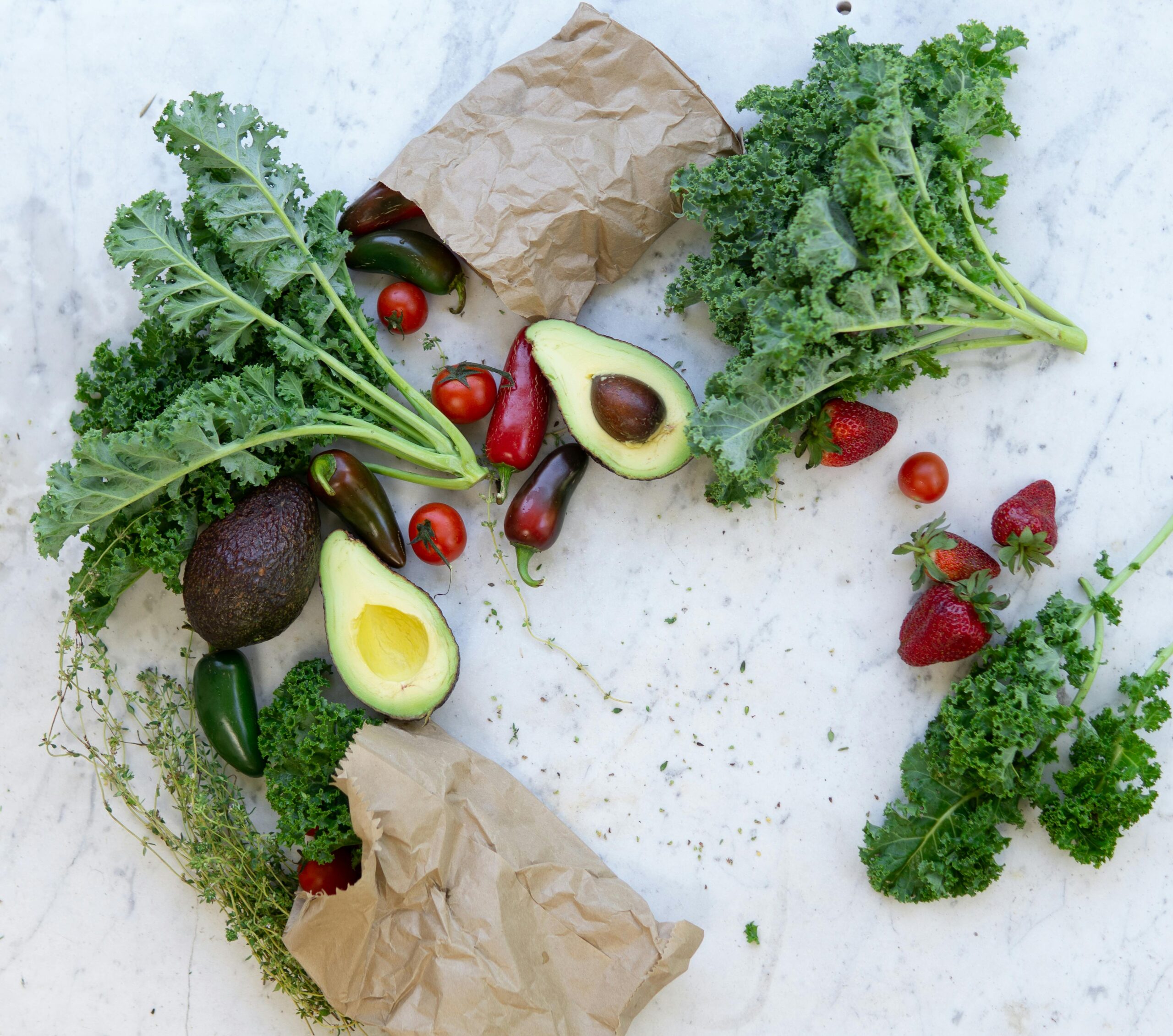
Common low-FODMAP foods include proteins like chicken, fish, eggs, and tofu; grains such as rice, quinoa, and gluten-free oats; vegetables like spinach, carrots, zucchini, and bell peppers; and fruits including strawberries, blueberries, oranges, and kiwi. These ingredients form the foundation of countless quick and satisfying meals perfect for busy professionals.
Smart Meal Prep Strategies That Save Time ⏰
Successful low-FODMAP eating on a busy schedule begins with strategic meal preparation. Dedicating just two hours on a Sunday afternoon can set you up for an entire week of stress-free eating. This approach not only saves time but also reduces the temptation to grab potentially problematic foods when hunger strikes between meetings.
Start by batch-cooking proteins such as grilled chicken breasts, baked salmon fillets, or seasoned ground turkey. These can be portioned into containers and used throughout the week in various combinations. Similarly, preparing large batches of low-FODMAP grains like quinoa or brown rice provides versatile bases for quick assembly meals.
Washing and chopping vegetables in advance transforms weeknight cooking from a chore into a simple assembly process. Store pre-cut bell peppers, carrots, cucumber, and lettuce in airtight containers with paper towels to maintain freshness. This small investment of time pays dividends when you’re rushing to prepare lunch before an important video conference.
The Power of Mason Jar Meals
Mason jar salads have revolutionized portable low-FODMAP eating for professionals. Layer your dressing at the bottom, followed by sturdy vegetables like cucumbers and bell peppers, then proteins, grains, and finally delicate greens at the top. When you’re ready to eat, simply shake and enjoy a fresh, perfectly dressed meal that’s been safe in your work refrigerator all morning.
15-Minute Breakfast Solutions That Fuel Your Morning 🌅
Skipping breakfast often leads to poor food choices later in the day, especially when digestive issues are already a concern. These quick low-FODMAP breakfast options ensure you start your day nourished and ready to tackle whatever comes your way.
A simple scrambled egg bowl with spinach, cherry tomatoes, and a sprinkle of lactose-free cheese takes just minutes to prepare and provides sustained energy without triggering symptoms. Pair it with a slice of gluten-free toast topped with peanut butter for added satisfaction. This combination delivers protein, healthy fats, and fiber to keep you focused during morning meetings.
Overnight oats made with gluten-free oats, lactose-free milk or almond milk, and topped with strawberries and a tablespoon of chia seeds can be prepared the night before. Simply grab from the refrigerator on your way out the door. This portable option works perfectly for professionals who eat breakfast at their desk or during their commute.
Smoothie bowls offer another quick solution. Blend frozen blueberries, a ripe banana (half if you’re in elimination phase), lactose-free yogurt, and a handful of spinach. Pour into a bowl and top with low-FODMAP granola and sliced kiwi. The entire process takes less than ten minutes and provides nutrients that support both digestive health and cognitive function.
Lunch Ideas That Travel Well and Taste Amazing 🥗
Lunch presents unique challenges for working professionals following a low-FODMAP diet. Restaurant meals often contain hidden high-FODMAP ingredients, making packed lunches the most reliable option for symptom management while maintaining professional obligations.
A classic chicken and quinoa bowl exemplifies simplicity and nutrition. Combine cooked quinoa with grilled chicken strips, roasted zucchini, cherry tomatoes, cucumber, and spinach. Dress with olive oil, lemon juice, salt, and pepper. This meal stays fresh in the refrigerator and can be eaten cold or quickly reheated, making it ideal for unpredictable schedules.
Rice paper rolls filled with cooked shrimp, carrots, cucumber, lettuce, and rice noodles offer a refreshing alternative to traditional sandwiches. Prepare these the night before and pack with a small container of low-FODMAP peanut sauce made from peanut butter, tamari (gluten-free soy sauce), lime juice, and a touch of maple syrup. They’re impressive enough to eat during a working lunch yet simple enough for regular rotation.
The Ultimate Low-FODMAP Bento Box
Bento-style lunches work exceptionally well for low-FODMAP eating because they naturally incorporate variety without requiring complex recipes. Include sections for protein (hard-boiled eggs or turkey slices), vegetables (carrot sticks and bell pepper strips), fruit (orange segments or grapes), a small portion of nuts (almonds or walnuts), and crackers (rice crackers or gluten-free crackers). This approach ensures nutritional balance and prevents meal fatigue.
Speedy Dinner Solutions After Long Workdays 🍽️
After an exhausting day at the office, the last thing anyone wants is to spend an hour cooking. These quick dinner solutions respect both your dietary needs and your energy levels, delivering satisfying meals in thirty minutes or less.
One-pan meals are the busy professional’s best friend. Try salmon with roasted vegetables: place a salmon fillet on a baking sheet, surround it with chopped zucchini, bell peppers, and carrots, drizzle everything with olive oil and your favorite low-FODMAP herbs, then bake at 400°F for 20 minutes. The result is a complete, nutritious meal with minimal cleanup—a crucial consideration when tomorrow’s workday starts early.
Stir-fries offer endless variety and come together quickly. Heat a tablespoon of garlic-infused oil (the oil captures flavor without FODMAPs), add your choice of protein, then toss in low-FODMAP vegetables like bok choy, bean sprouts, bell peppers, and carrots. Season with tamari and ginger, serve over rice, and dinner is ready in fifteen minutes. The key is having your ingredients prepped in advance, turning cooking into simple assembly.
Pasta lovers need not despair—gluten-free pasta made from rice or corn pairs beautifully with low-FODMAP sauces. A simple tomato sauce made from canned tomatoes (without onion or garlic), fresh basil, olive oil, and oregano tastes fresh and authentic. Add grilled chicken or shrimp for protein, and you have a comforting meal that feels indulgent while remaining symptom-friendly.
Snacks That Keep Energy Stable Between Meetings 🥜
Strategic snacking prevents the energy crashes that plague busy professionals, especially when managing digestive sensitivities. Having low-FODMAP snacks readily available in your desk drawer or work bag ensures you’re never caught without safe options when hunger strikes between meetings or during afternoon slumps.
Hard-boiled eggs represent portable protein perfection. Prepare a dozen at the beginning of the week and grab one or two as needed. Pair with rice crackers for a satisfying combination that stabilizes blood sugar without triggering digestive distress. This simple snack provides sustained energy for focusing on complex tasks or powering through challenging projects.
Trail mix made from almonds, walnuts, pumpkin seeds, and dark chocolate chips (check for low-FODMAP certification) offers satisfying crunch and sweetness. Portion individual servings into small containers or bags for grab-and-go convenience. The healthy fats and protein help maintain concentration during long meetings or while working on detailed reports.
Fresh fruit paired with lactose-free cheese or peanut butter creates a balanced snack that satisfies both sweet and savory cravings. Try orange segments with a string cheese, or apple slices (limit to one small apple) with a tablespoon of peanut butter. These combinations provide quick energy without the crash associated with high-sugar snacks.
Restaurant Navigation and Eating Out Strategies 🍴
Professional life often involves client dinners, team lunches, and business travel. Navigating restaurants while maintaining a low-FODMAP diet requires strategy but becomes easier with practice and preparation. The key is understanding how to modify menu items and communicate effectively with restaurant staff.
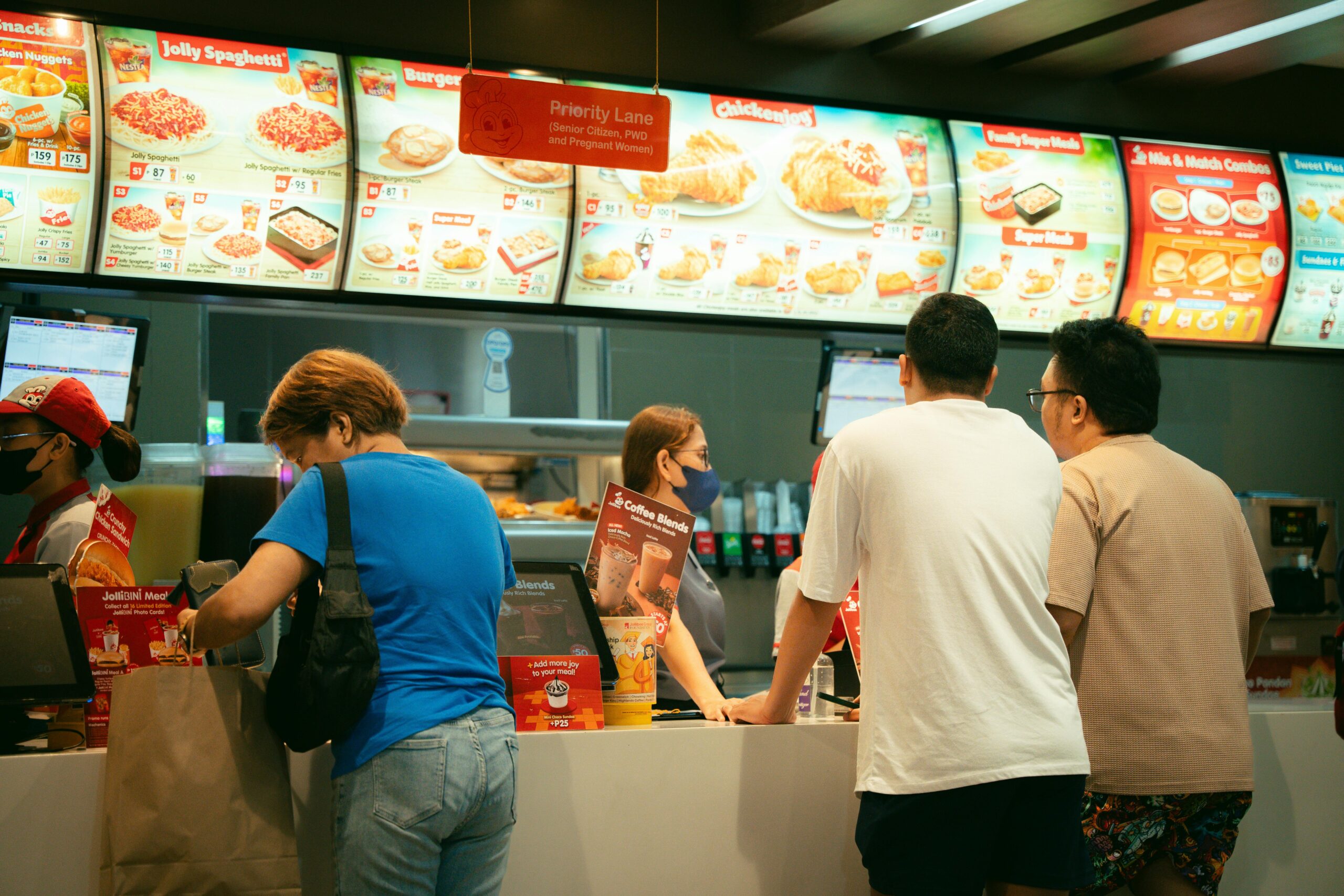
Choose restaurants with simple, customizable menus where ingredients are clearly listed. Steakhouses, seafood restaurants, and Asian fusion spots often offer the most flexibility. Order grilled proteins with steamed vegetables and rice, requesting that garlic and onions be omitted. Most chefs willingly accommodate dietary restrictions when communicated clearly and politely.
Carry a dining card that briefly explains your dietary needs without revealing medical details. A simple statement like “I have food sensitivities and need to avoid garlic, onions, wheat, and dairy” helps waitstaff understand your requirements without requiring a lengthy explanation during business meals. This approach maintains professionalism while protecting your health.
Travel-Friendly Low-FODMAP Solutions
Business travel presents additional challenges for low-FODMAP adherents. Pack portable snacks like rice cakes, individual nut butter packets, and firm fruits like oranges or strawberries. Research restaurants near your hotel in advance and identify safe options before hunger and jet lag compromise your decision-making. Many grocery stores now offer prepared foods that can serve as hotel room meals when restaurant options seem limited.
Technology Tools for Low-FODMAP Success 📱
Modern technology has made following a low-FODMAP diet significantly easier, especially for professionals who need information quickly while making food decisions. Several specialized apps provide comprehensive food databases, recipes, and shopping lists that fit in your pocket.
The Monash University FODMAP Diet app remains the gold standard, created by the researchers who developed the diet. It offers a searchable database of foods with traffic-light ratings, portion guidance, and regular updates based on new research. For busy professionals, having this resource immediately available transforms uncertainty into confidence when grocery shopping or planning meals.
Meal planning apps with filtering capabilities help streamline weekly preparation. Set your dietary preferences to low-FODMAP, and these platforms generate shopping lists and recipes that align with your needs. This automation saves precious time during busy weeks when planning feels overwhelming.
Building Your Low-FODMAP Kitchen Arsenal 🔪
Having the right tools and pantry staples transforms low-FODMAP cooking from challenging to effortless. Invest in quality storage containers for meal prep, a reliable rice cooker that doubles as a set-it-and-forget-it solution for grains, and a good nonstick pan for quick protein preparation. These tools pay for themselves through time saved and meals successfully executed.
Stock your pantry with essential low-FODMAP ingredients that enable quick meal assembly. Keep garlic-infused olive oil for flavor without FODMAPs, gluten-free tamari for Asian-inspired dishes, canned tomatoes for quick sauces, and multiple varieties of gluten-free grains. Having these staples on hand means you’re always just minutes away from a satisfying meal, even on the most chaotic days.
Herbs and spices become especially important on a low-FODMAP diet since garlic and onions are restricted. Build a collection including basil, oregano, thyme, rosemary, cumin, paprika, and ginger. These flavor powerhouses ensure your meals never feel bland or boring, maintaining the pleasure of eating while managing digestive health.
Sustainable Habits for Long-Term Success 🌱
The transition to low-FODMAP eating requires initial effort, but establishing systems and routines makes it increasingly effortless over time. View the first few weeks as an investment in discovering what works for your unique schedule and preferences. What feels challenging initially soon becomes second nature, much like any new professional skill.
Create themed meal nights to reduce decision fatigue. Perhaps Monday is always stir-fry night, Wednesday features one-pan meals, and Friday offers simple grilled proteins with roasted vegetables. This structure provides framework without monotony, as infinite variations exist within each theme. Reducing decisions about what to cook preserves mental energy for work challenges.
Connect with others following low-FODMAP diets through online communities and social media groups. These networks offer recipe ideas, problem-solving support, and encouragement during challenging phases. Many professionals find that sharing strategies with peers facing similar constraints helps them maintain commitment and discover creative solutions they wouldn’t have considered alone.
Transforming Challenges Into Opportunities 💪
Following a low-FODMAP diet as a busy professional initially seems like adding complexity to an already demanding life. However, many find that the structure it provides actually simplifies decision-making and improves overall wellness beyond digestive symptoms. Better energy, improved focus, and reduced discomfort translate directly into enhanced professional performance.
The skills developed through managing this dietary approach—planning, preparation, and prioritization—transfer directly to workplace success. The same organizational abilities that ensure you have satisfying lunches prepared also help you meet deadlines and manage complex projects. In this way, caring for your health through thoughtful eating becomes practice for professional excellence.
Remember that perfection isn’t the goal; consistency and self-compassion are. There will be days when meal prep doesn’t happen, when restaurant choices are limited, or when symptoms occur despite best efforts. These moments don’t represent failure but rather opportunities to learn what works and what doesn’t for your unique situation. Every professional knows that sustainable success comes from adapting strategies to real-world conditions, and low-FODMAP eating is no exception.
Living well with digestive sensitivities while maintaining a demanding career is entirely achievable with the right approach. By embracing simple recipes, strategic preparation, and helpful tools, you can enjoy delicious meals that support both your gut health and your professional ambitions. The key lies not in perfection but in developing flexible systems that adapt to your changing schedule while consistently honoring your body’s needs. Start with one or two strategies from this guide, build confidence, and gradually expand your repertoire until eating low-FODMAP feels as natural as any other aspect of your daily routine.