Living with digestive sensitivities doesn’t mean sacrificing the joy of dining out or enjoying your favorite restaurant dishes. With a little creativity and knowledge, you can transform beloved restaurant meals into delicious low-FODMAP versions right in your own kitchen.

The low-FODMAP diet has gained significant recognition as an effective approach for managing irritable bowel syndrome (IBS) and other digestive disorders. While this dietary protocol may seem restrictive at first, it opens up a world of culinary possibilities once you understand how to adapt traditional recipes. Restaurant favorites, from creamy pasta dishes to savory Asian cuisine, can all be reimagined without the high-FODMAP ingredients that trigger discomfort.
Understanding the Foundation of Low-FODMAP Cooking 🍽️
Before diving into recipe transformations, it’s essential to grasp what FODMAPs are and why they matter. FODMAPs are fermentable oligosaccharides, disaccharides, monosaccharides, and polyols—short-chain carbohydrates that some people struggle to digest. When these compounds reach the large intestine undigested, they can cause bloating, gas, abdominal pain, and other uncomfortable symptoms.
The beauty of creating low-FODMAP restaurant-style dishes lies in strategic ingredient substitution. Rather than feeling limited, you’ll discover alternative ingredients that not only accommodate your digestive needs but often enhance flavors and textures in unexpected ways. The key is identifying high-FODMAP culprits in traditional recipes and replacing them with equally delicious alternatives.
Mastering Italian Restaurant Classics Without the Discomfort
Italian cuisine ranks among the most beloved restaurant food worldwide, yet it’s typically laden with high-FODMAP ingredients like garlic, onions, and wheat-based pasta. The good news? Every classic Italian dish can be successfully transformed into a low-FODMAP masterpiece.
Creating Perfect Pasta Dishes
Start with gluten-free pasta made from rice, quinoa, or corn—all naturally low in FODMAPs. For that essential garlic flavor without the FODMAPs, use garlic-infused oil, where the garlic flavor transfers to the oil while the fructans remain in the solid garlic pieces you’ll discard. This simple technique revolutionizes Italian cooking for those on a low-FODMAP diet.
For tomato-based sauces, stick to canned crushed tomatoes rather than jarred sauces, which often contain hidden high-FODMAP ingredients like onion powder and high-fructose corn syrup. Build your sauce with fresh basil, oregano, and a splash of garlic-infused olive oil. Add protein through compliant options like grilled chicken, shrimp, or Italian sausage made without high-FODMAP fillers.
Reimagining Pizza Night
Pizza doesn’t have to be off-limits. Create a low-FODMAP pizza base using gluten-free flour blends that contain rice flour and tapioca starch. Top with a simple tomato sauce, lactose-free mozzarella (or regular mozzarella if you tolerate it in small amounts), and low-FODMAP vegetables like bell peppers, spinach, zucchini, and cherry tomatoes. The result delivers all the satisfaction of restaurant pizza without the digestive consequences.
Asian Restaurant Favorites Made FODMAP-Friendly 🥢
Asian cuisine presents unique challenges due to common ingredients like soy sauce, wheat noodles, and generous amounts of garlic and onion. However, with the right substitutions, you can recreate these flavorful dishes at home.
Stir-Fry Success Strategies
Replace regular soy sauce with tamari or coconut aminos—both low-FODMAP alternatives that provide that essential umami flavor. Use the green parts of spring onions (scallions) only, as the white parts contain high FODMAPs. Ginger, which is low-FODMAP in appropriate amounts, adds authentic Asian flavor alongside garlic-infused oil.
For protein, choose chicken, firm tofu, shrimp, or beef, and load up on low-FODMAP vegetables like bok choy, carrots, bean sprouts, bamboo shoots, and water chestnuts. Serve over rice noodles or jasmine rice for a complete restaurant-quality meal that won’t upset your digestive system.
Sushi and Japanese Cuisine Adaptations
Sushi naturally fits well into a low-FODMAP diet when you make informed choices. Stick to simple rolls with fresh fish, cucumber, and avocado. Request no tempura flakes or imitation crab, which often contain wheat and high-FODMAP additives. Bring your own tamari for dipping, and enjoy pickled ginger in moderation, as it’s typically low-FODMAP compliant.
Transforming Mexican Restaurant Treasures 🌮
Mexican cuisine offers bold flavors that translate beautifully into low-FODMAP versions. The foundation of corn tortillas already provides a naturally compliant base for countless dishes.
Create restaurant-style tacos using corn tortillas filled with seasoned ground beef, grilled chicken, or fish. Make your own taco seasoning blend using cumin, paprika, oregano, chili powder (check for garlic and onion), and salt. This avoids the high-FODMAP ingredients found in most commercial taco seasonings.
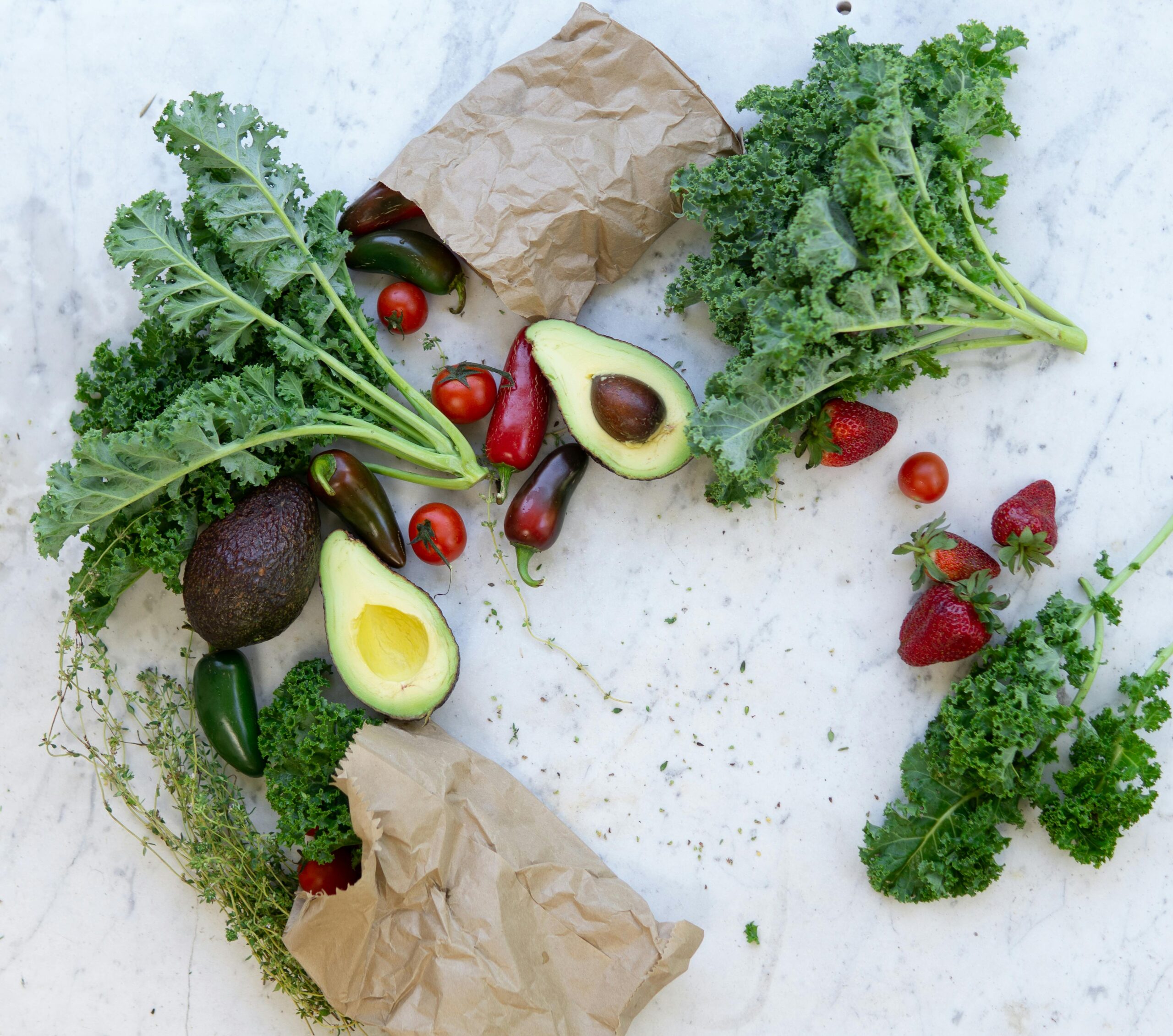
Top your tacos with lactose-free sour cream, fresh cilantro, lime juice, and small amounts of firm cheese. Salsa becomes low-FODMAP when you make it fresh with tomatoes, cilantro, lime, jalapeños, and the green parts of spring onions. Guacamole fits perfectly, as avocados are low-FODMAP in appropriate serving sizes.
American Comfort Food Classics Reinvented
The hearty comfort foods found at American restaurants can absolutely be enjoyed on a low-FODMAP diet with thoughtful modifications.
Burger Brilliance
A quality burger starts with pure ground beef seasoned simply with salt and pepper. Skip the onions, but add low-FODMAP toppings like lettuce, tomato, pickles, bacon, and cheddar cheese. Use gluten-free buns or lettuce wraps, and opt for mustard or homemade mayonnaise rather than ketchup, which often contains high-FODMAP sweeteners.
Fried Chicken and Comfort Sides
Achieve crispy fried chicken by coating pieces in a mixture of gluten-free flour and cornstarch, seasoned with paprika, salt, and pepper. The result rivals any restaurant version. Pair with low-FODMAP sides like regular potatoes (not sweet potatoes in large amounts), green beans, or a simple salad with oil and vinegar dressing.
Decoding Restaurant Menus When Dining Out 📋
While preparing low-FODMAP versions at home gives you complete control, you’ll inevitably dine out. Understanding how to navigate restaurant menus becomes an invaluable skill for maintaining your dietary needs while enjoying social dining experiences.
Look for dishes that feature simple preparations with recognizable ingredients. Grilled proteins with steamed vegetables and plain rice or potatoes often work well. Don’t hesitate to request modifications—most restaurants accommodate dietary requirements when asked politely. Request dishes without garlic and onion, ask for sauces on the side, and inquire about cooking oils and hidden ingredients.
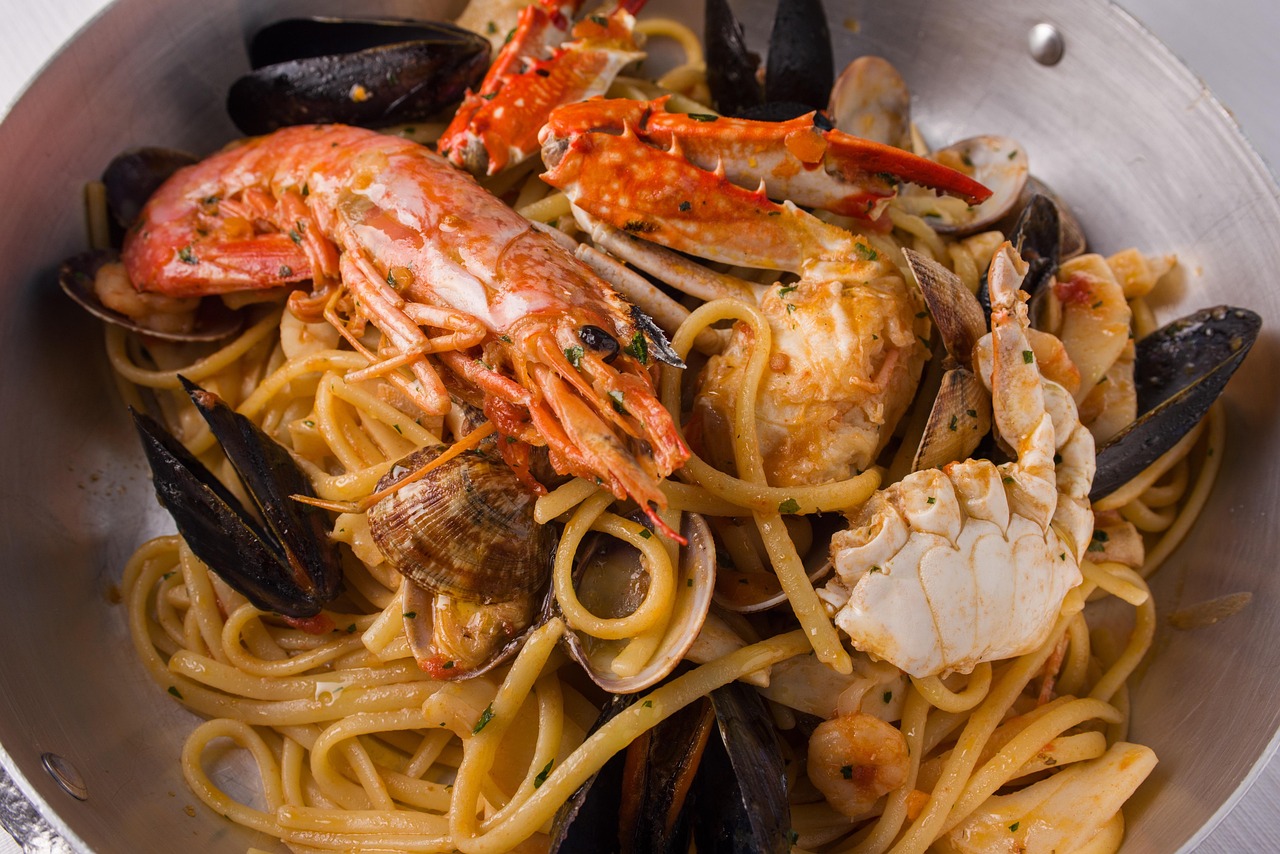
Steakhouses typically offer safe options, as do seafood restaurants where you can order grilled fish with plain preparations. Mediterranean restaurants may use significant amounts of garlic and onion, but often offer grilled meats and vegetable sides that can be prepared simply upon request.
Building Your Low-FODMAP Pantry for Restaurant-Style Cooking
Success in creating restaurant-quality low-FODMAP dishes at home starts with a well-stocked pantry. Having the right ingredients on hand makes meal preparation easier and more enjoyable.
Essential pantry items include garlic-infused olive oil, tamari or coconut aminos, gluten-free pasta and flour blends, canned tomatoes, rice noodles, and various herbs and spices. Keep lactose-free dairy products, firm cheeses in small amounts, and appropriate proteins in your refrigerator. Stock low-FODMAP vegetables like carrots, zucchini, bell peppers, spinach, and the green parts of spring onions.
Invest in quality condiments that are low-FODMAP, such as pure maple syrup, mustard, and vinegars. These building blocks allow you to recreate virtually any restaurant dish while maintaining digestive comfort.
Mastering Flavor Without High-FODMAP Ingredients 🌶️
One common concern when beginning a low-FODMAP diet is the fear of bland food, particularly since garlic and onion form the flavor foundation of so many cuisines. However, numerous techniques and ingredients deliver deep, complex flavors without digestive distress.
Garlic-infused oil provides garlic essence without the FODMAPs, as fructans don’t transfer into oil. Fresh herbs like basil, cilantro, parsley, and rosemary add brightness and depth. Spices including cumin, coriander, paprika, turmeric, and ginger create complex flavor profiles. The green parts of spring onions offer mild onion flavor, while asafoetida powder (hing), used in tiny amounts, mimics onion and garlic in Indian cooking.
Umami-rich ingredients like tomato paste, parmesan cheese, tamari, and nutritional yeast boost savory depth. Acids such as lemon juice, lime juice, and vinegars brighten dishes and enhance other flavors. Learning to layer these elements creates restaurant-quality depth in your low-FODMAP creations.
Desserts and Sweet Treats That Satisfy
Restaurant meals often conclude with dessert, and low-FODMAP sweet options can be just as indulgent as their traditional counterparts. Understanding which sweeteners and ingredients work within the diet opens up delicious possibilities.
Use maple syrup, glucose syrup, or small amounts of table sugar as sweeteners, avoiding honey, agave, and high-fructose corn syrup. Dark chocolate in moderate amounts is typically low-FODMAP and satisfies chocolate cravings beautifully. Create decadent desserts using gluten-free flour blends, lactose-free dairy or coconut cream, and low-FODMAP fruits like strawberries, blueberries, and oranges in appropriate portions.
Restaurant-style desserts like flourless chocolate cake, panna cotta made with lactose-free cream, or fruit sorbets can all be recreated at home. The key is understanding portion sizes and choosing ingredients carefully, as many low-FODMAP foods become high-FODMAP in larger quantities.
Meal Planning and Preparation Tips for Success
Creating restaurant-quality low-FODMAP meals regularly requires some planning and preparation. Batch cooking components on weekends saves time during busy weekdays while ensuring you always have compliant options available.
Prepare large batches of garlic-infused oil, cook extra portions of protein, and wash and chop low-FODMAP vegetables in advance. Store cooked rice, quinoa, or gluten-free pasta in the refrigerator for quick meal assembly. Make and freeze low-FODMAP sauces, broths, and bases that can transform simple ingredients into complex dishes quickly.
Keep a rotation of favorite restaurant-inspired recipes that you can prepare confidently. This prevents meal fatigue and ensures you’re excited about your food rather than feeling restricted. Document successful modifications and flavor combinations for future reference.
Embracing the Journey to Digestive Wellness 🌟
Transforming restaurant favorites into low-FODMAP creations represents more than just dietary modification—it’s an opportunity to develop a deeper understanding of food, flavor, and your body’s unique needs. While the initial learning curve may seem steep, the rewards extend far beyond symptom management.
You’ll likely discover that homemade versions of restaurant dishes often taste better and cost less than dining out regularly. The control over ingredients ensures not only FODMAP compliance but also eliminates excess sodium, unhealthy fats, and unnecessary additives common in restaurant cooking. Your cooking skills will improve dramatically as you learn to build flavors from scratch and adapt recipes creatively.
Most importantly, reclaiming the joy of eating without fear of digestive consequences profoundly impacts quality of life. Food becomes pleasurable again rather than anxiety-inducing. Social situations involving meals feel less stressful when you’re confident in your ability to make appropriate choices or recreate desired dishes at home.
The low-FODMAP diet isn’t meant to be permanent for most people—it’s typically followed in phases, with systematic reintroduction of foods to identify personal triggers. However, the cooking skills and recipe adaptations you develop during this time remain valuable tools for life. Even after completing the elimination and reintroduction phases, you may choose to continue preparing certain dishes in their low-FODMAP versions simply because you’ve discovered they taste better or make you feel better.
Remember that everyone’s digestive system is unique, and what triggers symptoms in one person may be perfectly tolerable for another. Working with a registered dietitian who specializes in digestive health ensures you’re following the diet correctly while meeting all nutritional needs. Professional guidance helps you navigate the complexities of the diet, interpret symptoms, and successfully reintroduce foods.
As you continue this journey, celebrate the victories—whether that’s successfully recreating your favorite restaurant dish, dining out without symptoms, or simply feeling more in control of your digestive health. Each low-FODMAP meal you prepare that delivers both flavor and comfort represents progress toward better wellbeing. The ability to transform restaurant favorites into delicious, gut-friendly creations empowers you to live fully without dietary restrictions dominating your life. With knowledge, creativity, and the right ingredients, every meal can be both satisfying and symptom-free.