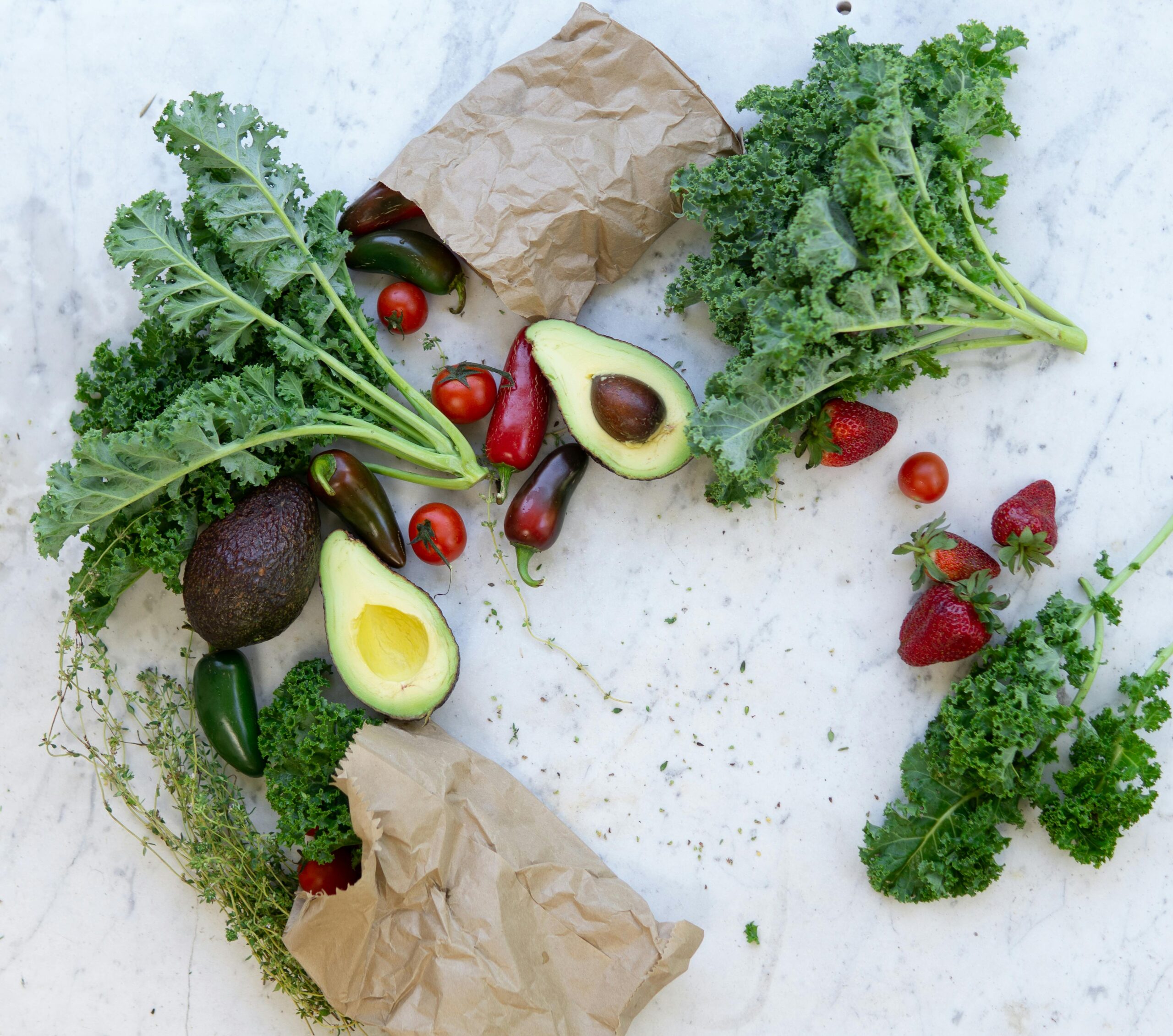
Living with digestive sensitivities doesn’t mean sacrificing flavor. Discovering delicious low-FODMAP sauces, dips, and dressings can transform your meals from bland to brilliant while keeping your gut happy.

For those following a low-FODMAP diet—whether managing IBS, SIBO, or other digestive conditions—navigating condiments and flavor enhancers can feel overwhelming. Traditional recipes often hide high-FODMAP ingredients like garlic, onion, honey, and certain dairy products that trigger uncomfortable symptoms. The good news? You can create restaurant-quality sauces that are both gut-friendly and incredibly delicious.
🌿 Understanding FODMAPs in Your Favorite Condiments
FODMAPs are short-chain carbohydrates that some people struggle to digest properly. These fermentable compounds can cause bloating, gas, abdominal pain, and altered bowel habits in sensitive individuals. While many commercial sauces and dressings seem innocent, they’re often loaded with hidden FODMAP triggers.
Common high-FODMAP culprits lurking in store-bought condiments include garlic powder, onion powder, high-fructose corn syrup, honey, apple cider vinegar (in large amounts), and certain dairy products. Even seemingly safe options like barbecue sauce or teriyaki glaze can contain problematic ingredients that disrupt digestive comfort.
Reading labels becomes essential when managing a low-FODMAP diet. Ingredients are listed in descending order by weight, so if garlic or onion appears within the first few items, that product likely contains enough to trigger symptoms. Understanding these hidden sources empowers you to make informed choices while shopping or dining out.
Building Your Low-FODMAP Flavor Arsenal 🧂
Creating delicious low-FODMAP sauces starts with knowing which ingredients are safe. Fortunately, there’s an impressive variety of gut-friendly options that deliver bold flavors without the digestive distress.
Safe Herbs and Spices
Fresh herbs like basil, cilantro, parsley, chives, and oregano add vibrant flavor without FODMAPs. Dried spices including cumin, paprika, turmeric, cinnamon, and black pepper are also safe choices. The key is avoiding garlic and onion powder blends, which dominate many spice mixes.
Garlic-infused oil provides that beloved garlic essence without the problematic fructans, since FODMAPs are water-soluble rather than fat-soluble. This clever workaround allows you to enjoy garlic flavor while protecting your digestive system. Simply heat oil with whole garlic cloves, then remove them before use.
Low-FODMAP Base Ingredients
Building blocks for gut-friendly sauces include lactose-free dairy products, firm tofu, tahini, rice vinegar, lemon juice, lime juice, maple syrup (in small amounts), and Dijon mustard. These ingredients provide creaminess, acidity, sweetness, and tang without triggering symptoms.
Mayonnaise made with egg yolks and oil is naturally low-FODMAP, making it an excellent base for creamy dressings and dips. Soy sauce and tamari (gluten-free soy sauce) are safe in typical serving sizes, perfect for Asian-inspired recipes. Tomato paste, canned tomatoes, and tomato sauce are also low-FODMAP options when used appropriately.
Spectacular Low-FODMAP Salad Dressings 🥗
Salad dressings often contain hidden FODMAPs, but homemade versions give you complete control over ingredients. These recipes prove that gut-friendly eating can be genuinely exciting.
Classic Lemon Herb Vinaigrette
This bright, versatile dressing works on everything from mixed greens to grilled vegetables. Whisk together three tablespoons of extra virgin olive oil, two tablespoons of lemon juice, one teaspoon of Dijon mustard, a pinch of salt, black pepper, and fresh chopped herbs like basil or parsley. The mustard acts as an emulsifier, keeping the dressing smooth and blended.
This vinaigrette stays fresh in the refrigerator for up to a week, making meal prep effortless. The beauty of this base recipe is its adaptability—swap lemon for lime, try different herb combinations, or add a small amount of maple syrup for subtle sweetness.
Creamy Caesar-Style Dressing
Traditional Caesar dressing relies heavily on garlic, but this low-FODMAP version delivers that same rich, savory taste. Blend half a cup of mayonnaise, two tablespoons of grated Parmesan cheese (which is low-FODMAP due to its low lactose content), one tablespoon of lemon juice, one teaspoon of Dijon mustard, one teaspoon of capers, two anchovies (optional but recommended), and black pepper to taste.
The anchovies and capers provide that umami depth typically achieved with garlic. This dressing transforms simple romaine lettuce into a satisfying meal and works beautifully as a dip for raw vegetables or grilled chicken.
Asian Ginger Sesame Dressing
Capture the essence of Asian cuisine with this vibrant dressing. Combine three tablespoons of rice vinegar, two tablespoons of sesame oil, one tablespoon of tamari or gluten-free soy sauce, one teaspoon of grated fresh ginger, one teaspoon of maple syrup, and a pinch of sesame seeds. This dressing brings excitement to basic salads and works as a marinade for proteins.
Fresh ginger is low-FODMAP in servings up to one teaspoon per meal, providing that distinctive zing without digestive consequences. The combination of toasted sesame oil and rice vinegar creates complexity that rivals any restaurant version.
Irresistible Low-FODMAP Dips for Every Occasion 🎉
Entertaining or snacking doesn’t require sacrificing your digestive health. These dips prove that flavor and gut-friendliness can coexist beautifully.
Roasted Red Pepper Dip
This vibrant dip brings Mediterranean flair to your table. Blend two roasted red peppers (from a jar or homemade), quarter cup of walnuts, two tablespoons of tomato paste, one tablespoon of lemon juice, one tablespoon of garlic-infused olive oil, half teaspoon of cumin, and salt to taste. The result is a smoky, slightly sweet dip perfect for rice crackers or vegetable sticks.
Walnuts are low-FODMAP in servings up to ten nuts per sitting, providing healthy fats and a creamy texture. This dip stores well in the refrigerator for up to five days and actually improves as the flavors meld together.
Herb and Chive Cream Cheese Spread
Transform lactose-free cream cheese into an elegant spread by mixing eight ounces of lactose-free cream cheese with two tablespoons of chopped fresh chives, one tablespoon of fresh dill, one tablespoon of fresh parsley, a squeeze of lemon juice, and salt and pepper to taste. This spread works beautifully on gluten-free crackers, cucumber rounds, or as a sandwich condiment.
The fresh herbs provide brightness and complexity without any FODMAP concerns. This recipe demonstrates how simple ingredients can create something special when combined thoughtfully.
Spicy Peanut Dipping Sauce
Satisfy your craving for bold flavors with this Thai-inspired sauce. Whisk together quarter cup of natural peanut butter, two tablespoons of lime juice, one tablespoon of tamari, one tablespoon of rice vinegar, one teaspoon of maple syrup, one teaspoon of grated ginger, and red pepper flakes to taste. Add water gradually until you reach desired consistency.
This versatile sauce works as a dip for spring rolls, a dressing for noodle salads, or a sauce for grilled proteins. Peanut butter is low-FODMAP in servings up to two tablespoons, making this an accessible option for most people following the diet.
Savory Low-FODMAP Sauces That Elevate Any Meal 🍝
The right sauce transforms simple proteins and vegetables into memorable meals. These low-FODMAP options deliver restaurant-quality results at home.
Simple Tomato Basil Marinara
Create a classic marinara without onion or garlic by sautéing two tablespoons of garlic-infused olive oil until fragrant. Add one can of crushed tomatoes, one tablespoon of tomato paste, fresh basil leaves, a pinch of sugar (to balance acidity), salt, pepper, and dried oregano. Simmer for twenty minutes until flavors concentrate.
This sauce freezes beautifully, so consider making a double batch for quick weeknight meals. Serve over gluten-free pasta, use as a pizza sauce, or employ as a braising liquid for chicken or fish.
Maple Mustard Glaze
This sweet and tangy glaze works wonderfully on salmon, chicken, or roasted vegetables. Mix quarter cup of Dijon mustard with two tablespoons of maple syrup, one tablespoon of rice vinegar, and a pinch of black pepper. Brush onto proteins before roasting or grilling for a caramelized finish.
The balance between mustard’s sharpness and maple’s sweetness creates a sophisticated flavor profile. This glaze can also be thinned with olive oil to create a unique salad dressing.
Chimichurri Sauce
This Argentine classic adapts perfectly to low-FODMAP requirements. Combine one cup of fresh parsley, quarter cup of fresh cilantro, quarter cup of olive oil, two tablespoons of red wine vinegar, one tablespoon of garlic-infused oil, half teaspoon of dried oregano, red pepper flakes, salt, and black pepper. Pulse in a food processor until finely chopped but not pureed.
Chimichurri brings vibrant freshness to grilled meats, fish, and vegetables. The herb-forward profile means you won’t miss the traditional garlic at all. This sauce tastes best when made a few hours ahead, allowing the flavors to marry.
Smart Shopping Tips for Low-FODMAP Condiments 🛒
When you don’t have time to make everything from scratch, knowing which store-bought options work for your diet saves time and stress.
Several brands now offer certified low-FODMAP products, including FODY Foods, which specializes in garlic-free and onion-free condiments like ketchup, barbecue sauce, and salsa. Reading ingredient labels carefully remains essential, even with seemingly simple products.
Look for plain mustards, vinegars (except apple cider vinegar in large amounts), and tamari or gluten-free soy sauce. Many hot sauces contain only peppers, vinegar, and salt—making them naturally low-FODMAP. Avoid products listing garlic, onion, honey, high-fructose corn syrup, or inulin near the beginning of ingredient lists.
When purchasing oils, choose garlic-infused versions specifically made for low-FODMAP diets, or make your own at home. Regular garlic oil sold in stores may contain garlic particles that include problematic fructans.
Meal Prep and Storage Strategies 📦
Making your own low-FODMAP sauces and dressings becomes sustainable when you incorporate smart preparation and storage habits.
Most homemade dressings stay fresh in the refrigerator for five to seven days when stored in airtight containers. Glass jars work particularly well since they don’t absorb odors or stains. Label containers with preparation dates to track freshness.
Many sauces freeze excellently in ice cube trays or small containers. Tomato-based sauces, pesto variations, and chimichurri all freeze well for up to three months. Thaw overnight in the refrigerator or add frozen directly to hot dishes.
Dedicate one afternoon per month to preparing a variety of sauces and dressings. Having options ready in your refrigerator makes following a low-FODMAP diet significantly easier and more enjoyable. Variety prevents boredom and helps ensure long-term dietary adherence.
Adapting Restaurant Favorites to Low-FODMAP Standards 🍽️
Recreating beloved restaurant sauces at home allows you to enjoy familiar flavors without digestive consequences. With creativity and the right substitutions, nearly any sauce can be adapted.
For ranch dressing, combine lactose-free buttermilk or lactose-free sour cheese thinned with a bit of lactose-free milk, mayonnaise, fresh chives, fresh dill, fresh parsley, a squeeze of lemon juice, salt, and black pepper. The herb combination mimics that classic ranch taste without onion or garlic powder.
Buffalo sauce enthusiasts can create their version by mixing hot sauce (check ingredients) with melted butter or garlic-infused oil. The traditional combination of Frank’s RedHot and butter is naturally low-FODMAP, making wings night entirely possible.
Thai peanut sauce, teriyaki glaze, and even “honey” mustard (using maple syrup instead) can all be successfully adapted. The key is understanding which ingredients create the signature flavor profiles and finding appropriate low-FODMAP substitutions.
Troubleshooting Common Low-FODMAP Sauce Challenges 🔧
Even experienced cooks encounter obstacles when adapting recipes. Understanding common challenges helps you navigate them successfully.
If your vinaigrette separates quickly, add a small amount of Dijon mustard or a pinch of xanthan gum as an emulsifier. These ingredients help oil and vinegar stay combined longer. Alternatively, shake or whisk vigorously just before serving.
When sauces taste flat without garlic and onion, increase other flavor dimensions through acidity (lemon juice, vinegar), umami (tamari, anchovies, Parmesan), or heat (ginger, pepper). Fresh herbs also provide complexity that compensates for missing aromatics.
If a sauce is too thick, thin gradually with water, stock, or additional oil depending on the recipe. If too thin, simmer uncovered to reduce liquid, or whisk in a small amount of arrowroot powder or cornstarch mixed with cold water first.
Expanding Your Low-FODMAP Flavor Horizons 🌍
Once you master basic low-FODMAP sauces, experimenting with global flavors keeps your meals exciting and varied.
Middle Eastern-inspired tahini sauce combines tahini paste with lemon juice, garlic-infused oil, cumin, and water until smooth and pourable. This versatile sauce works on grain bowls, roasted vegetables, or as a sandwich spread.
Italian salsa verde adapts beautifully to low-FODMAP requirements using parsley, capers, anchovies, lemon juice, and garlic-infused olive oil. This bright, herbaceous sauce transforms simple proteins into special meals.
Japanese-inspired miso glaze (using small amounts of miso paste, which is low-FODMAP in typical servings) combined with rice vinegar, tamari, ginger, and maple syrup creates an umami-rich coating for fish or tofu.
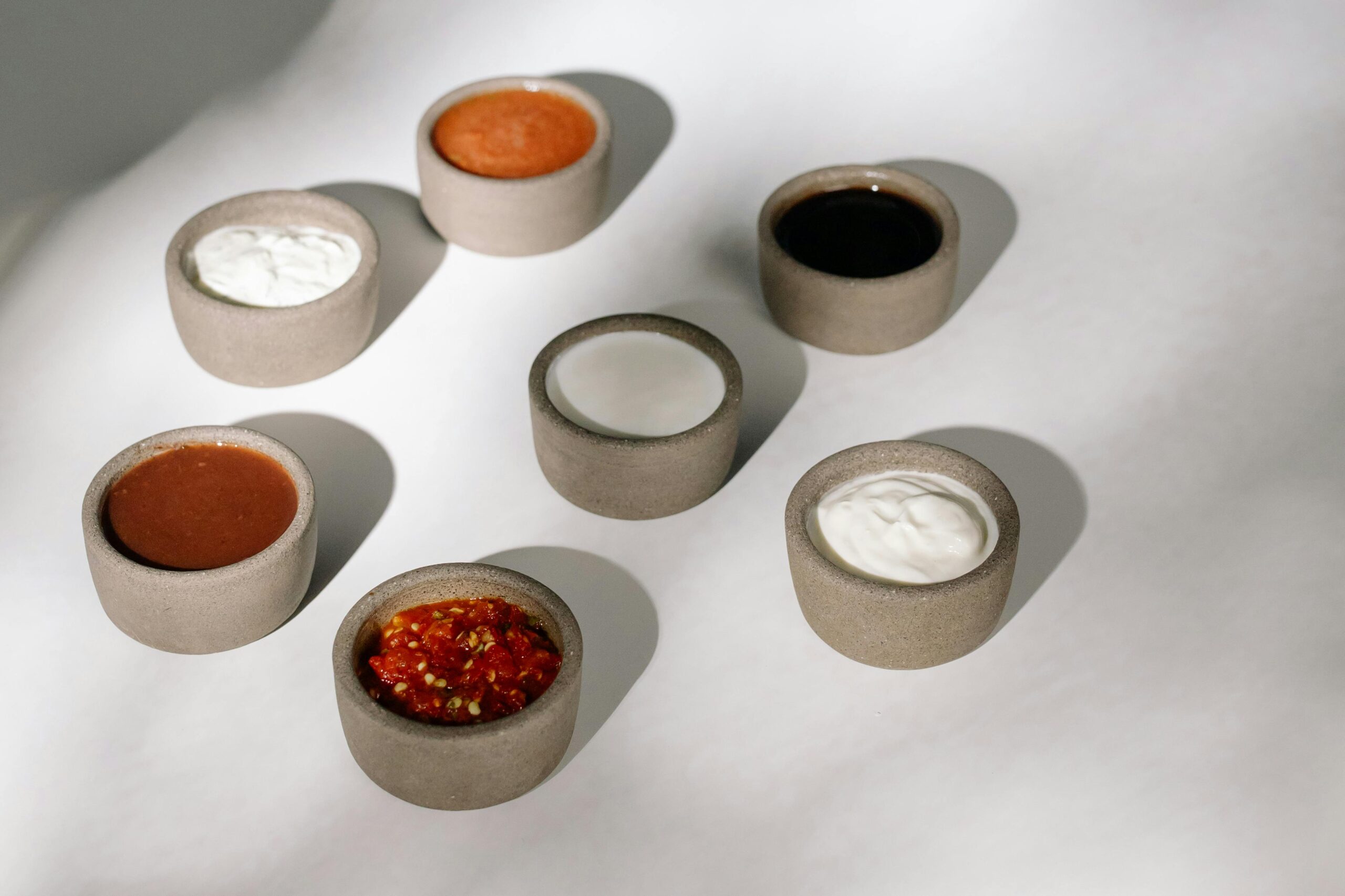
Making Low-FODMAP Eating Sustainable Long-Term ✨
Success with a low-FODMAP diet depends on creating sustainable systems that don’t feel restrictive or overwhelming. Flavorful sauces, dips, and dressings play a crucial role in this sustainability.
Rather than viewing the diet as a list of restrictions, focus on the abundant ingredients you can enjoy. The low-FODMAP approach typically comes in phases: elimination, reintroduction, and personalization. Not everyone reacts to all FODMAPs, so working with a registered dietitian helps identify your specific triggers.
Building a collection of go-to sauce recipes you genuinely love makes meal planning easier and more enjoyable. When food tastes delicious, adherence becomes natural rather than forced. Share recipes with family and friends so they understand your dietary needs and can support your journey.
Remember that managing digestive health through diet is an investment in your overall wellbeing. The time spent preparing gut-friendly sauces pays dividends in reduced symptoms, increased energy, and improved quality of life. With these flavorful options in your repertoire, you’ll never feel deprived or limited by your low-FODMAP lifestyle.
Embrace the creativity that comes with dietary modifications. Each successful recipe builds confidence and expands your culinary capabilities. The low-FODMAP diet doesn’t mean bland food—it means discovering new flavor combinations and appreciating how much better you feel when your gut is happy. Your taste buds and your digestive system can both be satisfied with the right approach to sauces, dips, and dressings.