Living with digestive sensitivities doesn’t mean sacrificing flavor or breaking the bank. The low-FODMAP diet can be surprisingly budget-friendly when you know the right substitutions and cooking techniques.

Many people assume that following a low-FODMAP eating plan requires expensive specialty products and complicated meal preparations. The truth is, with smart ingredient swaps and creative kitchen hacks, you can enjoy delicious versions of your favorite comfort foods without the digestive discomfort or financial strain. Whether you’re managing IBS, exploring gut-friendly eating, or simply looking to reduce bloating, these practical recipe transformations will revolutionize your approach to everyday cooking while keeping your wallet happy.
Understanding the Low-FODMAP Basics Without the Overwhelm 🧠
Before diving into recipe hacks, let’s quickly clarify what FODMAPs actually are. These fermentable carbohydrates—found in wheat, certain dairy products, onions, garlic, and various fruits and vegetables—can trigger digestive distress in sensitive individuals. The good news? Countless affordable, naturally low-FODMAP ingredients are probably already in your pantry.
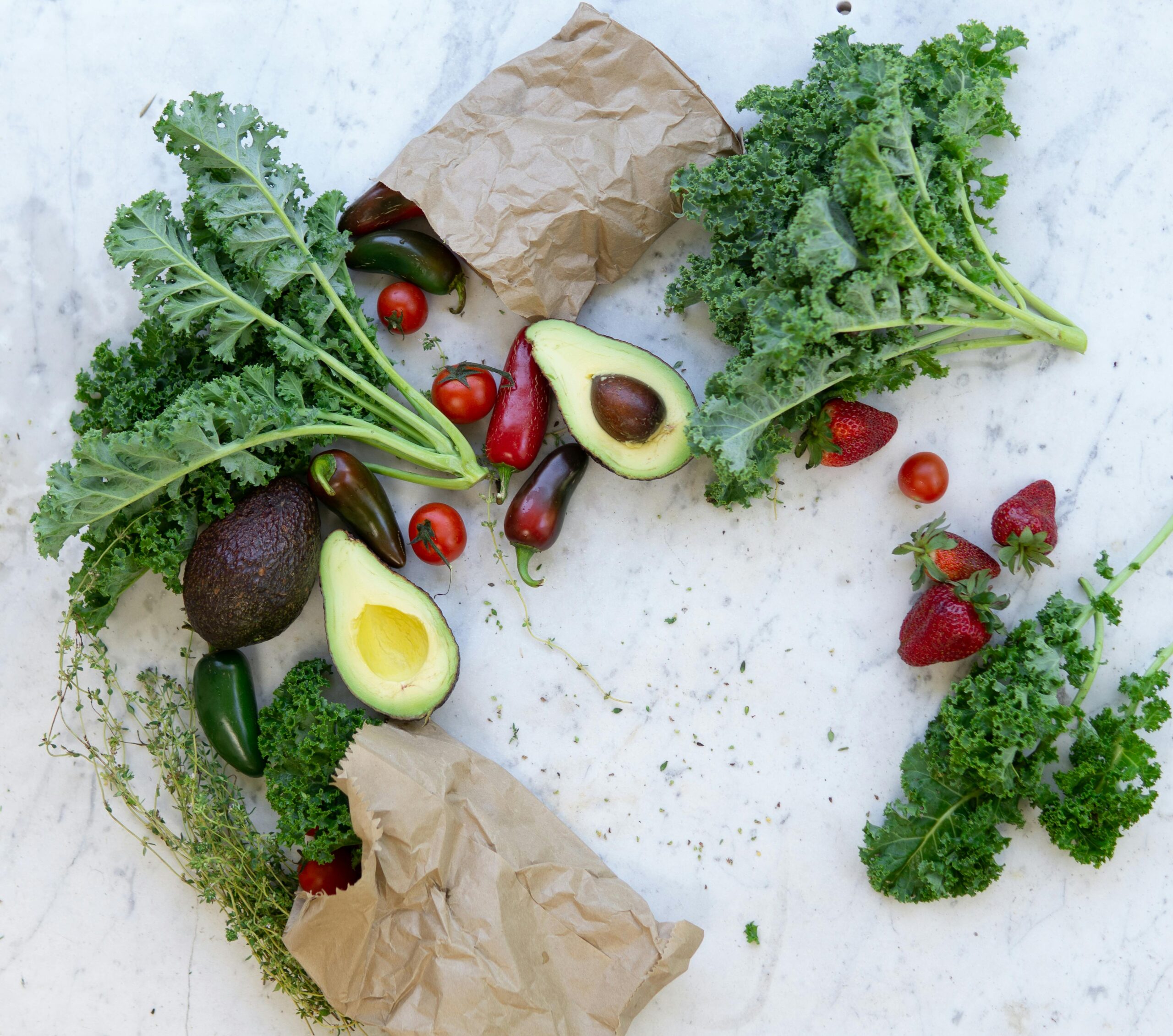
Rice, potatoes, carrots, bell peppers, spinach, eggs, most proteins, and lactose-free dairy products form an excellent foundation for budget-conscious cooking. Rather than viewing the low-FODMAP approach as restrictive, think of it as an opportunity to rediscover simple, whole-food ingredients that won’t upset your system or your budget.
The Flavor Foundation: Replacing Onion and Garlic Without Sacrifice
One of the biggest challenges when starting a low-FODMAP diet is learning to cook without onion and garlic—two staples that form the flavor base of countless recipes. Fortunately, several affordable alternatives deliver similar depth and complexity.
Garlic-infused oil is your secret weapon here. Make it yourself by gently heating olive oil with whole garlic cloves (the FODMAPs don’t transfer into the oil), then removing the solids. This creates a budget-friendly flavoring agent that lasts weeks in your refrigerator. A single bottle of oil and one garlic bulb can transform dozens of meals for just pennies per serving.
For onion replacement, the green tops of scallions (spring onions) provide that familiar bite without the FODMAP content. Chives, which cost very little when purchased as a growing plant, offer similar benefits and regrow continuously on your windowsill. Asafoetida powder, while initially seeming like a specialty ingredient, is incredibly economical—a tiny pinch provides powerful onion-garlic flavor, and one container lasts months.
Budget-Friendly Flavor Boosters
- Fresh ginger root: pennies per serving, adds warmth and complexity
- Lemongrass: affordable at Asian markets, freezes beautifully
- Fresh herbs like basil, cilantro, and parsley: grow your own for virtually no cost
- Smoked paprika: delivers depth that makes you forget about garlic
- Quality stock or broth: make your own from vegetable scraps and chicken bones
Transforming Pasta Dishes Into Low-FODMAP Comfort Food 🍝
Pasta lovers, rejoice! You don’t need expensive gluten-free alternatives to enjoy your favorite noodle dishes. Regular wheat pasta actually becomes low-FODMAP when consumed in controlled portions—about one cup of cooked pasta per serving. This means a standard box of pasta can still work within your diet and budget.
Alternatively, rice noodles offer an incredibly affordable option, often costing less than specialty gluten-free pastas. Asian markets typically stock these at fraction of supermarket prices. Rice itself can transform into “noodles” using a spiralizer or simple knife skills, turning budget-friendly basics into creative pasta alternatives.
For sauces, skip the jarred options that often contain onion and garlic. Instead, create a simple tomato sauce by sautéing canned tomatoes (the most economical option) with garlic-infused oil, fresh basil, and a pinch of sugar. A 28-ounce can of tomatoes costs roughly two dollars and makes enough sauce for multiple meals.
Quick Low-FODMAP Pasta Sauce Formula
Combine canned tomatoes, garlic-infused oil, dried oregano, salt, pepper, and a splash of balsamic vinegar. Simmer for 15 minutes, and you’ve created a restaurant-quality sauce for less than the cost of a coffee. Add budget proteins like canned tuna, eggs, or affordable chicken thighs for complete meals that cost under five dollars per serving.
Reimagining Bread and Baked Goods Without Breaking the Bank 🍞
Bread presents one of the trickiest low-FODMAP challenges, as commercial gluten-free options can be shockingly expensive. However, several budget-friendly strategies exist for getting your bread fix without digestive consequences.
Sourdough bread made with traditional fermentation becomes low-FODMAP because the fermentation process breaks down problematic carbohydrates. Many local bakeries sell sourdough at competitive prices, and making your own requires only flour, water, salt, and time—ingredients that cost virtually nothing.
Rice cakes, while simple, provide an extremely economical base for open-faced sandwiches and snacks. A package costs just a few dollars and contains dozens of servings. Top them creatively with peanut butter, lactose-free cream cheese, sliced turkey, or mashed avocado for satisfying mini-meals.
For homemade baking, combine affordable gluten-free flours strategically. Rice flour is typically the least expensive option, and when mixed with a small amount of tapioca starch (which goes a long way), it creates acceptable textures for muffins, pancakes, and quick breads. Adding mashed banana or canned pumpkin provides moisture and structure without expensive binding agents.
Budget-Conscious Protein Strategies That Support Gut Health 💪
Protein sources naturally contain no FODMAPs, making them safe choices across the board. The key is selecting affordable options and preparing them to maximize flavor without problematic ingredients.
Eggs remain the most economical protein available, offering endless preparation possibilities. A carton provides multiple meals at minimal cost. Canned tuna and salmon deliver omega-3 benefits at budget-friendly prices—watch for sales and stock up when prices drop.
Chicken thighs cost significantly less than breasts while offering superior flavor and moisture. They’re nearly impossible to overcook, making them beginner-friendly. Season them with low-FODMAP spices, roast them with safe vegetables, and use the leftover meat throughout the week in salads, stir-fries, and grain bowls.
Ground meat—whether beef, turkey, or chicken—stretches far when combined with rice, potatoes, or low-FODMAP vegetables. One pound can easily serve four people when prepared as a stir-fry or mixed into a vegetable-forward dish. Purchase larger quantities when on sale and freeze in portion-sized amounts.
Vegetable Victory: Maximizing Affordable Low-FODMAP Produce 🥕
Some of the most budget-friendly vegetables happen to be naturally low in FODMAPs. Carrots, potatoes, bell peppers, zucchini, green beans, and spinach are widely available, inexpensive, and incredibly versatile.
Purchase whatever’s in season and on sale, then build your meals around those items. Winter squash like butternut often goes on clearance after holidays—buy several, roast them, and freeze the flesh in portions for soups, sides, and pasta additions throughout the coming months.
Frozen vegetables deserve special mention as budget heroes. They’re picked at peak ripeness, often more nutritious than “fresh” produce that’s traveled long distances, and they eliminate waste since you use only what you need. Frozen spinach, green beans, bell peppers, and carrots typically cost less than a dollar per serving and require zero prep work.
Weekly Vegetable Strategy
Plan one weekly “prep session” where you wash, chop, and portion vegetables for the coming days. Store them properly (leafy greens in containers with paper towels, cut vegetables in airtight containers), and you’ll have grab-and-go ingredients that prevent expensive takeout temptations when time is tight.
Snack Smart: Low-FODMAP Treats That Won’t Empty Your Wallet 🥜
Snacking on a low-FODMAP diet doesn’t require pricey specialty bars and packaged goods. Simple, whole-food snacks cost pennies and satisfy completely.
Peanut butter on rice cakes, homemade popcorn (plain kernels are incredibly cheap), hard-boiled eggs, lactose-free yogurt with a handful of blueberries, a small banana, or carrot sticks with a homemade tahini dip all provide satisfying options without specialty-store prices.
Homemade granola using oats, peanut butter, maple syrup, and low-FODMAP nuts or seeds costs a fraction of store-bought varieties. Make a large batch on Sunday, and you’ve got two weeks of breakfast or snacking sorted for less than five dollars.
Dark chocolate (check labels for low-FODMAP serving sizes) offers an affordable treat that satisfies sweet cravings. Purchase larger bars and portion them yourself rather than buying individually wrapped pieces, which carry a significant price premium.
Meal Planning Magic: The Ultimate Money-Saving Tool 📅
Regardless of dietary approach, meal planning remains the single most effective strategy for reducing food costs while eating well. For low-FODMAP eating, planning becomes even more valuable because it prevents the panic purchases of expensive specialty products when you’re unprepared.
Dedicate 30 minutes weekly to planning meals around what’s on sale, what you already have, and what vegetables are in season. Build meals that share ingredients—if you’re buying fresh ginger for stir-fry, plan a soup or curry that also uses it, maximizing the ingredient before it spoils.
Batch cooking is your friend. Prepare large quantities of low-FODMAP staples like rice, quinoa, roasted vegetables, and proteins on a single day. These components become building blocks for quick meals throughout the week, preventing expensive convenience food purchases.
Sample Budget-Friendly Weekly Plan
| Day | Breakfast | Lunch | Dinner |
|---|---|---|---|
| Monday | Oatmeal with banana | Rice bowl with leftover chicken | Stir-fried vegetables with tofu |
| Tuesday | Scrambled eggs with spinach | Tuna salad on rice cakes | Baked chicken thighs with roasted carrots |
| Wednesday | Lactose-free yogurt with berries | Leftover chicken and vegetables | Rice noodles with peanut sauce |
Kitchen Equipment That Pays for Itself 🔪
While not strictly necessary, certain affordable kitchen tools dramatically expand your low-FODMAP cooking capabilities while saving money long-term.
A rice cooker (available for under thirty dollars) produces perfect grains with zero attention, freeing you to prepare other components. A basic slow cooker transforms cheap cuts of meat into tender, flavorful dishes while you’re at work. Both appliances last for years and quickly offset their initial cost through the convenience and money-saving meals they enable.
A vegetable spiralizer creates noodle alternatives from zucchini, carrots, and other affordable vegetables, offering pasta-like satisfaction without specialty products. These tools typically cost less than two packages of gluten-free pasta but provide unlimited noodle options.
Restaurant-Quality Dishes at Home-Cooking Prices 🌟
Many people spend unnecessarily on dining out because they believe certain dishes are too complicated to replicate at home. In reality, most restaurant favorites can be recreated using low-FODMAP modifications at a fraction of the cost.
Thai-inspired stir-fries require only garlic-infused oil, ginger, fish sauce (check labels—many are low-FODMAP), rice noodles, and whatever vegetables and proteins you have available. The total cost runs around four dollars per generous serving compared to fifteen dollars or more at restaurants.
Mexican-inspired bowls built on rice, seasoned ground meat, lettuce, tomatoes, and lactose-free cheese deliver the flavors you crave for pennies. Make your own taco seasoning from cumin, paprika, oregano, and chili powder rather than buying packets, and you’ll save money while controlling ingredients.
Japanese-style rice bowls topped with a fried egg, some sautéed vegetables, and a drizzle of low-FODMAP soy sauce create restaurant-worthy presentation for the cost of basic ingredients you likely already own.
Smart Shopping Strategies for Maximum Savings 🛒
Where and how you shop impacts your budget as much as what you buy. Ethnic grocery stores, particularly Asian and Latin American markets, offer many low-FODMAP staples—rice, rice noodles, fresh ginger, certain vegetables, and proteins—at significantly lower prices than mainstream supermarkets.
Buy shelf-stable items in bulk when on sale. Rice, canned tomatoes, oils, and gluten-free oats store indefinitely and represent significant savings when purchased in larger quantities during promotions. Stock your pantry during sales, and you’ll always have meal foundations available.
Don’t overlook store brands, which often cost 30-40% less than name brands for identical products. This particularly applies to basics like rice, canned goods, frozen vegetables, and dairy alternatives, where quality differences are minimal.
Shop your own pantry first before grocery runs. Many people accumulate ingredients they forget to use. Before purchasing anything new, check what’s already available and plan meals around existing inventory.
Turning Leftovers Into Completely Different Meals ♻️
Food waste represents one of the largest unnecessary expenses in most households. Developing skills to transform leftovers prevents waste while creating varied meals from minimal ingredients.
Leftover rice becomes fried rice, arancini, or rice pudding. Cooked chicken transforms into salad, soup, or stir-fry components. Roasted vegetables blend into soups, get tossed with pasta, or become frittata additions. This mindset shift—seeing leftovers as ingredients rather than repeating the same meal—dramatically reduces grocery spending.
Vegetable scraps shouldn’t hit the trash. Collect carrot tops, celery leaves, herb stems, and other trimmings in a freezer bag. When full, simmer them into homemade low-FODMAP stock that costs nothing but tastes infinitely better than boxed versions.
Building Your Low-FODMAP Pantry Gradually and Affordably
Creating a well-stocked low-FODMAP pantry doesn’t happen overnight, nor should it. Purchasing everything at once creates unnecessary financial pressure. Instead, add one or two items per shopping trip until you’ve built a solid foundation.
Start with versatile basics: rice, potatoes, eggs, canned tomatoes, olive oil, basic spices, and a protein source. These ingredients alone enable dozens of meal combinations. Each week, add something new—perhaps rice noodles one week, tahini the next, then lactose-free cheese.
Within a month or two, you’ll have accumulated a diverse pantry without the sticker shock of specialty-diet shopping. This gradual approach also allows you to discover what you actually use versus what seemed appealing but sits untouched.
Making Peace With Simple Meals and Finding Joy in Basics 🌾
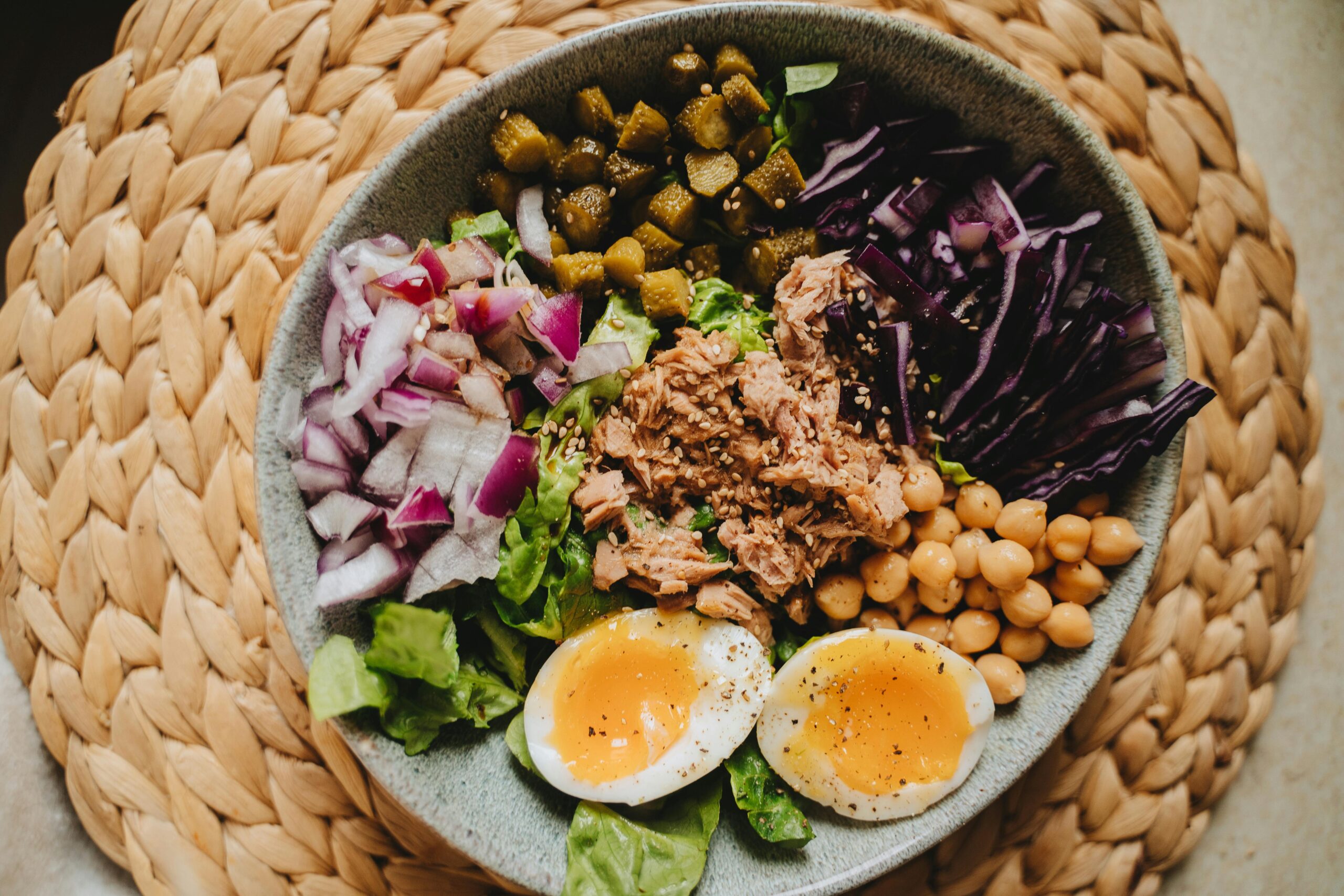
Perhaps the most valuable lesson from budget-friendly low-FODMAP cooking is rediscovering the satisfaction of simple, well-prepared food. A perfectly cooked egg on toast, a bowl of rice with sautéed vegetables, or roasted chicken with potatoes may lack Instagram drama, but they provide nourishment, comfort, and digestive peace.
These fundamental dishes cost remarkably little, take minimal time, and when prepared with care and good seasoning, deliver complete satisfaction. Learning to find contentment in simplicity rather than complexity serves both your budget and your wellbeing.
The low-FODMAP journey doesn’t require expensive specialty products, complicated recipes, or culinary expertise. It requires understanding which affordable, accessible ingredients work for your body and learning simple techniques to prepare them deliciously. Armed with smart substitutions, basic cooking skills, and strategic shopping habits, you can eat well, feel well, and spend well within any budget. Your digestive system and your bank account will thank you equally.