Modern life moves fast, and our eating habits often struggle to keep pace. Between meetings, errands, and endless to-do lists, we reach for whatever’s convenient—usually processed snacks that leave us unsatisfied and craving more.

The cycle of poor snacking choices doesn’t just affect our waistlines; it impacts energy levels, mood, and overall health. Understanding why we crave certain foods and having smart alternatives readily available can transform how we fuel our bodies throughout the day. This comprehensive guide explores practical solutions for conquering cravings and making nutritious choices even when time is scarce.
🧠 Understanding Your Food Triggers: The Science Behind Cravings
Food cravings aren’t simply about willpower—they’re complex physiological and psychological responses. When we understand what drives these urges, we can develop targeted strategies to manage them effectively.
Stress triggers the release of cortisol, which increases appetite and makes us reach for comfort foods high in sugar and fat. Sleep deprivation disrupts hormones like ghrelin and leptin, which regulate hunger and satiety. Even dehydration can masquerade as hunger, sending false signals that prompt unnecessary snacking.
Common Craving Categories and What They Signal
Sweet cravings often indicate blood sugar fluctuations or energy deficits. Your body seeks quick fuel, but refined sugars create a vicious cycle of spikes and crashes. Salty cravings might suggest mineral deficiencies, particularly sodium, magnesium, or chloride. Some research also links salt cravings to stress and adrenal fatigue.
Crunchy food desires frequently stem from stress or pent-up tension—the act of chewing provides a physical release. Creamy, rich food cravings often connect to emotional needs for comfort and satisfaction, particularly during periods of stress or sadness.
🎯 Building Your Smart Snacking Strategy
Success with healthy snacking requires preparation and intentionality. Waiting until you’re ravenously hungry to decide what to eat almost guarantees poor choices. Instead, develop a systematic approach that removes decision fatigue from the equation.
Start by identifying your personal trigger times—those moments when cravings hit hardest. For many people, this occurs mid-afternoon between lunch and dinner, or late evening while relaxing. Others struggle most during commutes or when working under deadline pressure.
The Three-Pillar Approach to Satisfying Snacks
Every effective snack should incorporate protein, fiber, and healthy fats. This combination slows digestion, stabilizes blood sugar, and provides sustained energy. Protein satisfies hunger and preserves muscle mass. Fiber adds bulk and feeds beneficial gut bacteria. Healthy fats enhance nutrient absorption and create lasting fullness.
Aim for snacks containing 150-250 calories with at least 5 grams of protein and 3 grams of fiber. This range provides substantial nutrition without overloading on calories that could interfere with main meals.
🥜 Portable Protein Powerhouses for Busy Schedules
Protein-rich snacks combat cravings more effectively than carbohydrate-heavy options. They trigger satiety hormones and prevent the blood sugar rollercoaster that leads to continuous snacking.
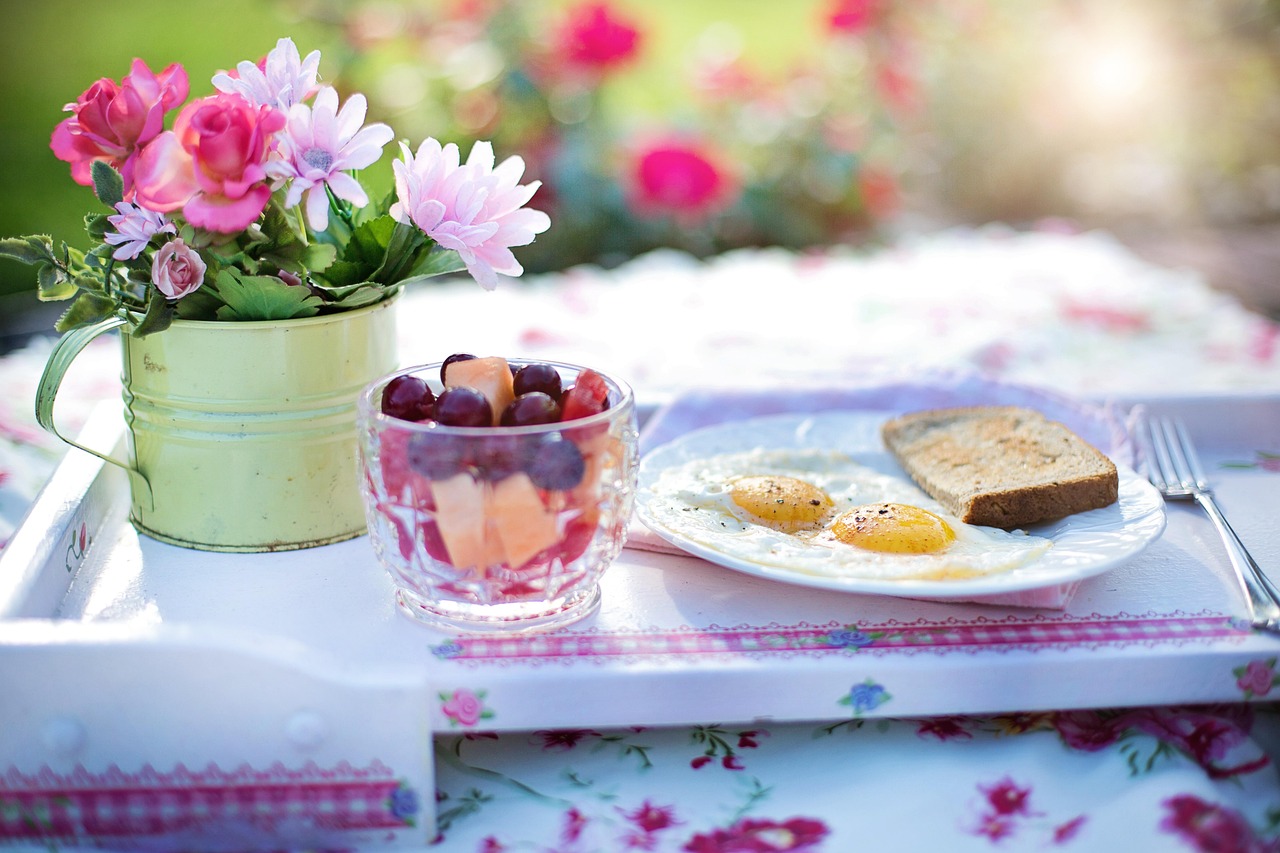
Hard-boiled eggs are nature’s perfect portable protein, containing all essential amino acids plus vitamins D and B12. Prepare a batch on Sunday and keep them refrigerated for grab-and-go convenience throughout the week. Pair with a small piece of fruit or cherry tomatoes for added nutrients.
Greek yogurt delivers nearly double the protein of regular yogurt. Choose plain varieties to avoid added sugars, then customize with berries, nuts, or a drizzle of honey. Single-serve containers fit easily in work bags with an ice pack.
Plant-Based Protein Options
Roasted chickpeas provide satisfying crunch along with protein and fiber. Make them at home by tossing drained chickpeas with olive oil and spices, then roasting at 400°F for 30-40 minutes. Store in an airtight container for up to a week.
Edamame pods offer complete protein in a fun-to-eat format. Many grocery stores sell pre-steamed packages that require only brief microwaving. Sprinkle with sea salt or everything bagel seasoning for extra flavor.
Nut butter packets have revolutionized portable protein snacking. Single-serve pouches of almond, peanut, or cashew butter pair perfectly with apple slices, celery sticks, or whole-grain crackers. Look for varieties with minimal ingredients—just nuts and perhaps salt.
🥕 Veggie-Forward Snacks That Actually Satisfy
Vegetables often get overlooked as snack foods, yet they provide exceptional nutrition with minimal calories. The key is making them convenient and appealing enough to choose over processed alternatives.
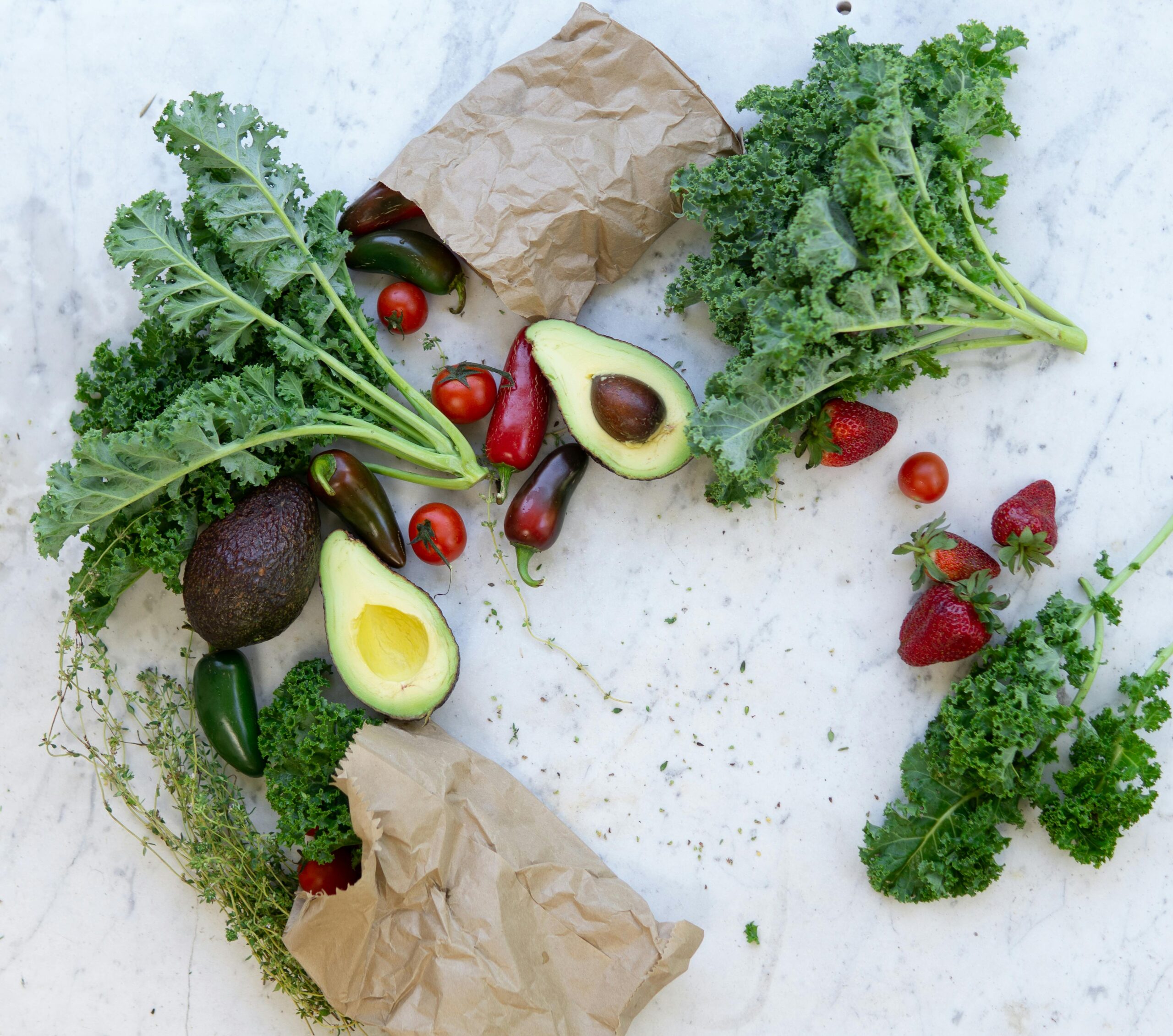
Prep vegetables immediately after grocery shopping. Wash, cut, and portion carrots, bell peppers, cucumber, celery, and cherry tomatoes into grab-and-go containers. When hunger strikes, these ready-to-eat options become the path of least resistance.
Dips and Spreads That Transform Vegetables
Hummus transforms raw vegetables into satisfying snacks. This chickpea-based spread delivers protein, fiber, and healthy fats. Traditional hummus flavors like roasted red pepper or garlic add variety, while newer options like buffalo or dessert hummus provide adventurous alternatives.
Guacamole provides heart-healthy monounsaturated fats that enhance nutrient absorption from vegetables. Pre-portioned cups prevent overindulgence while maintaining freshness. The combination of avocados with vegetables creates a nutritionally complete snack.
Tzatziki offers a protein-rich, refreshing option made from Greek yogurt, cucumber, and herbs. Its tangy flavor pairs beautifully with bell peppers, carrots, and cherry tomatoes. The probiotics in yogurt support digestive health as an added bonus.
🌰 Nuts and Seeds: Small Packages, Big Nutrition
Nuts and seeds concentrate impressive nutrition into tiny packages. They provide protein, healthy fats, fiber, vitamins, and minerals—making them ideal for combating various cravings simultaneously.
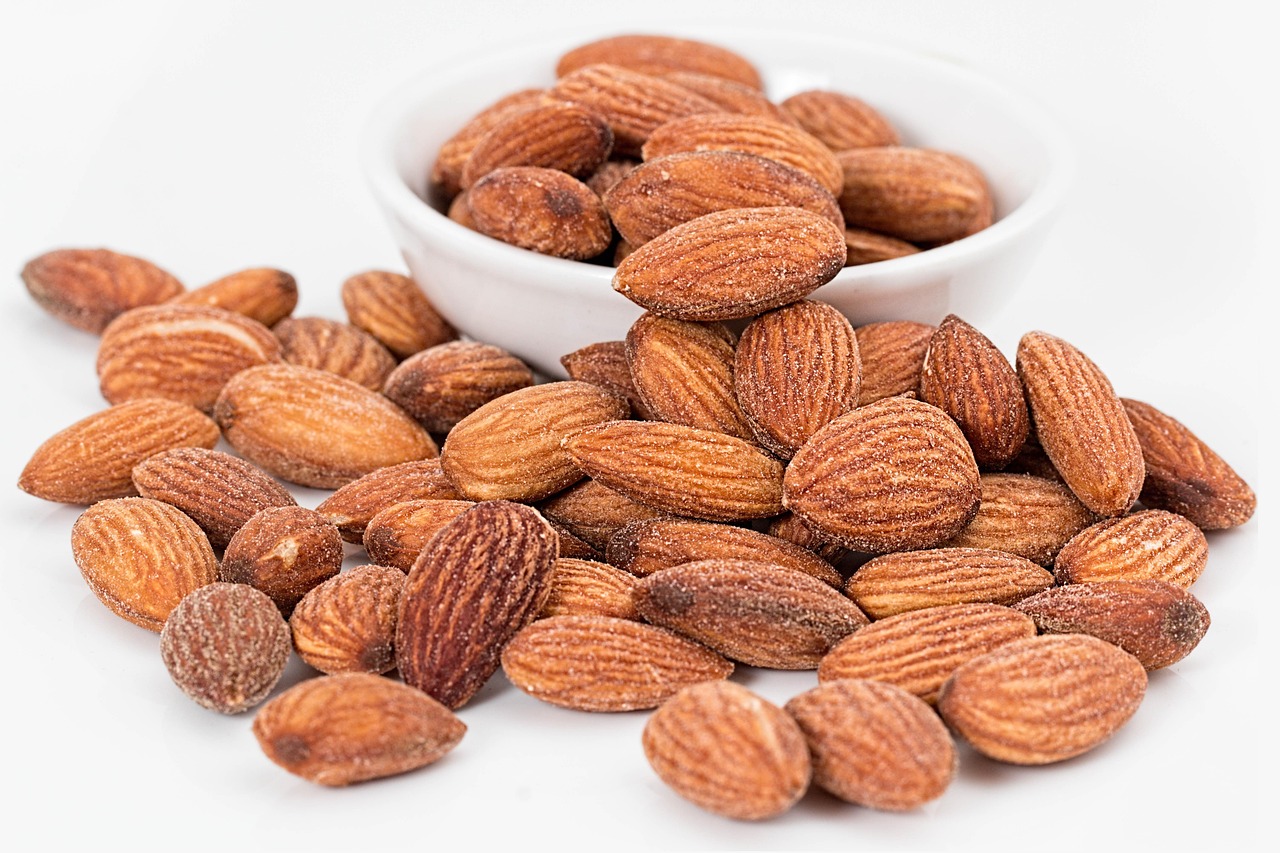
Pre-portion nuts into small containers or bags containing about 1/4 cup or one ounce. This prevents mindless overeating while ensuring you have perfectly sized snacks ready. Mix different varieties to benefit from varied nutrient profiles and prevent flavor boredom.
Strategic Nut Combinations for Different Needs
For sustained energy, combine almonds and dried apricots. Almonds provide protein and vitamin E, while apricots offer natural sweetness and iron. This pairing stabilizes blood sugar better than candy while satisfying sweet cravings.
When seeking stress relief, try walnuts with dark chocolate chips. Walnuts contain omega-3 fatty acids that support brain health and mood regulation. Dark chocolate provides antioxidants and a touch of indulgence that satisfies emotional eating urges.
For afternoon slumps, mix cashews with pumpkin seeds. Cashews supply iron and zinc for energy production, while pumpkin seeds provide magnesium—a mineral that combats fatigue and supports hundreds of enzymatic reactions.
🍎 Fruit-Based Solutions for Sweet Cravings
When sweet cravings hit, fruit provides natural sugars along with fiber, vitamins, and antioxidants that processed sweets lack. The fiber content slows sugar absorption, preventing the crash that follows candy consumption.
Apples rank among the most portable fruits, requiring no refrigeration or preparation. Their satisfying crunch addresses texture cravings while pectin fiber promotes fullness. Pair apple slices with nut butter or cheese for added protein and staying power.
Berries deliver maximum nutrition with minimal sugar impact. Blueberries, strawberries, and raspberries provide antioxidants that combat inflammation and support cognitive function. Fresh berries shine during peak season, while frozen varieties offer year-round convenience and cost savings.
Dried Fruit: Benefits and Cautions
Dried fruits concentrate natural sugars, making portion control essential. A small handful provides quick energy, but excessive amounts can spike blood sugar similarly to candy. Choose unsweetened varieties without added sugars, and pair with nuts or cheese to balance the sugar content.
Dates stuffed with almond butter create a naturally sweet treat that feels indulgent while providing genuine nutrition. Dried mango or pineapple satisfies tropical fruit cravings when fresh options aren’t available. Dried apples and cinnamon make an excellent fall-inspired snack.
🥤 Beverages That Curb Cravings
Sometimes what we interpret as hunger is actually thirst. Strategic beverage choices can prevent unnecessary snacking while providing hydration and nutrients.
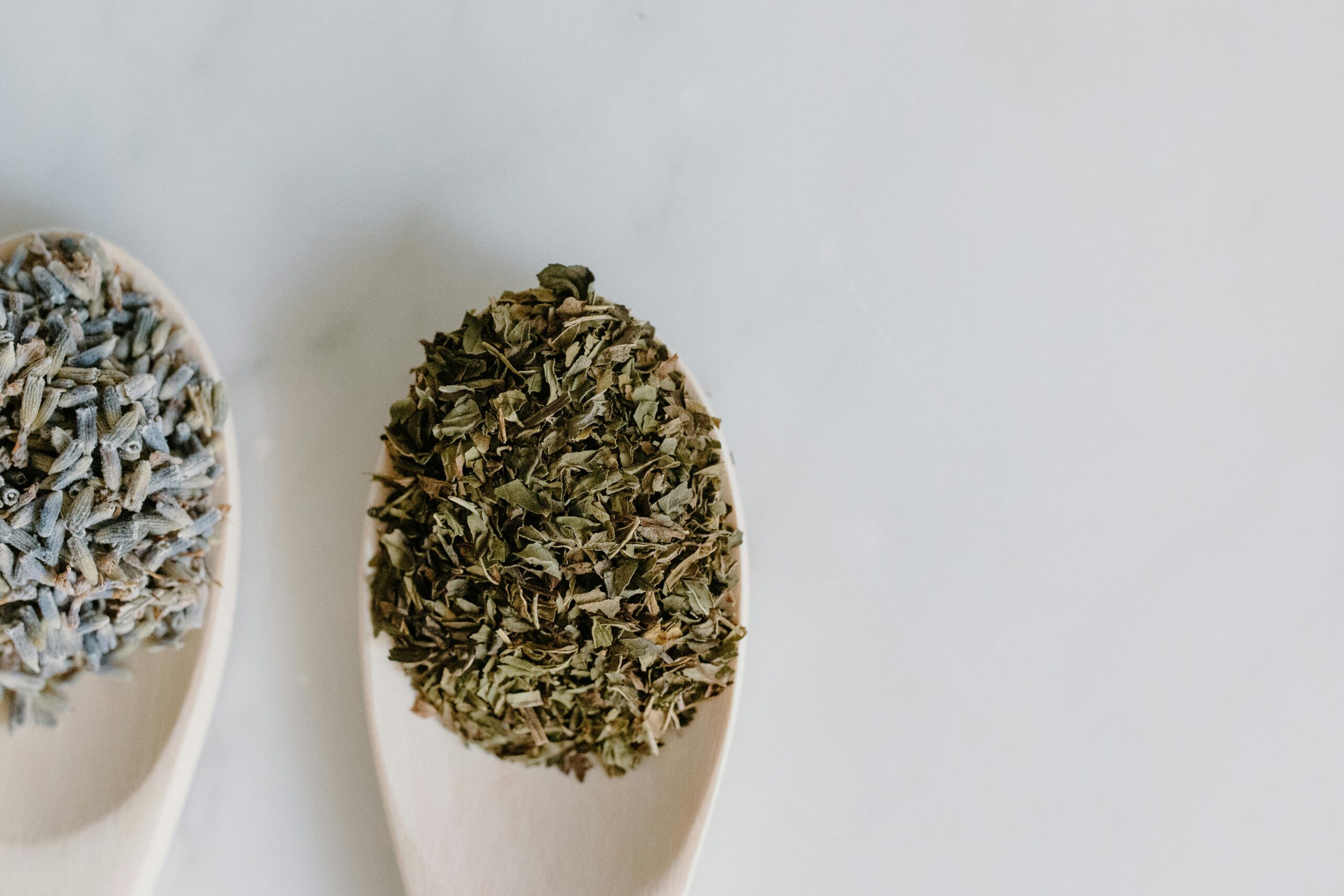
Herbal teas offer zero-calorie satisfaction in countless flavors. Peppermint tea specifically helps reduce food cravings and supports digestion. Chamomile provides calming effects that address stress-related eating. Fruit-flavored teas deliver sweetness without sugar.
Green smoothies pack vegetables and fruits into drinkable form. Blend spinach or kale with frozen banana, berries, and protein powder for a nutrient-dense option. Add avocado or nut butter for healthy fats that extend satiety. Prepare smoothie ingredient packs in advance by portioning ingredients into freezer bags for quick blending.
Protein Shakes for On-the-Go Nutrition
Quality protein powders mixed with water or milk create instant portable nutrition. Choose varieties with minimal ingredients and no artificial sweeteners. Whey protein digests quickly, making it ideal post-workout. Plant-based options like pea or hemp protein suit vegan lifestyles and provide additional fiber.
Ready-to-drink protein shakes eliminate preparation entirely. Keep shelf-stable options in your car, office desk, or gym bag for emergency nutrition. Check labels carefully—many commercial varieties contain excessive sugars that undermine their benefits.
🍿 Whole Grain Options for Carbohydrate Cravings
Carbohydrate cravings often signal serotonin needs—this neurotransmitter influences mood and requires carbohydrates for production. Rather than fighting these cravings, satisfy them strategically with whole grains that provide sustained energy.
Air-popped popcorn offers surprising nutrition—it’s a whole grain providing fiber and antioxidants. Three cups contains only about 100 calories, making it volume-friendly for those who enjoy larger snack portions. Season with nutritional yeast for a cheesy flavor plus B-vitamins, or try cinnamon and a touch of honey for sweetness.
Whole grain crackers paired with cheese create a balanced snack providing carbohydrates, protein, and fat. Choose crackers listing whole grains first on the ingredient list, with at least 3 grams of fiber per serving. Avoid varieties with partially hydrogenated oils or high sodium content.
Rice Cakes: Versatile and Customizable
Rice cakes serve as blank canvases for creative toppings. Spread with mashed avocado and everything bagel seasoning for a savory option. Top with cottage cheese and sliced strawberries for protein-rich sweetness. Nut butter and banana slices create a classic combination that satisfies multiple craving types.
Look for brown rice or multi-grain varieties rather than plain white rice cakes for enhanced nutrition. The subtle flavor allows toppings to shine while providing satisfying crunch.
📱 Technology Tools for Snacking Success
Modern apps help track eating patterns, identify triggers, and maintain accountability. These digital solutions complement physical preparation strategies for comprehensive craving management.
Food tracking apps reveal patterns you might not consciously recognize. By logging snacks along with emotions and circumstances, you’ll identify specific triggers—like certain meetings, people, or times of day—that prompt poor choices. This awareness enables proactive planning.
Meal planning apps help organize shopping lists and prep schedules, ensuring healthy options stay stocked. Some apps provide recipes specifically for portable snacks, expanding your repertoire beyond the same few options.
🛒 Smart Shopping Strategies for Snack Success
Your snacking success begins in the grocery store. What you purchase determines what’s available when cravings strike. Strategic shopping prevents last-minute convenience store runs that rarely yield healthy choices.
Shop the perimeter first, where fresh produce, dairy, and proteins reside. Fill your cart with whole foods before venturing into center aisles where processed snacks dominate. This approach naturally prioritizes nutritious options.
Reading Labels Like a Pro
Ingredient lists reveal more than nutrition facts panels. Choose products with recognizable, pronounceable ingredients—ideally five or fewer. When sugar appears among the first three ingredients, that product prioritizes sweetness over nutrition.
Check serving sizes carefully, as manufacturers sometimes make portions unrealistically small to improve nutritional appearance. A package containing 2.5 servings likely gets consumed in one sitting, so calculate actual nutritional content accordingly.
Avoid products with partially hydrogenated oils (trans fats), high-fructose corn syrup, or excessive sodium. These ingredients contribute to inflammation, blood sugar problems, and cardiovascular issues over time.
🎒 Building Your Portable Snack Kit
Creating a snack kit eliminates excuses and removes barriers to healthy choices. This portable nutrition insurance travels with you, ensuring good options are always within reach.
Invest in quality storage containers that seal securely and fit easily in bags. Divided containers keep different snack components separated until consumption time. Insulated bags with ice packs extend freshness for items requiring refrigeration.
Essential Components of Every Snack Kit
Include shelf-stable proteins like nut butter packets, jerky, or protein bars. Add fresh fruits that travel well—apples, oranges, bananas, or grapes. Pack cut vegetables with individual hummus or guacamole cups. Include nuts or trail mix in pre-portioned amounts.
Don’t forget napkins, utensils, and a small cutting tool if needed. These accessories transform snacking from potentially messy or inconvenient to effortlessly manageable anywhere.
💪 Overcoming Common Obstacles to Smart Snacking
Even with preparation, obstacles arise. Anticipating challenges and developing specific solutions increases long-term success rates dramatically.
Budget concerns often discourage healthy snacking, as fresh produce and quality proteins cost more than processed alternatives. However, preparation dramatically reduces costs—making your own trail mix, roasting chickpeas, and cutting your own vegetables saves substantially compared to pre-packaged versions.
Time Management for Busy Schedules
Lack of time represents the most common barrier to healthy eating. Dedicate one weekly prep session to washing, cutting, and portioning snacks for the entire week. This two-hour investment prevents countless poor decisions during hectic days.
Batch cooking on weekends creates ready-to-eat options requiring zero daily effort. Boil eggs, roast chickpeas, prepare overnight oats, and assemble snack bags during one focused session. This front-loaded effort eliminates daily decision-making and preparation.
🌟 Creating Sustainable Snacking Habits
The ultimate goal isn’t perfection—it’s developing sustainable habits that support long-term health without requiring constant willpower. Smart snacking becomes effortless when healthy choices become automatic responses to hunger.
Start with one or two snack improvements rather than overhauling everything simultaneously. Replace your afternoon vending machine visit with prepared vegetables and hummus. Swap evening chips with air-popped popcorn. Small, consistent changes create lasting transformation more effectively than dramatic overhauls that prove unsustainable.
Track your progress and celebrate victories, no matter how small. Each healthy snack choice reinforces positive patterns and builds momentum toward your goals. Over time, nutritious options become preferences rather than sacrifices, making healthy eating feel natural rather than restrictive.
Remember that occasional indulgences fit into balanced eating patterns. Rigidity creates deprivation that often leads to binge cycles. Enjoying treats mindfully and occasionally prevents feelings of restriction while maintaining overall nutritional quality. The goal is progress, not perfection—choosing smart snacks most of the time while allowing flexibility for life’s special moments.