Living with IBS doesn’t mean you have to give up sweetness forever. Finding the right sweeteners can transform your relationship with food while keeping your digestive system happy and comfortable.

For millions of people managing Irritable Bowel Syndrome, navigating the world of sweeteners feels like walking through a minefield. One wrong choice can trigger hours of discomfort, bloating, and digestive distress. The good news? With the right knowledge and strategic swaps, you can enjoy delicious sweet treats without paying the painful price afterward.
🍯 Understanding Why Traditional Sweeteners Trigger IBS Symptoms
Before diving into the best alternatives, it’s essential to understand why certain sweeteners wreak havoc on sensitive digestive systems. The culprit often lies in a group of carbohydrates known as FODMAPs—Fermentable Oligosaccharides, Disaccharides, Monosaccharides, and Polyols.
These compounds are poorly absorbed in the small intestine and become food for gut bacteria. When bacteria ferment these carbohydrates, they produce gas, draw water into the intestines, and trigger the characteristic IBS symptoms: cramping, bloating, diarrhea, or constipation.
Common high-FODMAP sweeteners include honey, agave nectar, high-fructose corn syrup, and many sugar alcohols ending in “-ol” like sorbitol, mannitol, and xylitol. Even natural options like coconut sugar and dates can be problematic for IBS sufferers.
✅ The Low-FODMAP Sweetener Champions
Not all sweeteners are created equal when it comes to IBS management. Several options have been scientifically validated as low-FODMAP and safe for most people with digestive sensitivities.
Pure Maple Syrup: Nature’s IBS-Friendly Gift
Pure maple syrup stands out as one of the most tolerable natural sweeteners for IBS sufferers. Unlike honey or agave, it’s low in FODMAPs and provides a rich, complex sweetness that enhances both baked goods and beverages.
The key is moderation—stick to about one tablespoon per serving. Pure maple syrup also contains beneficial antioxidants and minerals like manganese and zinc, making it a nutritionally superior choice compared to refined sugar.
White Table Sugar: Sometimes Simple Is Best
While it might seem counterintuitive, regular white sugar (sucrose) is actually low-FODMAP and well-tolerated by most IBS patients. Unlike complex sweeteners, sucrose is efficiently broken down and absorbed in the small intestine before reaching the colon where fermentation occurs.
Brown sugar and powdered sugar are equally safe options. The primary concern with these sweeteners is nutritional rather than digestive—they provide empty calories without beneficial nutrients, so portion control remains important for overall health.
Stevia: The Zero-Calorie Solution 🌿
Stevia, derived from the leaves of the Stevia rebaudiana plant, offers intense sweetness without calories or FODMAPs. It’s considered safe for IBS sufferers and doesn’t trigger the fermentation process that causes symptoms.
The challenge with stevia lies in its taste profile—some people detect a bitter or licorice-like aftertaste. Experimenting with different brands and formulations can help you find one that suits your palate. Look for pure stevia extract rather than blends containing other sweeteners.
Glucose (Dextrose): The Gentle Sweetener
Pure glucose or dextrose is rapidly absorbed in the small intestine, making it one of the gentlest options for sensitive stomachs. It’s less sweet than table sugar, so you’ll need slightly more to achieve the same level of sweetness.
Glucose is particularly useful in homemade sports drinks or energy supplements for IBS athletes who need quick fuel without digestive complications.
⚠️ Sweeteners to Avoid When Managing IBS
Knowing what to avoid is just as important as knowing what to choose. These sweeteners consistently trigger symptoms in IBS patients and should be eliminated or significantly limited.
The Honey Trap
Despite its natural origins and health halo, honey is high in fructose and classified as high-FODMAP. Many IBS sufferers experience significant symptoms after consuming even small amounts. The same applies to agave nectar, which has an even higher fructose content than honey.
Sugar Alcohols: The Hidden Troublemakers
Polyol sweeteners like sorbitol, mannitol, xylitol, and maltitol are notorious IBS triggers. These compounds are found in sugar-free gums, candies, and “diet” products. They’re poorly absorbed and draw water into the intestines while fermenting, creating the perfect storm for digestive distress.
Even erythritol, often touted as the most tolerable sugar alcohol, can cause problems in larger quantities. If you choose to use it, start with very small amounts and monitor your response carefully.
High-Fructose Corn Syrup and Fruit Concentrates
These sweeteners contain excess fructose that overwhelms the small intestine’s absorption capacity. The unabsorbed fructose travels to the colon, where it becomes fuel for bacteria and triggers fermentation symptoms.
Check ingredient labels carefully—high-fructose corn syrup hides in countless processed foods, from bread to salad dressings.
🔄 Making Strategic Swaps in Your Favorite Recipes
Transitioning to IBS-friendly sweeteners doesn’t mean sacrificing flavor or texture. Understanding conversion ratios and adjusting techniques ensures baking success.
Baking Conversions Made Simple
When replacing honey or agave with maple syrup in recipes, use a 1:1 ratio. However, reduce other liquids in the recipe by about 2 tablespoons per cup of maple syrup used, as it has higher water content than granulated sugar.
If substituting white sugar for maple syrup, use ¾ cup sugar plus 3 tablespoons liquid for every cup of maple syrup. Add the liquid to your wet ingredients to maintain proper batter consistency.
Stevia conversions require more attention since it’s significantly sweeter than sugar. Generally, 1 teaspoon of stevia powder or liquid equals 1 cup of sugar, but this varies by brand. Start conservatively and adjust to taste.
Beverage Sweetening Strategies ☕
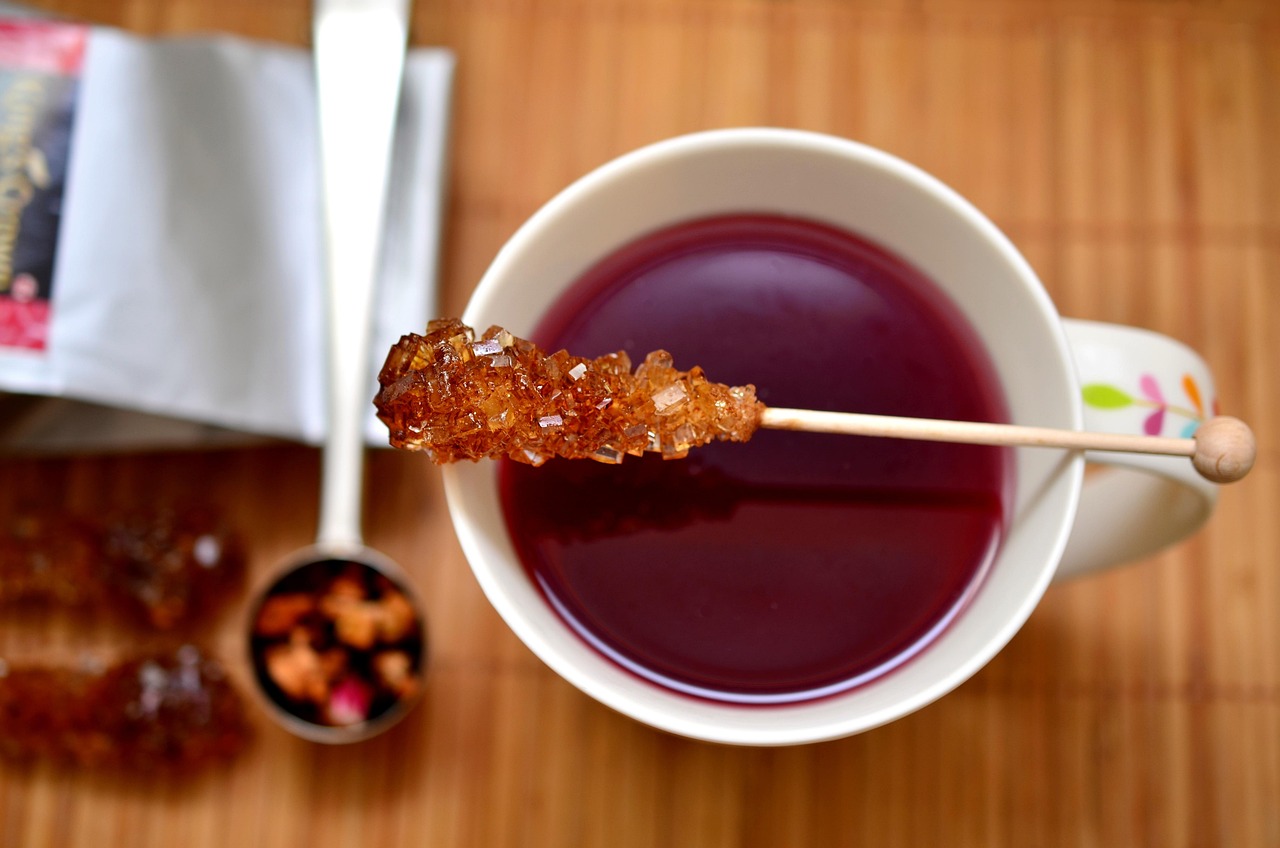
Coffee and tea drinkers can easily swap problematic sweeteners for IBS-friendly alternatives. A teaspoon of white sugar or a few drops of stevia provides sweetness without consequences.
For smoothies and protein shakes, use ripe bananas (low-FODMAP in small portions), pure maple syrup, or stevia instead of honey or dates. A tablespoon of maple syrup adds delicious sweetness to a single-serving smoothie without FODMAP overload.
Dessert Modifications That Work
Creating IBS-friendly desserts requires creativity but delivers delicious results. Replace honey in granola bars with maple syrup and use white or brown sugar in cookies and cakes instead of coconut sugar or date paste.
For chocolate lovers, choose dark chocolate sweetened with sugar rather than varieties containing sugar alcohols or inulin. Many premium dark chocolates use simple ingredients that are naturally low-FODMAP.
📊 IBS-Friendly Sweetener Comparison Chart
| Sweetener | FODMAP Status | Sweetness vs. Sugar | Best Uses |
|---|---|---|---|
| Pure Maple Syrup | Low (1 tbsp serving) | Similar | Baking, pancakes, oatmeal |
| White/Brown Sugar | Low | Standard | All-purpose sweetening |
| Stevia | Low | 200-300x sweeter | Beverages, no-bake treats |
| Glucose/Dextrose | Low | 70% of sugar | Sports drinks, candies |
| Honey | High | Slightly sweeter | Avoid with IBS |
| Agave Nectar | High | 1.5x sweeter | Avoid with IBS |
| Sorbitol/Xylitol | High | Similar | Avoid with IBS |
🛒 Smart Shopping for IBS-Friendly Sweet Products
Navigating the grocery store becomes easier once you know how to decode labels and identify hidden triggers. The ingredient list tells the whole story—position matters, with ingredients listed in descending order by weight.
Look for products sweetened with sugar, glucose, maple syrup, or stevia. Avoid anything listing honey, agave, high-fructose corn syrup, or ingredients ending in “-ol” among the first few components.
Reading Labels Like a Pro
Terms like “natural sweeteners” or “no artificial sweeteners” don’t necessarily mean IBS-friendly. Many natural sweeteners are high-FODMAP. Similarly, “sugar-free” products typically contain polyol sweeteners that trigger symptoms.
Watch for hidden sources in unexpected places—barbecue sauce, salad dressings, bread, and marinades often contain problematic sweeteners. When in doubt, choose products with simpler ingredient lists or make your own versions at home.
Specialty Products Worth Seeking
Several brands now cater specifically to low-FODMAP needs. Companies like FODY Foods and Casa de Sante create products sweetened exclusively with IBS-friendly options, taking the guesswork out of shopping.
Low-FODMAP certified protein powders, granola bars, and baking mixes are increasingly available online and in health food stores. While they may cost more, the convenience and peace of mind often justify the investment.
💡 Practical Tips for Success on Your Sweetener Journey
Transitioning to IBS-friendly sweeteners is a process that requires patience and experimentation. These strategies will help you navigate the journey more smoothly.
The Elimination and Reintroduction Approach
Work with a dietitian experienced in the low-FODMAP diet to properly eliminate trigger sweeteners, then systematically reintroduce them to identify your personal tolerance levels. Individual thresholds vary significantly—some people tolerate small amounts of honey while others react to traces.
Keep a detailed food and symptom diary during this process. Note not just what you eat, but portion sizes, timing, and any symptoms that follow. Patterns emerge over time that reveal your unique triggers and safe zones.
Portion Control Remains Key 🔑
Even low-FODMAP sweeteners can cause problems in excessive quantities. The Monash University FODMAP app provides specific serving size guidelines for each sweetener, helping you stay within safe limits.
For maple syrup, stick to one tablespoon per serving. With stevia, a little goes a long way—start with just a few drops and increase gradually. Even regular sugar should be consumed mindfully, as excessive intake affects overall gut health and inflammation levels.
Timing and Food Combining Strategies
How you consume sweeteners matters as much as which ones you choose. Eating sweet foods alongside protein, fat, and fiber slows digestion and reduces the likelihood of symptoms. A cookie eaten alone on an empty stomach is more likely to cause problems than one enjoyed after a balanced meal.
Spacing out sweet treats throughout the day, rather than consuming them all at once, prevents FODMAP stacking—the accumulation of multiple small servings that together exceed your tolerance threshold.
🍪 Creating an IBS-Friendly Sweet Tooth Survival Kit
Preparation prevents frustration and helps you stay on track when sweet cravings strike. Stock your kitchen with these essentials:
- Pure maple syrup in a squeeze bottle for easy portioning
- Multiple brands of stevia (liquid and powder) to find your favorite
- White and brown sugar in airtight containers
- Low-FODMAP dark chocolate bars for emergency chocolate fixes
- Homemade treats made with safe sweeteners, frozen in individual portions
- Low-FODMAP granola bars or energy balls for on-the-go options
- Safe drink mixes or flavored stevia drops for beverages
Having these items readily available eliminates the temptation to grab convenient but problematic alternatives when hunger and cravings intersect.
🌟 Living Sweetly with IBS: Long-Term Success Strategies
Managing IBS is a marathon, not a sprint. Sustainable success requires mindset shifts beyond simple dietary changes.
Focus on what you can eat rather than lamenting restrictions. The variety of delicious foods and treats available within low-FODMAP guidelines is surprisingly extensive once you adjust your perspective.
Connect with the IBS community through online forums, social media groups, and local support networks. Sharing recipes, product recommendations, and coping strategies creates a sense of solidarity that makes the journey less isolating.
Celebrating Small Victories 🎉
Each successful meal, symptom-free day, or positive food reintroduction deserves recognition. IBS management involves countless small decisions that add up to significant quality-of-life improvements over time.
When you successfully navigate a social event, bake a delicious low-FODMAP treat, or simply get through a week without major symptoms, acknowledge these achievements. They represent real progress in managing a chronic condition that once felt overwhelming.
Empowering Your Sweet Future Without Digestive Compromise
The sweetener landscape for IBS sufferers continues expanding as food manufacturers recognize this significant market. New products and formulations appear regularly, offering more choices than ever before.
Staying informed about your condition, continuing education about FODMAPs, and maintaining open communication with healthcare providers ensures you benefit from the latest research and product innovations. Your sweet tooth and your digestive system don’t have to be enemies—with the right knowledge and tools, they can peacefully coexist.
Remember that managing IBS through diet is highly individual. What works perfectly for one person might not suit another. Be patient with yourself during the discovery process, celebrate your wins, and don’t hesitate to seek professional guidance when needed. Your journey to satisfying sweetness without stomach struggles is entirely achievable with these strategic swaps and mindful approaches.