Celebrating holidays and special occasions shouldn’t mean sacrificing your digestive comfort. With the right recipes and planning, you can create memorable festive feasts that are both delicious and low-FODMAP friendly.

Whether you’re managing IBS, following a low-FODMAP diet for digestive health, or cooking for guests with dietary restrictions, holiday gatherings can feel overwhelming. The good news is that festive cooking doesn’t have to trigger symptoms or leave you feeling excluded from celebration meals. By understanding which ingredients to embrace and which to avoid, you can prepare spectacular dishes that everyone at the table will enjoy, regardless of their dietary needs.
🎉 Understanding Low-FODMAP Holiday Cooking Basics
Before diving into recipes, it’s essential to understand what makes a dish low-FODMAP friendly during celebrations. FODMAPs are fermentable carbohydrates that can trigger digestive symptoms in sensitive individuals. During holidays, many traditional ingredients are high-FODMAP, including garlic, onions, wheat-based products, and certain dairy items.
The key to successful festive low-FODMAP cooking lies in smart substitutions. Garlic-infused oil replaces fresh garlic, green onion tops substitute for onion bulbs, and gluten-free alternatives can recreate beloved baked goods. These swaps don’t compromise flavor—they simply make dishes more digestively friendly while maintaining the festive spirit everyone expects during celebrations.
Planning Your Low-FODMAP Holiday Menu
Strategic menu planning ensures your festive feast flows smoothly from appetizers through dessert. Start by identifying which traditional dishes already fit the low-FODMAP framework or can be easily adapted. Roasted meats, many vegetables, rice-based dishes, and certain fruits naturally align with low-FODMAP requirements.
Consider creating a balanced menu that includes protein-rich mains, colorful vegetable sides, safe starches, and indulgent desserts. This approach ensures nutritional completeness while providing variety that keeps meals interesting. Remember that portion sizes matter even with low-FODMAP foods, so planning appropriate serving sizes helps maintain digestive comfort throughout your celebration.
🍗 Spectacular Low-FODMAP Main Courses
Herb-Roasted Turkey with Garlic Oil
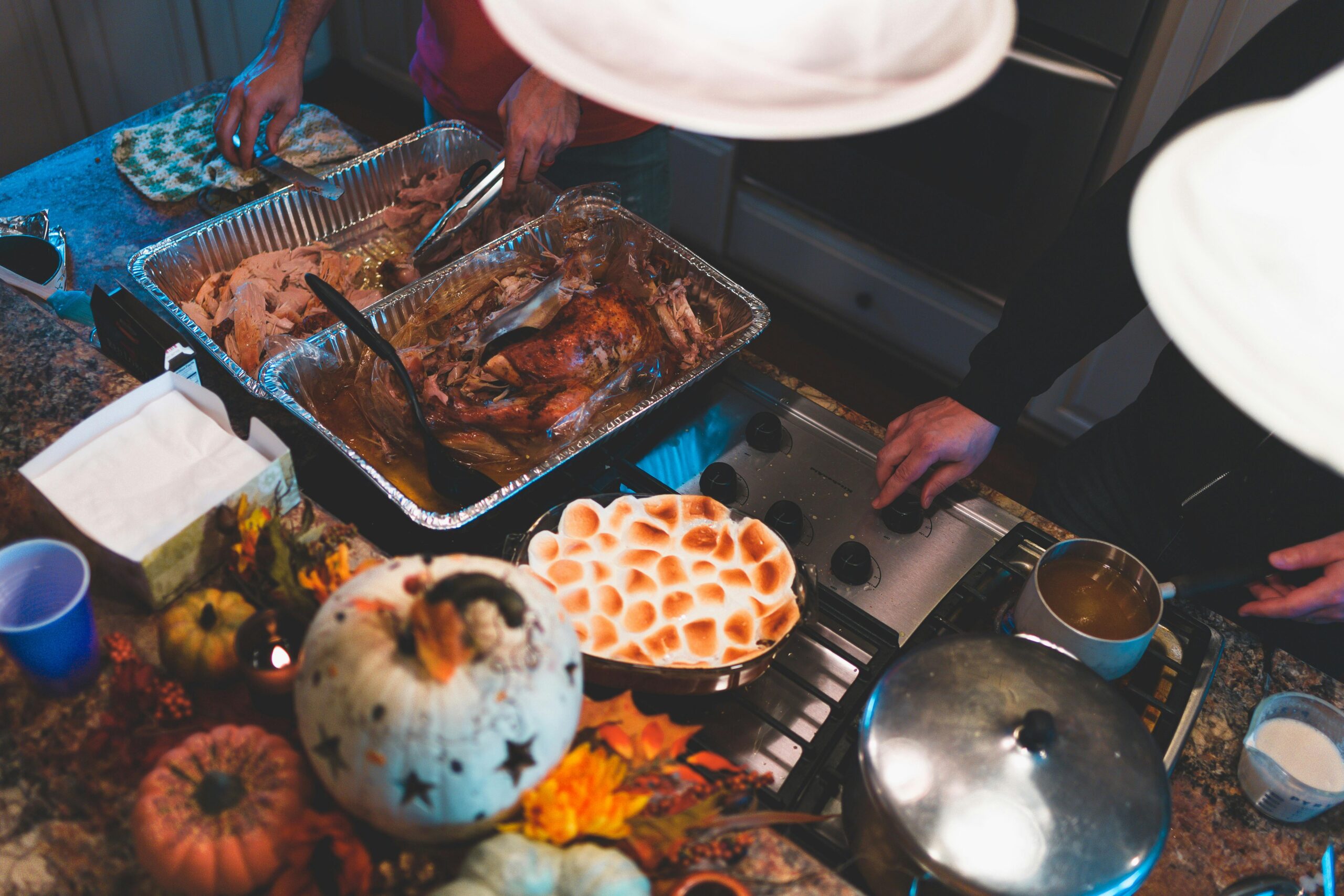
Turkey remains a holiday centerpiece that’s naturally low-FODMAP when prepared correctly. Create a flavorful herb butter using garlic-infused olive oil, fresh rosemary, thyme, and sage. Rub this mixture under the turkey skin and throughout the cavity, then roast until golden and juicy.
The garlic-infused oil provides that beloved savory depth without the FODMAP content of fresh garlic. Baste regularly with pan juices mixed with additional infused oil and fresh herbs. This technique produces crispy skin and moist meat that rivals any traditional preparation, proving that dietary restrictions don’t mean compromising on flavor or presentation.
Maple-Glazed Ham with Pineapple
Ham offers another excellent centerpiece option. Create a glaze using pure maple syrup, Dijon mustard, and a touch of brown sugar. Score the ham surface, brush with glaze, and stud with whole cloves. Add pineapple rings during the final roasting stage for classic presentation and natural sweetness.
This preparation method keeps FODMAPs low while delivering the sweet-savory combination people expect from holiday ham. The pineapple provides visual appeal and complements the maple glaze beautifully. Serve with pan juices reduced into a simple sauce for drizzling over sliced portions.
Herb-Crusted Beef Tenderloin
For elegant celebrations, beef tenderloin covered in fresh herbs creates an impressive presentation. Mix chopped parsley, chives, and tarragon with garlic-infused oil, salt, and pepper. Sear the tenderloin on all sides, coat with the herb mixture, then roast to desired doneness.
This preparation showcases how simple ingredients can create restaurant-quality results. The herb crust adds textural contrast while keeping the interior perfectly tender. Rest the meat properly before slicing to ensure juiciness that makes every bite memorable.
🥗 Festive Low-FODMAP Side Dishes
Creamy Mashed Potatoes
Mashed potatoes are naturally low-FODMAP when made with lactose-free milk and butter. Boil peeled potatoes until fork-tender, drain thoroughly, then mash with warmed lactose-free milk, butter, salt, and white pepper. For extra richness, fold in chives or chive-infused oil.
The key to perfect mashed potatoes lies in proper draining and using warm liquids, which incorporate more smoothly than cold additions. These mashed potatoes are indistinguishable from traditional versions, ensuring no one feels they’re eating “diet food” at your celebration table.
Roasted Root Vegetables with Herbs
Carrots, parsnips, and turnips roasted with garlic-infused oil and fresh herbs create a colorful, flavorful side dish. Cut vegetables into uniform pieces, toss with oil and seasonings, then roast at high heat until caramelized and tender.
The natural sugars in these vegetables caramelize during roasting, creating depth and sweetness that needs no high-FODMAP additions. The visual appeal of varied colors makes this dish as beautiful as it is delicious, perfect for holiday presentation.
Green Beans with Toasted Almonds
Fresh green beans blanched until crisp-tender, then sautéed with garlic-infused oil and topped with toasted sliced almonds, offer elegance and simplicity. This classic preparation respects the vegetable’s natural flavor while adding textural interest through the nuts.
The blanching technique preserves the vibrant green color while ensuring proper tenderness. Toasting the almonds separately intensifies their flavor, making them a standout component rather than an afterthought garnish.
🍞 Low-FODMAP Breads and Stuffings
Gluten-Free Dinner Rolls
Holiday meals need good bread, and gluten-free dinner rolls can be fluffy and delicious when made with the right flour blend. Use a combination of rice flour, tapioca starch, and potato starch with xanthan gum for structure. Add eggs, lactose-free milk, yeast, and a touch of sugar for tender, slightly sweet rolls.
The secret to great gluten-free rolls is not overworking the dough and allowing proper rising time. Brush with melted butter before baking for golden tops that look as appealing as they taste. These rolls prove that gluten-free doesn’t mean flavor-free.
Savory Herb Stuffing
Create traditional stuffing using gluten-free bread cubes, celery (in safe portions), carrots, fresh herbs, and chicken stock. Sauté vegetables in garlic-infused oil, combine with toasted bread cubes and stock, then bake until golden on top and moist throughout.
This stuffing delivers all the savory, herby flavors expected from this holiday staple. The gluten-free bread absorbs stock beautifully, while the vegetables add textural variety. Nobody will notice the difference from traditional versions, making it perfect for mixed-dietary gatherings.
🥧 Delightful Low-FODMAP Desserts
Classic Pumpkin Pie
Pumpkin pie can be low-FODMAP with careful ingredient selection. Use a gluten-free pie crust made with safe flours, and fill with pure pumpkin puree (not pumpkin pie filling), lactose-free cream, eggs, brown sugar, and traditional spices like cinnamon, ginger, and nutmeg.
The result is a silky, spiced pie that tastes exactly like traditional pumpkin pie. The gluten-free crust provides the necessary flaky texture, while the filling sets beautifully into smooth, sliceable perfection. Serve with lactose-free whipped cream for the complete experience.
Chocolate Peppermint Bark
For a simpler dessert option, chocolate peppermint bark requires minimal ingredients and no baking. Melt dark chocolate (checking that it’s low-FODMAP), spread on parchment paper, and sprinkle with crushed peppermint candies. Once set, break into rustic pieces for serving.
This dessert works beautifully for holiday gatherings because it can be made ahead and serves many people. The contrast between rich chocolate and refreshing peppermint creates a festive flavor combination that guests love. Plus, the easy preparation means less stress during busy celebration days.
Lemon Blueberry Tart
A lemon tart with fresh blueberries offers brightness after rich holiday meals. Make a gluten-free tart shell, fill with lemon curd made from fresh lemon juice, eggs, sugar, and lactose-free butter, then top with fresh blueberries arranged in decorative patterns.
The tartness of lemon balances holiday meal richness perfectly, while blueberries add antioxidants and visual appeal. This dessert can be prepared a day ahead, with blueberries added just before serving to maintain their freshness and appearance.
🍹 Festive Low-FODMAP Beverages
Holiday celebrations often include special drinks, and many can be made low-FODMAP friendly. Fresh-squeezed orange juice mixed with sparkling water and garnished with fresh cranberries creates a festive non-alcoholic option. For alcoholic beverages, dry wines, most spirits, and certain beers are naturally low-FODMAP in appropriate portions.
Create signature mocktails using fresh ginger, mint, lime juice, and sparkling water for refreshing options that feel special. The key is using fresh ingredients rather than pre-made mixes, which often contain high-FODMAP sweeteners or fruit concentrates. These beverages ensure everyone has appealing drink options throughout the celebration.
Appetizers That Impress
Shrimp Cocktail with Zesty Sauce
Perfectly poached shrimp served with homemade cocktail sauce starts meals elegantly. Make sauce using tomato paste, lemon juice, horseradish, and safe seasonings. Arrange shrimp on ice with lemon wedges for classic presentation that feels special and festive.
Shrimp cocktail works beautifully for mixed-dietary gatherings because it’s naturally gluten-free, dairy-free, and low-FODMAP. The preparation can happen entirely ahead of time, reducing stress during the celebration itself.
Cheese and Charcuterie Board
Create an impressive cheese board using hard, aged cheeses which are naturally lower in lactose. Add low-FODMAP crackers, grapes, strawberries, and safe charcuterie options. Include small portions of olives and pickles for briny contrast.
The visual appeal of a well-arranged cheese board makes it a centerpiece that encourages mingling and conversation. By selecting aged cheeses and appropriate accompaniments, you create an appetizer that satisfies various dietary needs while feeling indulgent and celebratory.
Tips for Stress-Free Low-FODMAP Holiday Cooking
Success with festive low-FODMAP cooking comes from preparation and organization. Make detailed shopping lists organized by store section to streamline grocery trips. Prep ingredients the day before when possible—wash vegetables, measure dry ingredients, and prepare any components that can be refrigerated overnight.
Create a cooking timeline that accounts for oven space and preparation time for each dish. This planning prevents last-minute stress and ensures everything finishes at the right time. Don’t hesitate to assign dishes to willing guests, especially items that don’t require low-FODMAP modifications or can be kept separate.
Making Celebrations Inclusive
When hosting mixed-dietary gatherings, communication helps everyone feel comfortable. Let guests know you’re preparing low-FODMAP options, but frame it positively—emphasize the delicious food rather than restrictions. Most people won’t notice dietary modifications when dishes are flavorful and well-prepared.
Consider labeling dishes at buffet-style gatherings so guests can easily identify safe options. This consideration extends beyond low-FODMAP needs to help anyone managing food sensitivities or allergies. Inclusive hosting means everyone can enjoy the celebration without anxiety about food choices.
🎊 Celebrating Without Compromise
The beauty of modern low-FODMAP cooking is that it doesn’t require sacrificing flavor, presentation, or tradition. With smart ingredient swaps and proper techniques, every dish can be both delicious and digestively friendly. Your festive feasts can rival any traditional spread while keeping everyone comfortable and satisfied.
Remember that holidays are about connection and celebration, not just food. By removing the stress of dietary restrictions through proper planning and delicious recipes, you create space for what truly matters—enjoying time with loved ones. These low-FODMAP recipes ensure that digestive concerns don’t overshadow the joy of gathering together.
As you plan your next holiday meal, embrace the opportunity to create dishes that work for everyone. The recipes and strategies outlined here provide a foundation for festive feasts that are truly inclusive. With practice, low-FODMAP holiday cooking becomes second nature, allowing you to focus on celebration rather than restriction. Your table can overflow with delicious, beautiful food that everyone can enjoy, proving that dietary needs never have to mean missing out on festive joy.