Living with digestive discomfort can feel overwhelming, but the low-FODMAP diet offers genuine relief for millions struggling with IBS and gut sensitivities.

If you’ve recently discovered the low-FODMAP approach, you’re probably facing a kitchen crisis: wondering what you can actually eat and how to make meals that don’t taste like cardboard. The good news? With clever ingredient swaps and cooking techniques, you can create delicious, gut-friendly meals that rival any traditional recipe. This comprehensive guide reveals genius hacks that will transform your low-FODMAP cooking from restrictive to revolutionary.
🔬 Understanding FODMAPs: The Foundation of Smart Substitutions
Before diving into cooking hacks, it’s essential to understand what you’re working with. FODMAPs are fermentable carbohydrates that can trigger digestive symptoms in sensitive individuals. These include oligosaccharides, disaccharides, monosaccharides, and polyols—compounds found in everything from wheat and dairy to certain fruits and vegetables.
The challenge in low-FODMAP cooking isn’t just avoiding problematic ingredients; it’s maintaining flavor, texture, and nutritional balance. When you remove garlic, onions, wheat, and dairy—staples in most cuisines—you need strategic replacements that deliver similar culinary functions without the digestive consequences.
Understanding which FODMAPs trigger your symptoms helps you personalize your approach. Some people tolerate small amounts of certain FODMAPs, while others need stricter elimination. This knowledge becomes your superpower when implementing the hacks that follow.
🧄 The Garlic and Onion Dilemma: Flavor Without the Fructans
Garlic and onions form the flavor foundation of countless dishes worldwide, making their elimination the biggest hurdle for new low-FODMAP cooks. The FODMAP culprits here are fructans, which are water-soluble but fat-soluble compounds remain safe.
Garlic-Infused Oil: Your Secret Weapon
Creating garlic-infused oil is perhaps the most transformative hack in low-FODMAP cooking. Heat neutral oil with crushed garlic cloves on low temperature for about 10 minutes, ensuring the garlic doesn’t brown. Remove the garlic pieces completely, and you’re left with aromatic oil containing the fat-soluble flavor compounds without the problematic fructans.
Store your infused oil in the refrigerator and use it within one week for food safety. This golden elixir works beautifully for sautéing vegetables, drizzling over pasta, or as a pizza base. The flavor intensity rivals actual garlic in many applications, satisfying your taste buds while protecting your gut.
Onion Alternatives That Actually Work
The green tops of scallions (spring onions) contain minimal FODMAPs compared to the white bulbs, making them perfect for recipes requiring fresh onion flavor. Use the green parts generously in salads, stir-fries, and garnishes.
Asafoetida powder, a pungent spice common in Indian cooking, mimics the savory depth of onions when used sparingly. Just a pinch added to hot oil at the start of cooking delivers remarkable umami complexity. Similarly, fennel fronds provide a subtle aromatic quality that enhances dishes without triggering symptoms.
🌾 Baking Brilliance: Grain and Flour Transformations
Wheat’s gluten and fructans make traditional baking problematic, but numerous alternatives can produce exceptional results when you understand their unique properties.
The Perfect Flour Blend Formula
Single gluten-free flours rarely work alone effectively. Creating custom blends produces superior texture and taste. A versatile low-FODMAP blend combines rice flour (for structure), potato starch (for moisture), and tapioca starch (for elasticity) in a 2:1:1 ratio.
For recipes requiring binding, add xanthan gum or psyllium husk powder—about half a teaspoon per cup of flour blend. These additions mimic gluten’s binding properties, preventing crumbly, disappointing baked goods. Oat flour (ensure certified gluten-free) adds nutritional value and hearty flavor to muffins and pancakes.
Moisture Management Matters
Gluten-free batters absorb liquid differently than wheat-based ones. Let your batter rest for 10-15 minutes before baking, allowing starches to hydrate fully. This simple step dramatically improves final texture, creating tender crumb structure instead of gummy or dry results.
Adding an extra egg or using banana (in low-FODMAP portions) contributes moisture and binding. Greek lactose-free yogurt or lactose-free milk also enhance moisture retention while adding protein and calcium.
🥛 Dairy Decoded: Creamy Without Consequences
Lactose intolerance affects many with digestive sensitivity, but complete dairy elimination isn’t always necessary. Understanding lactose distribution across dairy products opens creative possibilities.
Smart Dairy Selections
Hard, aged cheeses like cheddar, parmesan, and Swiss contain negligible lactose due to the aging process that converts lactose into lactic acid. Use these freely for flavoring sauces, topping casseroles, or enjoying with crackers.
Butter contains minimal lactose, particularly clarified butter or ghee, which removes milk solids entirely. These fats deliver rich, dairy flavor without digestive distress, perfect for baking and sautéing.
Plant-Based Alternatives with Caution
Not all plant milks suit low-FODMAP diets. Coconut milk (canned, not coconut water) and almond milk (in limited quantities) are typically safe choices. Avoid soy milk made from whole soybeans and cashew milk, as these contain high FODMAP levels.
Lactose-free dairy products offer familiar taste and texture for those who prefer genuine dairy. Lactose-free milk, cream, and yogurt work identically to regular versions in recipes, making transition seamless.
🍝 Pasta and Grain Genius: Satisfying Starches
Carbohydrate cravings don’t disappear on a low-FODMAP diet, fortunately numerous options satisfy without symptoms.
Beyond Basic Gluten-Free Pasta
Rice noodles, quinoa pasta, and certified gluten-free pasta made from corn or rice provide excellent alternatives. Cook them al dente and rinse immediately to prevent mushiness—a common complaint with gluten-free varieties.
Experimenting with different brands reveals significant quality variations. Some maintain better texture and flavor than others, so finding your favorites requires trial. Zucchini noodles, carrot ribbons, and spaghetti squash offer vegetable-based options when you want lighter meals.
Grain Variety Expands Options
Quinoa, brown rice, wild rice, polenta, and certified gluten-free oats diversify your plate while providing essential nutrients. These whole grains contain fiber, vitamins, and minerals that support overall health beyond just gut comfort.
Preparing grains in advance streamlines meal preparation. Cook large batches, portion them into containers, and refrigerate or freeze for quick assembly throughout the week. Cold rice particularly works beautifully for fried rice dishes.
🥗 Vegetable Victory: Strategic Selection and Preparation
Many vegetables contain FODMAPs, but preparation methods and portion control expand your options significantly.
Safe Vegetable Staples
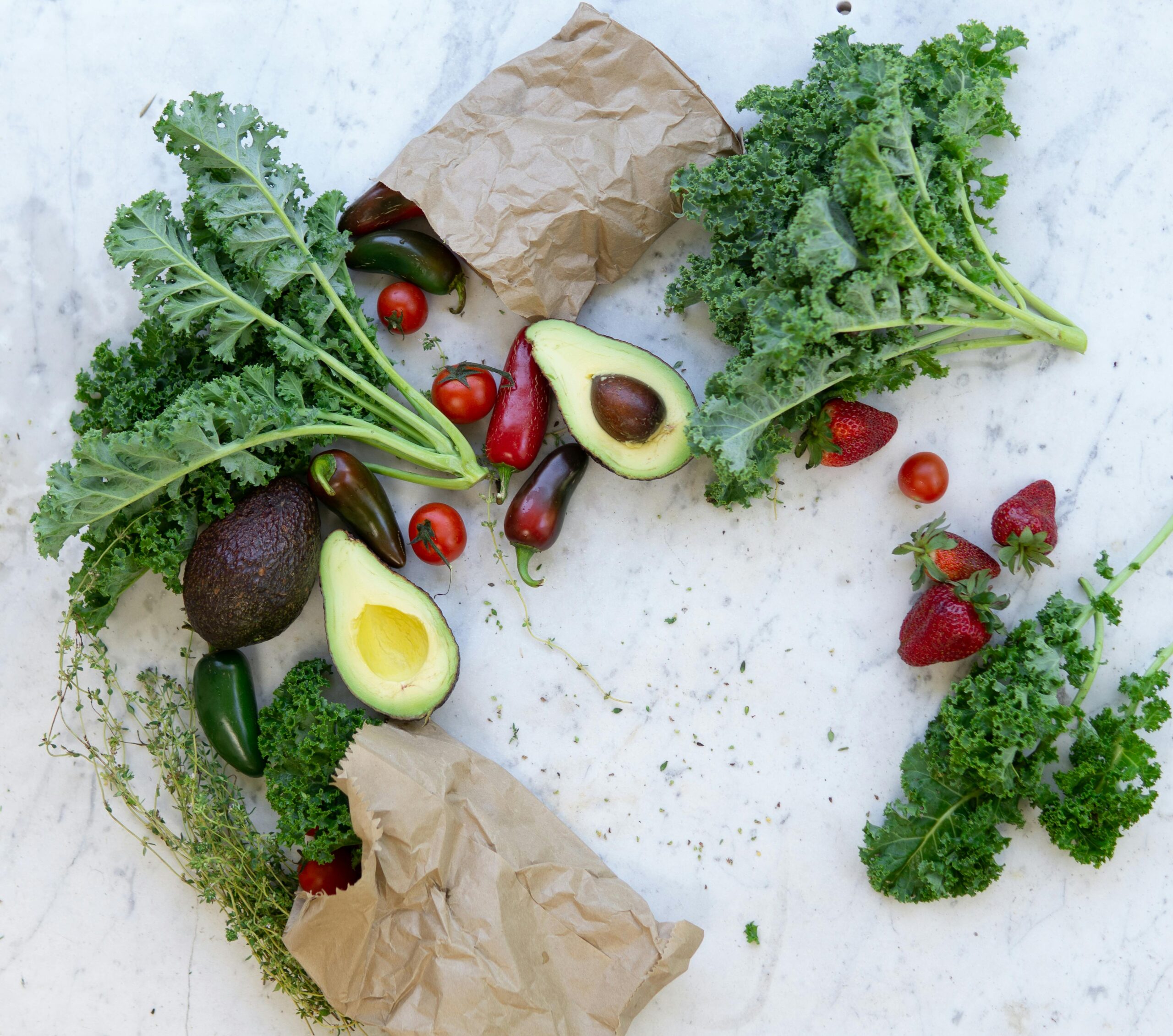
Bell peppers, carrots, cucumbers, lettuce, spinach, tomatoes, zucchini, eggplant, green beans, and bok choy form a colorful foundation for countless meals. These vegetables contain low FODMAP levels in normal serving sizes, allowing generous use.
Root vegetables like parsnips and turnips (in controlled portions) add heartiness to soups and roasts. Fresh herbs including basil, cilantro, parsley, and chives contribute vibrant flavor without digestive consequences.
Portion Control as Strategy
Some vegetables become problematic only in large quantities. Small amounts of broccoli, cauliflower, or mushrooms might suit your tolerance when enjoyed mindfully rather than eliminated completely. Experimenting during the reintroduction phase reveals your personal thresholds.
Peeling vegetables removes some FODMAP content concentrated in skins. Cooking methods matter too—roasting concentrates flavors while potentially reducing FODMAP levels through caramelization.
🍖 Protein Power: Simple Solutions
Fortunately, most protein sources naturally contain no FODMAPs, simplifying this aspect of meal planning considerably.
Animal Proteins Are Allies
Chicken, turkey, beef, pork, lamb, fish, and seafood provide unlimited options limited only by your cooking creativity. Focus on preparation methods and seasonings rather than the proteins themselves.
Marinating proteins in garlic-infused oil, low-FODMAP herbs, citrus juice, and safe spices creates complex flavors. Avoid pre-marinated or processed meats containing onion powder, garlic powder, or high-FODMAP additives.
Plant-Based Protein Considerations
Firm tofu and tempeh (in controlled portions) offer plant-based options, though tolerance varies individually. Eggs provide versatile, nutrient-dense protein for any meal. Quinoa and rice combined create complete proteins for vegetarian meal planning.
🧂 Seasoning Savvy: Building Flavor Complexity
Removing garlic and onions necessitates exploring the vast world of herbs, spices, and umami-rich ingredients.
Spice Cabinet Essentials
Cumin, coriander, paprika, turmeric, cinnamon, ginger, and black pepper deliver powerful flavor without FODMAPs. Creating custom spice blends for different cuisines—Italian herbs, taco seasoning, curry powder—keeps meals exciting and diverse.
Read labels carefully on commercial spice blends, as many contain garlic powder, onion powder, or high-FODMAP fillers. Making your own ensures complete control over ingredients.
Umami Boosters Transform Dishes
Soy sauce (tamari for gluten-free), miso paste (small amounts), nutritional yeast, tomato paste, and anchovy paste contribute savory depth that compensates for missing aromatics. These ingredients elevate simple dishes into restaurant-quality meals.
Worcestershire sauce (check for gluten-free versions), balsamic vinegar, and capers add complexity to sauces and dressings. Building layers of flavor through multiple ingredients creates satisfaction despite dietary restrictions.
🍲 Meal Prep Mastery: Systems for Success
Consistent low-FODMAP eating requires planning and preparation, but efficient systems make it manageable long-term.
Batch Cooking Strategies
Dedicate a few hours weekly to preparing components: cooked proteins, grains, roasted vegetables, and homemade sauces. Store them separately for mixing and matching throughout the week, preventing boredom while ensuring compliance.
Freezing individual portions of soups, stews, and casseroles provides emergency meals for particularly busy or symptomatic days. Label containers clearly with contents and preparation dates.
Portable Snack Solutions
Keeping low-FODMAP snacks readily available prevents desperate situations that lead to poor choices. Rice cakes with peanut butter, hard-boiled eggs, homemade granola bars, lactose-free yogurt with berries, and vegetable sticks with low-FODMAP dips provide convenient options.
🎯 Restaurant Navigation and Social Situations
Eating outside your controlled kitchen environment presents challenges, but preparation and communication enable enjoyable social dining.
Restaurant Communication Tactics
Calling ahead allows kitchen staff adequate time to accommodate requests without pressure. Explain your needs clearly: no garlic, onions, wheat, or dairy (or specify your particular triggers). Many establishments willingly substitute or modify dishes.
Choosing restaurants with naturally low-FODMAP cuisines—Japanese, Thai (with modifications), grilled proteins with steamed vegetables—increases success likelihood. Carrying a restaurant card listing your dietary requirements in concise, non-medical language helps servers understand quickly.
Travel Preparation
Pack portable foods when traveling: rice crackers, nuts (in safe portions), protein bars verified as low-FODMAP, and instant oatmeal packets. Research restaurants and grocery stores at your destination beforehand.
💡 Troubleshooting Common Challenges
Even with excellent strategies, obstacles arise. Addressing common issues preserves motivation and compliance.
Flavor Fatigue Solutions
When meals feel monotonous, explore new cuisines within low-FODMAP parameters. Mexican, Mediterranean, Asian-fusion, and American comfort foods all adapt successfully with proper substitutions. Cookbook investments and online recipe communities provide endless inspiration.
Budget Considerations
Specialty products can strain budgets, but strategic shopping minimizes costs. Buy staple gluten-free flours in bulk, prepare your own infused oils rather than purchasing expensive bottled versions, and focus on whole foods over processed alternatives.
Seasonal produce costs less while offering peak flavor and nutrition. Frozen vegetables provide affordable, nutritious options without the urgency of fresh produce spoilage.
🌟 Mindset Matters: Embracing Your New Normal
Successfully maintaining a low-FODMAP lifestyle extends beyond cooking techniques to mental approach and self-compassion.
Reframe restrictions as discoveries—finding new favorite foods, developing cooking skills, and connecting with a community facing similar challenges. Each successful meal represents progress toward better health and quality of life.
Remember that the elimination phase is temporary, typically lasting 2-6 weeks before systematic reintroduction. Many people eventually tolerate moderate amounts of previously problematic foods, expanding options over time.
Celebrate victories: successfully navigating a dinner party, creating a delicious recipe, or experiencing a symptom-free week. These milestones matter significantly in your wellness journey.
🔄 The Reintroduction Reality: Testing Your Tolerance
After successfully eliminating FODMAPs and experiencing symptom relief, the reintroduction phase determines your personalized tolerance levels.
Systematically test one FODMAP group at a time, gradually increasing amounts while monitoring symptoms. This process reveals which specific FODMAPs trigger your issues and in what quantities, allowing maximum dietary flexibility.
Keep detailed food and symptom journals during reintroduction. Patterns emerge that guide your long-term eating approach, potentially allowing foods you initially eliminated.
Work with a registered dietitian experienced in low-FODMAP protocols for personalized guidance. Professional support increases success rates significantly while ensuring nutritional adequacy throughout the process.
Mastering low-FODMAP cooking transforms from daunting restriction to empowering skill set. These genius hacks—from garlic-infused oils to strategic flour blends, smart dairy substitutions to flavor-building techniques—enable you to create satisfying, delicious meals that support your digestive health. Your gut will thank you, your taste buds will celebrate, and your confidence in the kitchen will soar. Embrace experimentation, practice patience with yourself, and remember that every meal supporting your wellbeing represents an investment in your long-term health and happiness. The journey to gut health begins in your kitchen, one thoughtfully prepared meal at a time.