Navigating meal prep while managing digestive sensitivities doesn’t have to feel overwhelming. With the right approach, batch-cooking low-FODMAP meals can become an enjoyable routine that brings peace to your kitchen and your gut.

Family mealtimes should be about connection, not stress over which ingredients might trigger symptoms. The low-FODMAP diet, scientifically proven to ease symptoms of IBS and other digestive disorders, can seamlessly integrate into your batch-cooking routine. Whether you’re cooking for yourself or feeding a household with varied dietary needs, preparing delicious, gut-friendly meals in advance saves time, reduces anxiety, and ensures everyone enjoys nutritious food throughout the week.
🍳 Understanding Low-FODMAP Basics for Successful Meal Prep
Before diving into batch-cooking strategies, understanding FODMAP fundamentals helps you make confident ingredient choices. FODMAPs are fermentable carbohydrates that can cause digestive distress in sensitive individuals—including certain fruits, vegetables, grains, and dairy products.
The beauty of low-FODMAP eating lies in its flexibility. You’re not eliminating foods permanently but rather identifying personal triggers. During the elimination phase, you’ll avoid high-FODMAP ingredients while discovering countless delicious alternatives that work beautifully in batch recipes.
Common low-FODMAP ingredients perfect for meal prep include rice, quinoa, potatoes, carrots, zucchini, bell peppers, chicken, fish, eggs, firm tofu, lactose-free dairy, and herbs like basil and oregano. These versatile staples form the foundation of countless family-friendly dishes.
Strategic Planning: The Foundation of Stress-Free Batch-Cooking
Successful meal prep begins with thoughtful planning. Rather than randomly cooking large quantities, strategic organization transforms batch-cooking from chaotic to calming. Start by selecting 3-4 core recipes that share similar ingredients—this approach minimizes shopping lists and maximizes efficiency.
Choose one designated prep day weekly when you have 2-3 uninterrupted hours. Sunday afternoons work wonderfully for many families, but find whatever timing fits your schedule. Consistency matters more than perfection.
Creating Your Low-FODMAP Batch-Cooking Blueprint
Design a simple template to follow each week. List your chosen recipes, required ingredients, cooking order, and storage containers needed. This blueprint eliminates decision fatigue and streamlines your process.
Consider recipe variety across the week: include one poultry-based meal, one fish option, one vegetarian dish, and one versatile grain or carb side. This diversity prevents flavor fatigue while meeting different nutritional needs within your family.
🥘 Family-Friendly Low-FODMAP Batch-Cooking Recipes
These tested recipes deliver on flavor without compromising digestive comfort. Each scales beautifully for batch-cooking and reheats exceptionally well throughout the week.
Herb-Roasted Chicken with Root Vegetables
This one-pan wonder feeds a family multiple times with minimal effort. Season chicken thighs with olive oil, salt, pepper, rosemary, and thyme. Surround with chopped carrots, parsnips, and potatoes. Roast at 400°F for 45 minutes until golden and cooked through.
Divide into portions—serve fresh on day one, then repurpose leftovers into chicken salads with low-FODMAP greens, or shred for grain bowls. The roasted vegetables become delicious side portions or blend into creamy soups with lactose-free milk.
Asian-Inspired Ginger-Soy Salmon
Marinate salmon fillets in a mixture of gluten-free soy sauce (or tamari), fresh ginger, maple syrup, and sesame oil for 30 minutes. Bake at 375°F for 12-15 minutes. Pair with steamed bok choy and jasmine rice cooked in bulk.
This protein-packed meal provides omega-3 fatty acids and reheats beautifully. Leftover salmon flakes perfectly into fried rice or serves cold atop salads for quick lunches.
Mediterranean Quinoa Power Bowls
Cook a large batch of quinoa as your base. Prepare separate containers with diced cucumber, cherry tomatoes, sliced olives, crumbled feta (if tolerated in small amounts), grilled chicken or chickpeas (canned, rinsed well), and a simple lemon-olive oil dressing.
This customizable meal allows family members to build their own bowls, accommodating different preferences while staying low-FODMAP. Prep all components on Sunday, then assemble fresh daily in just minutes.
Comforting Low-FODMAP Bolognese
Sauté ground beef or turkey with garlic-infused oil (the oil captures flavor without FODMAPs). Add crushed tomatoes, diced carrots, zucchini, oregano, basil, salt, and pepper. Simmer for 45 minutes, stirring occasionally.
This versatile sauce freezes exceptionally well. Serve over gluten-free pasta, spaghetti squash, or baked potatoes. One batch provides 4-6 meals depending on family size, making it incredibly cost-effective.
⏰ Time-Saving Batch-Cooking Techniques
Efficiency separates enjoyable meal prep from exhausting marathons. Implement these techniques to maximize your batch-cooking productivity without sacrificing quality or sanity.
The Parallel Cooking Method
Rather than completing one recipe entirely before starting another, work on multiple dishes simultaneously. While vegetables roast in the oven, cook grains on the stovetop and prepare marinades on the counter. This parallel approach dramatically reduces total cooking time.
Organize tasks by cooking method—oven dishes together, stovetop items grouped, cold preparations clustered. This spatial organization prevents cross-contamination and streamlines your workflow.
Smart Equipment Usage
Invest in tools that multiply your efficiency. A rice cooker handles grains hands-off while you focus elsewhere. Sheet pans accommodate multiple vegetables simultaneously. A slow cooker or Instant Pot transforms tough cuts into tender meals with minimal supervision.
Quality storage containers matter enormously. Choose glass containers that transition from fridge to microwave safely. Label each with contents and date to maintain freshness awareness and reduce food waste.
Storage and Reheating for Optimal Freshness 🥡
Proper storage extends the life and quality of your batch-cooked meals. Most prepared dishes maintain excellent quality for 4-5 days when refrigerated correctly at 40°F or below.
Cool cooked foods quickly before refrigerating—spread hot items on baking sheets to accelerate cooling, then transfer to containers. This prevents bacterial growth and maintains food safety standards.
Freezer-Friendly Low-FODMAP Options
Many low-FODMAP recipes freeze beautifully, extending your meal prep efforts for weeks. Soups, stews, casseroles, cooked proteins, and grain dishes all freeze successfully when properly packaged.
Use freezer-safe containers or heavy-duty bags, removing as much air as possible. Flat-pack items like sauces and soups for space-efficient storage. Label clearly with contents and freeze date—most items maintain quality for 2-3 months frozen.
Thaw frozen meals overnight in the refrigerator for safest results. Reheat thoroughly to 165°F, adding a splash of water or broth to restore moisture if needed.
Accommodating Mixed Households: Low-FODMAP for Everyone
When only one family member follows a low-FODMAP diet, meal prep can feel complicated. However, strategic planning allows you to prepare base components that accommodate everyone with simple modifications.
Cook plain proteins and grains in bulk, then add different sauces or toppings to individual portions. For example, prepare basic grilled chicken—season individual portions differently afterward. One family member enjoys it with garlic pasta sauce while the low-FODMAP eater has garlic-infused oil and herbs.
Build-Your-Own Meal Stations
Create deconstructed meals where everyone customizes their plate. Taco bars work perfectly—prepare seasoned ground meat, corn tortillas, shredded lettuce, tomatoes, and cheese. Each person adds their preferred toppings, including high-FODMAP options like salsa or guacamole for those without restrictions.
This approach reduces cooking burden while respecting different dietary needs. It also teaches children about ingredient awareness and encourages their involvement in meal preparation.
🛒 Low-FODMAP Shopping Strategies for Batch-Cooking Success
Efficient shopping sets the stage for smooth meal prep sessions. Organize your grocery list by store sections—produce, proteins, pantry staples, and dairy alternatives. This structured approach saves time and prevents forgotten ingredients.
Buy versatile ingredients that appear across multiple recipes. Carrots, for instance, work in roasted dishes, soups, and salads. This overlap reduces waste and simplifies shopping considerably.
Budget-Conscious Low-FODMAP Choices
Low-FODMAP eating doesn’t require expensive specialty products. Focus on naturally compliant whole foods—rice, potatoes, carrots, chicken thighs, eggs, and seasonal produce offer excellent nutrition at reasonable prices.
Buy proteins when on sale and freeze portions for future batch-cooking sessions. Purchase larger quantities of shelf-stable items like rice, quinoa, and gluten-free pasta when prices drop. These pantry staples form the backbone of countless meals.
Involving Family Members in Low-FODMAP Meal Prep
Transform batch-cooking from solo effort into family activity. Even young children can wash vegetables, tear lettuce, or arrange ingredients in containers. This involvement builds cooking confidence and food appreciation.
Assign age-appropriate tasks—older children can chop soft vegetables with supervision, measure ingredients, or operate simple appliances. Teenagers might take ownership of one complete recipe, developing valuable life skills.
When family members participate in preparation, they develop investment in the meals. Picky eaters often become more willing to try foods they’ve helped create, expanding everyone’s dietary horizons.
Troubleshooting Common Low-FODMAP Batch-Cooking Challenges 🔧
Even experienced meal preppers encounter obstacles. Recognizing common challenges and having solutions ready prevents discouragement.
Flavor Without High-FODMAP Ingredients
Missing garlic and onions? Use garlic-infused oil and the green parts of spring onions for similar flavor profiles. Fresh herbs, citrus zest, ginger, and spices like cumin and paprika add tremendous depth to low-FODMAP dishes.
Experiment with umami-rich ingredients—tomato paste, Parmesan cheese, soy sauce (gluten-free), and miso paste deliver savory complexity that satisfies without triggering symptoms.
Preventing Meal Fatigue
Eating identical meals repeatedly breeds boredom. Combat this by varying cooking methods and seasonings. That batch-cooked chicken becomes Mexican-inspired one night with cumin and lime, Italian the next with basil and tomatoes, then Asian-fusion with ginger and sesame.
Rotate recipes every few weeks. Keep a collection of favorite low-FODMAP recipes and cycle through them seasonally, taking advantage of fresh produce availability.
Seasonal Low-FODMAP Meal Prep Inspiration 🌱
Align your batch-cooking with seasonal produce for maximum freshness, flavor, and value. Each season offers unique low-FODMAP ingredients that inspire different meal prep approaches.
Spring brings tender greens, asparagus, and strawberries. Summer bursts with zucchini, bell peppers, tomatoes, and fresh herbs. Fall delivers squash, carrots, and hearty greens. Winter provides citrus, root vegetables, and warming spices perfect for comforting stews.
Seasonal eating naturally introduces variety while supporting local agriculture and reducing costs. Visit farmers’ markets for inspiration and discover new low-FODMAP vegetables to incorporate into your rotation.
Building Sustainable Low-FODMAP Meal Prep Habits
Long-term success requires developing sustainable systems rather than pursuing perfection. Start small—batch-cook just two recipes weekly until the process feels comfortable. Gradually expand as confidence grows.
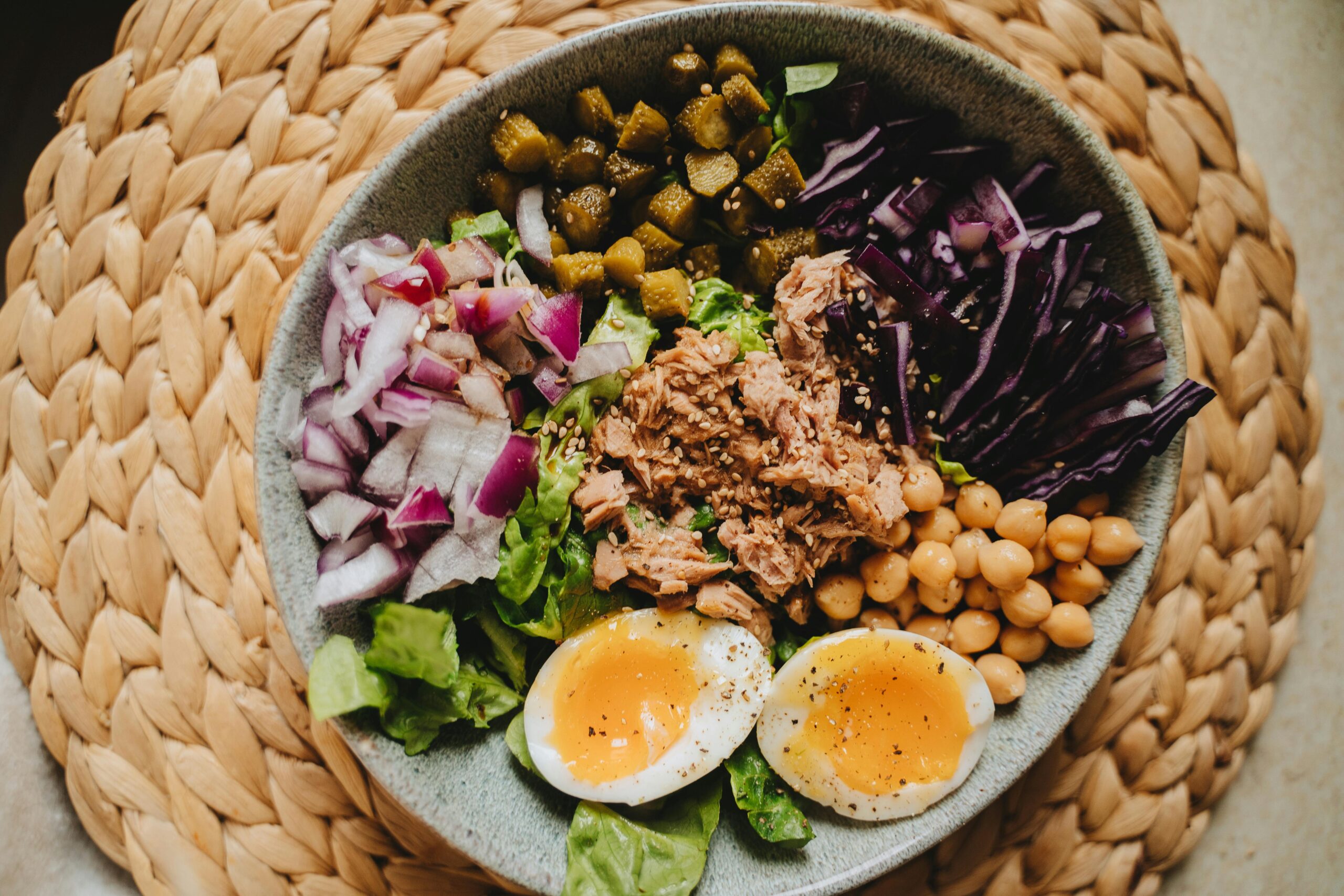
Accept that some weeks won’t go as planned. When life interrupts meal prep, have backup options ready—frozen portions from previous sessions, simple egg dishes, or quick rice bowls with canned tuna and vegetables.
Track what works using a simple notebook or phone app. Note which recipes your family loves, which store better, and which prep methods save the most time. This personalized data refines your approach continuously.
The Life-Changing Benefits Beyond the Kitchen ✨
Consistent low-FODMAP batch-cooking delivers advantages extending far beyond convenient meals. Reduced digestive symptoms improve energy levels, mood, and overall quality of life. When you’re not constantly worried about triggering reactions, mental bandwidth opens for other priorities.
Financial benefits accumulate significantly. Batch-cooking reduces food waste, limits expensive takeout purchases, and allows bulk buying of staple ingredients. Many families report saving hundreds monthly after establishing meal prep routines.
The time saved during hectic weeknights translates to more family connection, exercise, hobbies, or simply relaxation. Instead of scrambling to prepare dinner while managing digestive discomfort, you simply reheat a delicious, safe meal and enjoy your evening.
Stress-free low-FODMAP batch-cooking isn’t about perfection or complicated techniques. It’s about creating simple systems that deliver nourishing meals while respecting your body’s needs. Start with one recipe this week, involve your family in the process, and watch how this manageable approach transforms both your digestive health and daily life. Your future self—and your gut—will thank you for taking this first step toward calmer, more organized, symptom-free eating.