Managing digestive health doesn’t have to mean spending hours in the kitchen every day. Low-FODMAP eating combined with strategic meal prep transforms gut-friendly nutrition into a sustainable lifestyle.

If you’ve been diagnosed with IBS or other digestive sensitivities, you’ve likely discovered that following a low-FODMAP diet can be genuinely life-changing. The relief from bloating, discomfort, and unpredictable symptoms makes the dietary adjustments worthwhile. However, the challenge often lies not in understanding what to eat, but in making it practical for everyday life. That’s where meal prep becomes your secret weapon—transforming what could be a stressful daily puzzle into a streamlined, stress-free system.
🍱 Why Low-FODMAP Meal Prep Changes Everything
The low-FODMAP diet eliminates fermentable carbohydrates that trigger digestive distress in sensitive individuals. While incredibly effective, it requires careful attention to ingredients and portions. When you’re hungry and unprepared, making compliant choices becomes exponentially harder. Meal prepping removes decision fatigue from the equation entirely.
Preparing low-FODMAP meals in advance means you’re never caught without safe options. You avoid the temptation to grab something questionable when hunger strikes, and you eliminate the daily stress of figuring out what’s safe to eat. Beyond convenience, batch cooking allows you to control portions more precisely—especially important since many foods are low-FODMAP only in specific quantities.
Financial benefits shouldn’t be overlooked either. When you plan meals strategically, you reduce food waste, buy ingredients more efficiently, and avoid expensive last-minute takeout that may not align with your dietary needs. Your gut health and your wallet both benefit from the investment of a few hours of weekend preparation.
Building Your Low-FODMAP Meal Prep Foundation
Success with any meal prep strategy starts with having the right tools and systems in place. You don’t need specialized equipment, but a few key items make the process significantly smoother and more enjoyable.
Essential Equipment for Efficient Prep
Quality storage containers are non-negotiable. Glass containers with tight-fitting lids work beautifully for both refrigeration and reheating. Choose various sizes to accommodate different meal components and portion sizes. Individual compartment containers help keep foods separate when you prefer variety on one plate.
A reliable food scale ensures you’re respecting FODMAP serving limits. Many foods shift from green to red light status based purely on quantity, so precision matters. Sharp knives, cutting boards, and basic cooking vessels round out your essential toolkit. If you enjoy variety, a slow cooker or instant pot can multiply your options with minimal active cooking time.
Stocking Your Low-FODMAP Pantry
A well-stocked pantry eliminates guesswork and enables spontaneous meal assembly. Focus on certified low-FODMAP staples that offer versatility across multiple recipes. Rice, quinoa, and gluten-free oats provide reliable grain bases. Canned lentils (in appropriate portions), firm tofu, and canned tuna offer convenient protein options.
Keep low-FODMAP sauces and condiments on hand to add flavor without triggering symptoms. Garlic-infused oil captures that beloved garlic essence without the problematic fructans. Soy sauce alternatives like tamari (gluten-free) work in appropriate amounts. Maple syrup, rice vinegar, and certain mustards add brightness to otherwise simple preparations.
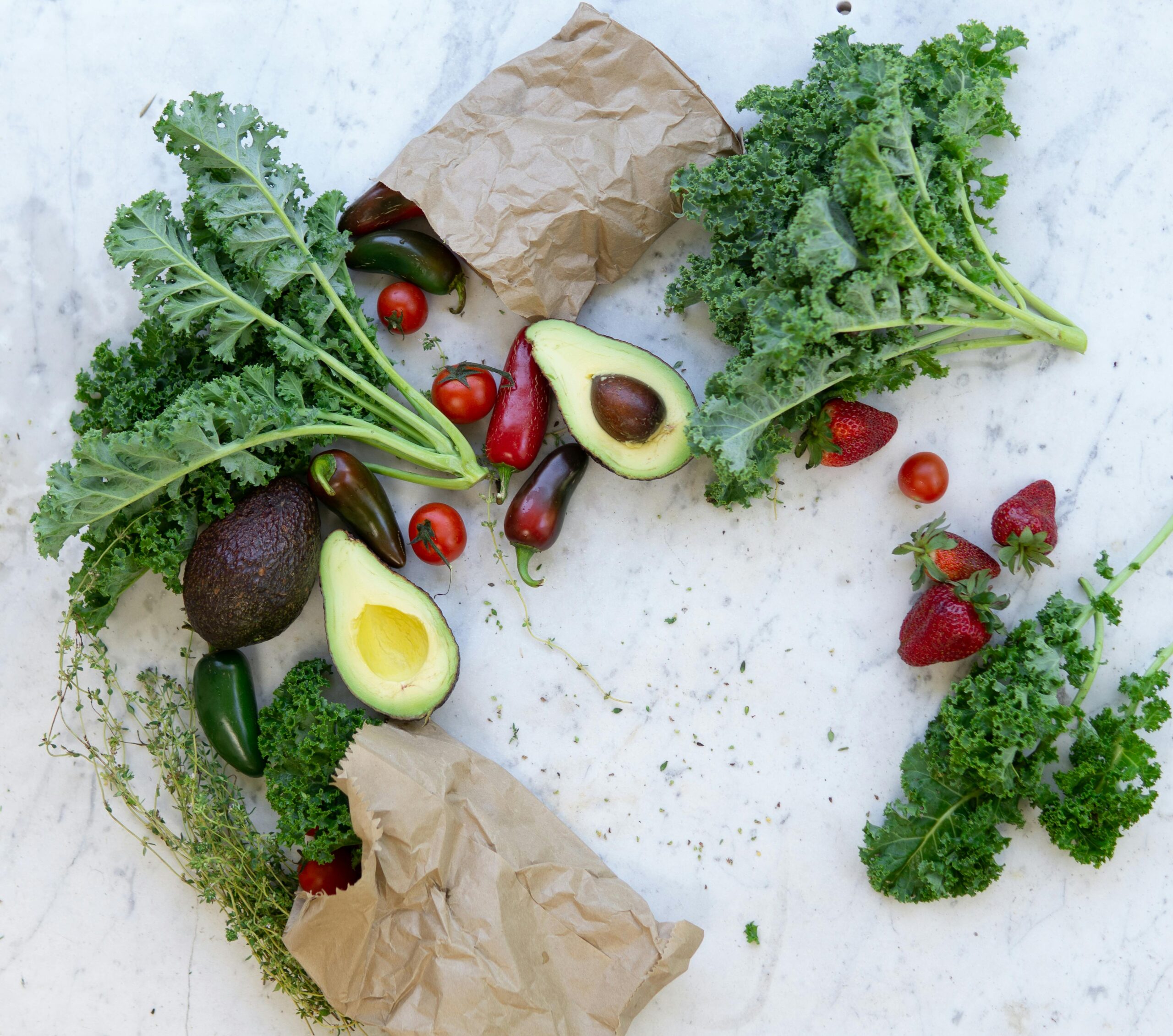
Fresh ingredients require more frequent shopping, but certain items keep well and deserve permanent refrigerator real estate. Carrots, bell peppers, zucchini, and leafy greens maintain quality for a week. Suitable proteins like chicken, fish, eggs, and firm cheeses provide the foundation for countless meal combinations.
🥗 Strategic Recipe Bundles for Maximum Efficiency
The beauty of meal prep lies in strategic ingredient overlap. When your recipes share common elements, your prep time decreases dramatically while variety increases. These recipe bundles demonstrate how to maximize efficiency without sacrificing flavor or nutrition.
Bundle One: The Chicken-Centric Week
Chicken forms the protein backbone of this bundle, prepared three ways using one initial cooking session. Start by roasting several pounds of chicken breasts seasoned simply with salt, pepper, and herbs like rosemary or thyme. Once cooked and cooled, portion some for straightforward chicken and vegetable meals.
Transform another portion into a vibrant chicken salad using lactose-free mayo, diced cucumber, celery in appropriate amounts, and fresh dill. Serve over mixed greens with cherry tomatoes and a drizzle of olive oil and lemon juice. The third preparation becomes a warming chicken and rice bowl with sautéed bok choy, carrots, and a splash of low-FODMAP teriyaki-style sauce made from tamari, ginger, and maple syrup.
Vegetable prep happens simultaneously. Roast bell peppers, zucchini, and eggplant in one large pan. These become sides for the plain chicken, mix-ins for grain bowls, or components of a colorful Buddha bowl with quinoa and a tahini dressing thinned with lemon juice.
Bundle Two: Plant-Forward Protein Rotation
This bundle centers on low-FODMAP plant proteins, perfect for vegetarians or anyone seeking variety. Firm tofu takes center stage, pressed well and prepared in two distinct flavor profiles. Marinate half in a mixture of garlic-infused oil, ginger, and tamari, then bake until golden. The other half gets a simple treatment with olive oil, nutritional yeast, and smoked paprika.
Pair these proteins with complementary grain bases. Cook a large batch of brown rice and separately prepare quinoa seasoned with fresh herbs. These grains become the foundation for different meals throughout the week, preventing monotony while simplifying prep.
Vegetable components include roasted sweet potato cubes, steamed green beans, sautéed spinach with a touch of nutmeg, and fresh cucumber salad with rice vinegar and sesame seeds. Mix and match these elements throughout the week, adding different sauces or toppings to create distinct meals from the same components.
Bundle Three: Seafood Simplicity
Fish and seafood cook quickly, making them ideal for partial meal prep strategies. Prepare your grains, vegetables, and sauces in advance, then cook proteins fresh in just minutes for optimal texture and flavor.
Stock your refrigerator with pre-portioned salmon fillets, shrimp, and firm white fish. Prep accompanying elements like roasted cherry tomatoes with basil, sautéed zucchini ribbons, steamed baby potatoes with parsley, and a crisp slaw made from cabbage, carrots, and a tangy dressing of rice vinegar and Dijon mustard.
When mealtime arrives, quickly pan-sear your protein of choice and plate it with your prepped sides. This hybrid approach gives you the convenience of meal prep with the satisfaction of freshly cooked seafood. Prepare low-FODMAP sauces like lemon-herb butter, ginger-soy glaze, or simple olive oil with fresh herbs to drizzle over finished dishes.
🍳 Breakfast Bundles for Morning Success
Mornings often present the greatest challenge for dietary compliance. Rushing out the door rarely aligns with thoughtful meal preparation. These breakfast bundles ensure you start every day with gut-friendly fuel, regardless of your schedule.
The Make-Ahead Egg Protocol
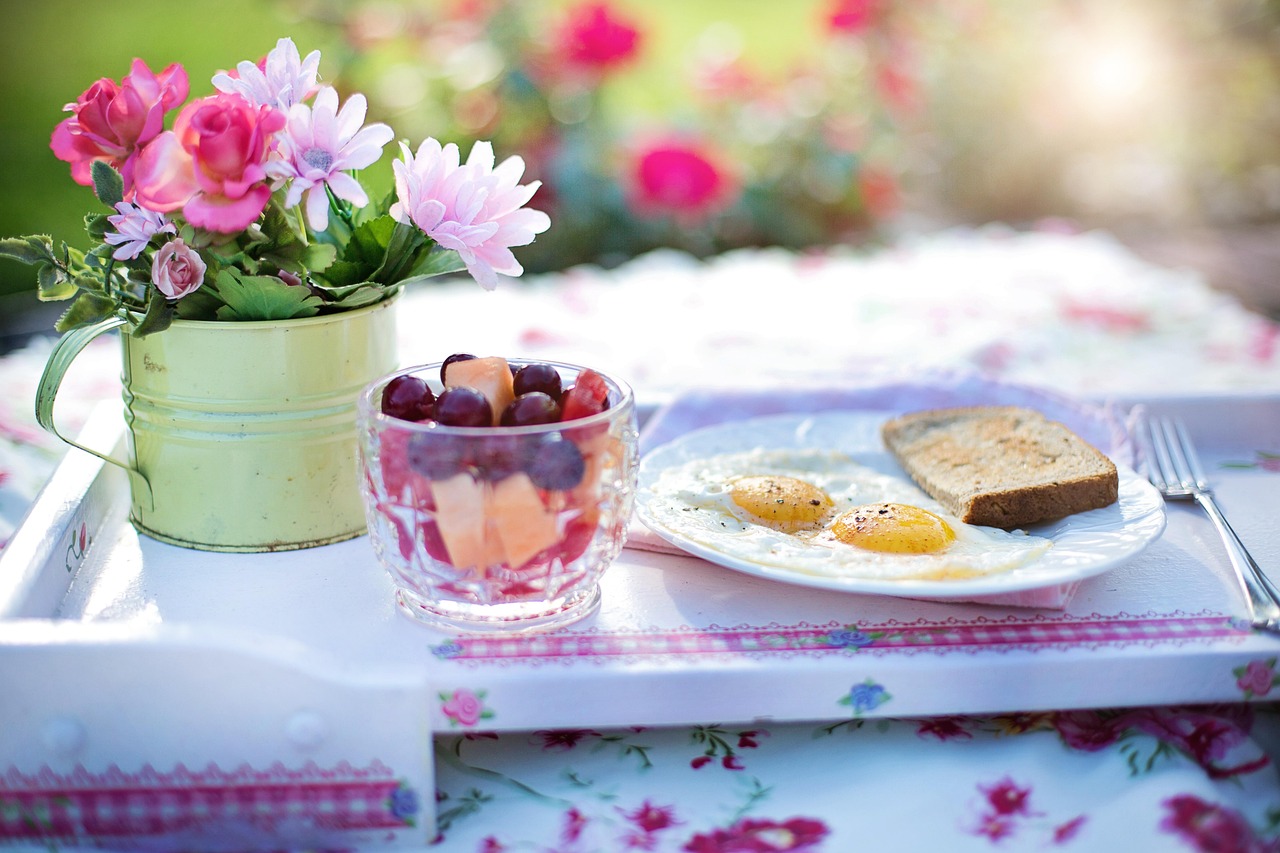
Eggs are naturally low-FODMAP and incredibly versatile for advance preparation. Bake a large frittata loaded with spinach, bell peppers, cherry tomatoes, and crumbled feta cheese. Cut into individual portions and refrigerate for grab-and-go breakfasts that reheat beautifully.
Alternatively, prepare mason jar egg scrambles by whisking eggs with lactose-free milk, pouring into greased jars with diced vegetables and protein, then baking in a water bath. These portable breakfasts stay fresh for several days and require only brief reheating.
Hard-boiled eggs prepared in bulk offer the ultimate convenience. Pair with low-FODMAP crackers, a small handful of permitted nuts, and sliced cucumber or bell pepper for a balanced breakfast requiring zero morning prep.
Overnight Oats and Porridge Variations
Gluten-free oats in appropriate portions (typically ½ cup dry) work for many following low-FODMAP protocols. Prepare individual servings in jars by combining oats with lactose-free milk, a touch of maple syrup, and flavor variations like cinnamon with sliced banana, cocoa powder with a swirl of peanut butter, or vanilla with fresh blueberries.
These mixtures develop perfect texture overnight in the refrigerator, ready to eat cold or briefly warmed. The beauty of this approach lies in creating multiple flavor profiles simultaneously, preventing breakfast boredom throughout the week.
Snack Strategies That Actually Work
Strategic snacking prevents energy crashes and reduces the temptation to reach for questionable convenience foods. Prepare low-FODMAP snack portions in advance so healthy choices are always within reach.
Portion appropriate amounts of nuts like almonds, walnuts, or macadamias into small containers. Pair with low-FODMAP fruit like strawberries, grapes, or kiwi for balanced mini-meals. Rice cakes topped with peanut butter and banana slices provide satisfying crunch and sustained energy.
Vegetable sticks with low-FODMAP dips offer another reliable option. Carrot and cucumber sticks pair beautifully with homemade tzatziki made from lactose-free yogurt, fresh dill, lemon juice, and a hint of garlic-infused oil. Bell pepper strips with a tahini-based dip provide Middle Eastern-inspired flavors that satisfy savory cravings.
🗓️ Your Weekly Meal Prep Workflow
Transforming these concepts into consistent practice requires an efficient workflow. This step-by-step approach minimizes time in the kitchen while maximizing your prepared meal inventory.
Begin by selecting your recipe bundle for the week and creating a detailed shopping list. Check your pantry first to avoid duplicate purchases. Designate a specific day for shopping and another for bulk preparation—many people find Sunday works perfectly, but choose whatever aligns with your schedule.
Start your prep session by reviewing all recipes and identifying shared steps. If multiple recipes require roasted vegetables, prepare them together in large batches. Cook all grains simultaneously using different pots or a rice cooker. While these components cook relatively unattended, focus on protein preparation and any sauces or dressings.
As items finish cooking, allow proper cooling before transferring to storage containers. Label everything clearly with contents and preparation date. Most prepared components maintain quality for 4-5 days when refrigerated properly. Items intended for later in the week can be frozen immediately after cooling, then thawed as needed.
Troubleshooting Common Meal Prep Challenges
Even with perfect planning, obstacles emerge. Anticipating common challenges helps you develop solutions before problems derail your system.
Preventing Flavor Fatigue
Eating similar meals repeatedly can feel monotonous despite convenience. Combat this by varying your sauces, seasonings, and serving presentations. The same roasted chicken and vegetables transforms dramatically when served with different accompaniments—try it over greens as a salad one day, in a rice bowl another, and alongside roasted potatoes the next.
Maintain a collection of low-FODMAP sauces and condiments that add distinct flavor profiles. Asian-inspired ginger-tamari, Mediterranean herb-lemon, Mexican cumin-lime, and Indian turmeric-ginger variations ensure your meals never feel repetitive even when using identical base ingredients.
Maintaining Food Quality and Safety
Proper storage determines whether your meal prep delights or disappoints. Allow all cooked foods to cool to room temperature before refrigerating, but don’t leave them out longer than two hours. Store proteins separately from high-moisture vegetables when possible to maintain optimal texture.
Invest in quality containers with reliable seals to prevent moisture loss and protect against refrigerator odors. Glass containers won’t absorb stains or smells and transition seamlessly from refrigerator to microwave. When reheating, add a splash of water or broth to rice and grain dishes to restore moisture lost during storage.
🌟 Advanced Strategies for Meal Prep Masters
Once basic meal prep becomes routine, advanced techniques take your efficiency and variety to the next level. These strategies suit those ready to optimize their system further.
Theme-based eating simplifies decision-making while maintaining variety. Designate Monday as grain bowl day, Tuesday as salad day, Wednesday as soup day, and so forth. Within each theme, rotate different proteins, vegetables, and flavor profiles. This structure provides framework without rigidity.
Batch cooking and freezing multiplies your efforts exponentially. When preparing soup, stew, or sauce-based dishes, double or triple the recipe and freeze portions in individual containers. Your freezer becomes a library of ready-made meals requiring only reheating, perfect for especially busy weeks when even basic prep feels overwhelming.
Component cooking offers ultimate flexibility. Rather than assembling complete meals, prep individual components that combine in countless ways. Roasted proteins, cooked grains, prepared vegetables, and various sauces become building blocks you mix differently each day based on preference and appetite.
Making It Sustainable for the Long Haul
The difference between a temporary experiment and lasting lifestyle change often comes down to sustainability. Meal prep should simplify your life, not become another source of stress or obligation.
Start smaller than you think necessary. Prepping just three dinners feels manageable and builds confidence. As the routine becomes comfortable, gradually expand to additional meals. Perfectionism sabotages more meal prep efforts than any other factor—embrace good enough rather than pursuing Instagram-worthy perfection.
Build flexibility into your system. Life happens, schedules change, and appetites vary. If you don’t feel like eating your planned meal, adjust without guilt. The goal is making low-FODMAP eating easier, not creating rigid rules that add stress. Keep a few emergency backup options like canned tuna, rice cakes, and permitted crackers for days when nothing goes according to plan.
Celebrate your wins, however small they seem. Each week you successfully prep meals represents progress toward better digestive health and reduced daily stress. The compound effect of these consistent small actions creates dramatic long-term results for both your gut health and overall quality of life.
Low-FODMAP meal prep transforms potential dietary restriction into genuine food freedom. By investing a few focused hours weekly, you create abundance—abundant energy, abundant gut comfort, abundant time for activities that matter more than figuring out what’s safe to eat. This approach doesn’t just manage symptoms; it enables you to thrive while honoring your body’s unique needs. 🌱