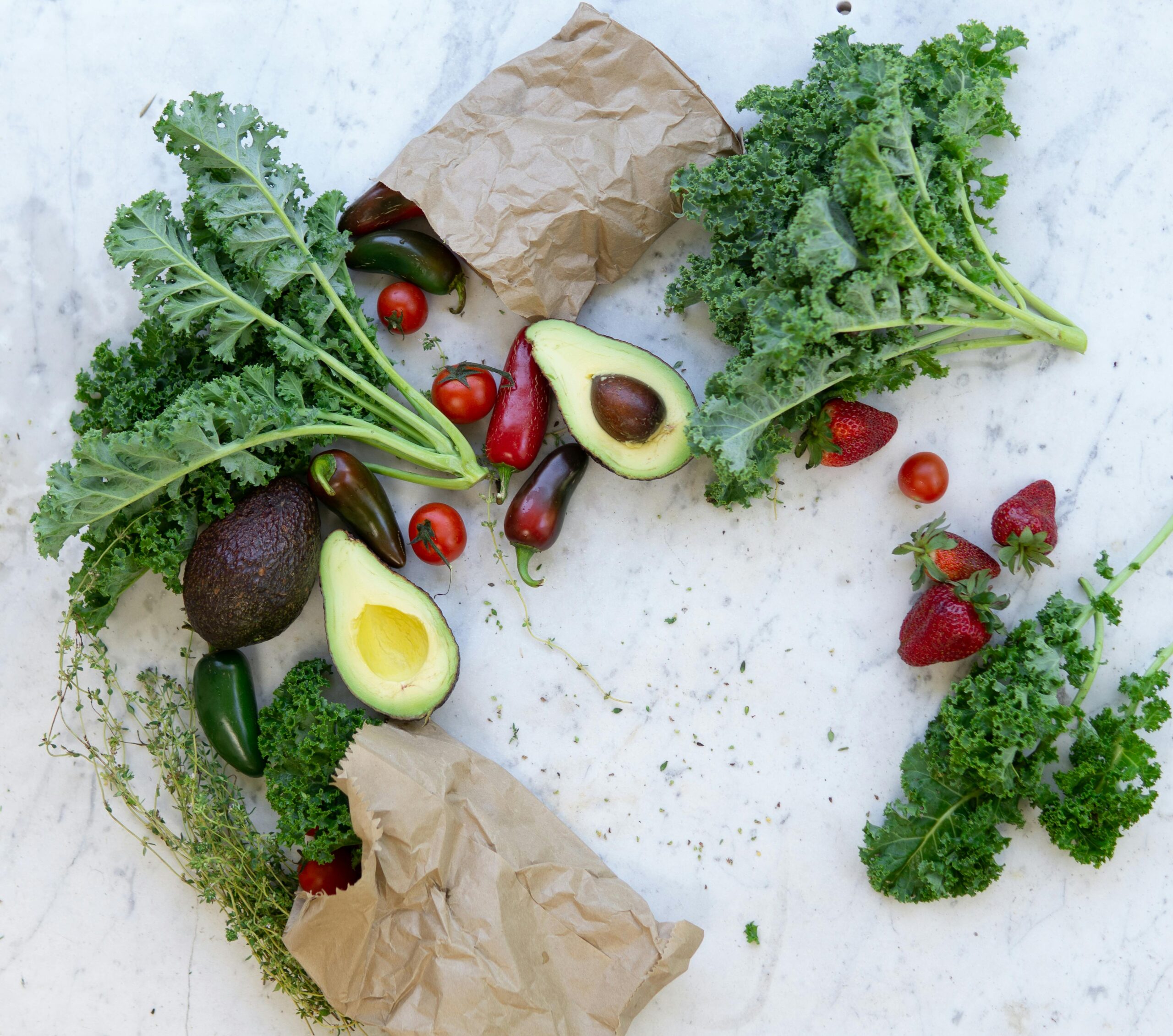
Living with digestive sensitivities doesn’t mean sacrificing flavor or nutrition. High-protein, low-FODMAP eating can be delicious, satisfying, and incredibly nourishing for your body.

Whether you’re managing IBS, dealing with gut sensitivity, or simply looking to optimize your digestive health while building muscle, combining high protein with low-FODMAP ingredients offers the perfect solution. This approach supports your fitness goals while keeping your stomach happy and comfortable throughout the day.
The beauty of high-protein low-FODMAP cooking lies in its versatility and accessibility. You’ll discover that eating for gut health doesn’t require complicated recipes or obscure ingredients. Instead, it’s about understanding which foods work best for your body and transforming them into meals you’ll genuinely look forward to eating.
🍳 Understanding the High-Protein Low-FODMAP Connection
The low-FODMAP diet focuses on reducing fermentable carbohydrates that can trigger digestive distress in sensitive individuals. FODMAPs include certain sugars, fibers, and polyols found in various foods. When you combine this approach with high-protein eating, you create a powerful nutritional strategy that supports both digestive comfort and muscle maintenance.
Protein itself is naturally low in FODMAPs, making it an ideal macronutrient for those following this dietary approach. Many protein-rich foods like chicken, fish, eggs, and firm tofu fit perfectly within low-FODMAP guidelines. The challenge comes when creating complete, balanced meals that deliver both adequate protein and satisfying flavors without triggering symptoms.
Most adults need between 0.8 to 1.2 grams of protein per kilogram of body weight daily, with active individuals and athletes requiring even more. Meeting these needs while avoiding high-FODMAP foods requires strategic meal planning and a solid understanding of ingredient substitutions.
🥓 Power-Packed Breakfast Options to Start Your Day Right
Breakfast sets the tone for your entire day, and starting with a high-protein, low-FODMAP meal ensures sustained energy without digestive discomfort. Skip the wheat-based cereals and onion-laden omelets in favor of gut-friendly alternatives that deliver serious nutritional punch.
Scrambled Eggs with Spinach and Feta
Three eggs scrambled with fresh spinach and a sprinkle of feta cheese create a protein powerhouse containing approximately 22 grams of protein. Season with chives, salt, and pepper for added flavor. Serve alongside a slice of sourdough bread (which is lower in FODMAPs due to fermentation) for a complete breakfast that keeps you full until lunch.
Greek Yogurt Parfait with Low-FODMAP Fruits
Lactose-free Greek yogurt provides an excellent protein base for morning parfaits. Layer it with strawberries, blueberries, or kiwi—all low-FODMAP fruit options. Add a tablespoon of pumpkin seeds for extra protein and healthy fats. This breakfast delivers around 20 grams of protein while supporting your gut health.
Smoked Salmon and Cream Cheese Roll-Ups
Spread lactose-free cream cheese on slices of smoked salmon, add cucumber strips and fresh dill, then roll them up for a quick, protein-rich breakfast. This elegant option provides approximately 18 grams of protein and requires zero cooking—perfect for busy mornings.
🍗 Satisfying Lunch Ideas That Keep You Energized
Midday meals need to provide sustained energy without causing the dreaded afternoon crash or digestive upset. These high-protein lunch options deliver satisfaction while keeping FODMAP levels in check.
Grilled Chicken Caesar Salad (Modified)
Traditional Caesar dressing often contains garlic, but you can create a low-FODMAP version using garlic-infused oil (the FODMAP compounds don’t transfer to oil). Top romaine lettuce with grilled chicken breast, parmesan cheese, and homemade dressing. Add gluten-free croutons for crunch. This meal provides 35-40 grams of protein depending on portion size.
Tuna Poke Bowl with Rice and Vegetables
Fresh tuna cubed and marinated in tamari (gluten-free soy sauce), ginger, and sesame oil creates a restaurant-quality lunch. Serve over white rice with cucumber, carrots, and edamame. Top with sesame seeds and scallions (green parts only). This colorful bowl delivers around 30 grams of protein and looks as good as it tastes.
Turkey and Swiss Lettuce Wraps
Use large lettuce leaves as wraps for sliced turkey breast, Swiss cheese, tomato slices, and a smear of low-FODMAP mayo. Add mustard and pickles for extra flavor without FODMAP concerns. This light yet satisfying lunch provides approximately 25 grams of protein while being incredibly portable.
🥗 Simple Snacks That Support Your Protein Goals
Between-meal snacking helps maintain steady energy levels and prevents overeating at main meals. These high-protein, low-FODMAP snacks keep you satisfied without triggering digestive symptoms.
- Hard-boiled eggs with a pinch of salt and paprika (6 grams protein per egg)
- String cheese with a handful of macadamia nuts (8-10 grams protein combined)
- Lactose-free cottage cheese with sliced strawberries (14 grams protein per half cup)
- Rice cakes topped with peanut butter and banana slices (8 grams protein)
- Homemade protein balls using oats, peanut butter, and maple syrup (5-7 grams protein per ball)
- Canned tuna with gluten-free crackers (20 grams protein per can)
🍽️ Dinner Recipes That Bring Family to the Table
Evening meals should be hearty, satisfying, and suitable for the whole family—even those without dietary restrictions. These dinner recipes prove that low-FODMAP, high-protein eating never means compromising on flavor.
Herb-Crusted Salmon with Roasted Vegetables
A six-ounce salmon fillet provides approximately 34 grams of protein. Coat it with fresh herbs like dill, parsley, and thyme, then bake at 400°F for 12-15 minutes. Serve alongside roasted carrots, zucchini, and bell peppers drizzled with garlic-infused olive oil. This elegant meal supports both muscle building and digestive health.
Chicken Stir-Fry with Rice Noodles
Slice chicken breast into strips and stir-fry with bok choy, bell peppers, and carrots in a sauce made from tamari, ginger, and a touch of maple syrup. Serve over rice noodles for a complete meal. This dish delivers 35-40 grams of protein per serving and comes together in under 30 minutes.
Beef and Vegetable Kebabs
Thread chunks of beef sirloin onto skewers alternating with cherry tomatoes, zucchini, and bell peppers. Marinate in olive oil, lemon juice, and oregano before grilling. Each kebab provides approximately 25 grams of protein, and the presentation makes dinner feel special even on weeknights.
Baked Cod with Tomato Basil Sauce
Cod fillets baked in a simple sauce of canned tomatoes, fresh basil, and olive oil create a light yet satisfying dinner. Serve with quinoa or boiled potatoes. A typical serving provides 28 grams of protein while being gentle on sensitive stomachs.
💪 Optimizing Protein Intake Throughout Your Day
Distributing protein evenly across meals enhances muscle protein synthesis more effectively than consuming large amounts in one sitting. Aim for 25-35 grams of protein per meal, with smaller protein-containing snacks between meals.
Research suggests that spacing protein intake every 3-4 hours optimizes muscle maintenance and growth. This approach also helps maintain stable blood sugar levels and prevents the energy crashes that can accompany uneven eating patterns.
For those following low-FODMAP guidelines, meeting protein targets requires intentional planning. Create a weekly meal plan that incorporates various protein sources to ensure nutritional diversity and prevent meal fatigue. Batch cooking proteins like chicken breast, hard-boiled eggs, and grilled fish makes weekday meal assembly significantly easier.
🛒 Essential Pantry Staples for Success
Stocking your kitchen with the right ingredients transforms meal preparation from stressful to simple. These pantry staples enable you to create high-protein, low-FODMAP meals whenever hunger strikes.
| Category | Essential Items | Protein Content |
|---|---|---|
| Proteins | Chicken breast, eggs, firm tofu, canned tuna, salmon | 20-30g per serving |
| Dairy Alternatives | Lactose-free milk, Greek yogurt, hard cheeses | 8-20g per serving |
| Grains | Quinoa, rice, gluten-free oats, rice noodles | 4-8g per serving |
| Flavor Enhancers | Garlic-infused oil, fresh herbs, ginger, tamari | N/A |
| Snacks | Peanut butter, pumpkin seeds, rice cakes | 4-8g per serving |
🌟 Making Restaurant Dining Work for You
Eating out while following a high-protein, low-FODMAP approach requires strategy but remains entirely achievable. Most restaurants accommodate dietary requests when asked politely and clearly.
Choose grilled proteins like steak, chicken, or fish as your entrée base. Request vegetables steamed or grilled without garlic or onion. Ask for sauces on the side so you control how much you consume. Steakhouses, seafood restaurants, and Asian establishments with customizable stir-fries typically offer the most flexibility.
Don’t hesitate to communicate your needs to servers. Most establishments prefer accommodating dietary requirements over dealing with uncomfortable diners. Many restaurants now mark menu items suitable for various dietary approaches, including low-FODMAP options.
📱 Tracking Your Progress and Symptoms
Maintaining a food and symptom journal helps identify personal trigger foods and ensures you’re meeting protein targets. While the Monash University FODMAP Diet app remains the gold standard for FODMAP information, combining it with a nutrition tracking app creates a comprehensive approach to dietary management.
Document not only what you eat but also portion sizes, meal timing, and any digestive symptoms that occur. Patterns often emerge after several weeks of consistent tracking, revealing personalized insights about your unique digestive system.
🎯 Customizing Recipes for Your Needs
Individual tolerance to FODMAPs varies significantly. While one person might handle small amounts of onion without issue, another may react to trace amounts. The low-FODMAP diet involves three phases: elimination, reintroduction, and personalization.
During elimination, strictly avoid high-FODMAP foods for 2-6 weeks. Once symptoms improve, systematically reintroduce foods one at a time to identify personal triggers. Finally, create a personalized dietary approach that maximizes food variety while minimizing symptoms.
High-protein foods generally remain safe throughout all phases, making them reliable building blocks for your meals. Focus on perfecting your protein preparations and experimenting with various low-FODMAP seasonings to keep meals interesting during the elimination phase.
🔥 Meal Prep Strategies That Save Time
Dedicating a few hours each week to meal preparation dramatically reduces daily cooking stress. Batch cook proteins, wash and chop vegetables, and portion snacks into grab-and-go containers.
Prepare versatile protein bases like grilled chicken breast, hard-boiled eggs, and baked tofu that can be incorporated into various meals throughout the week. Cook a large pot of quinoa or rice to serve as a foundation for different dishes. Pre-portion lactose-free yogurt into individual containers with low-FODMAP fruit for quick breakfasts.
Invest in quality food storage containers that keep ingredients fresh and make reheating convenient. Glass containers work particularly well as they’re microwave-safe, don’t retain odors, and allow you to see contents at a glance.
✨ Embracing Flavor Without FODMAPs
Many people mistakenly believe low-FODMAP eating means bland food, but nothing could be further from the truth. Garlic-infused oil provides garlic flavor without the FODMAPs. Fresh herbs like basil, cilantro, parsley, and thyme add brightness to dishes. Ginger, lemon, lime, and vinegars contribute acidity and depth.
Experiment with spices such as paprika, cumin, turmeric, and cinnamon to create complex flavor profiles. Tamari (gluten-free soy sauce) adds umami richness to marinades and sauces. Nutritional yeast provides a cheesy flavor while boosting protein content in vegetarian dishes.
The key to delicious low-FODMAP cooking lies in understanding which ingredients deliver flavor without triggering symptoms. Build your personal flavor arsenal through experimentation, discovering combinations that excite your palate while supporting your digestive health.
🌈 Maintaining Nutritional Balance Beyond Protein
While protein takes center stage in this dietary approach, don’t neglect other essential nutrients. Low-FODMAP eating can sometimes limit fiber intake, so prioritize allowed vegetables, fruits, and gluten-free whole grains.
Ensure adequate healthy fat consumption through olive oil, avocado (in controlled portions), nuts, and fatty fish. These fats support hormone production, nutrient absorption, and satiety. Include colorful vegetables at every meal to maximize vitamin and mineral intake.
Consider working with a registered dietitian specializing in digestive health to ensure your personalized approach meets all nutritional needs. Professional guidance proves particularly valuable during the reintroduction phase when determining your unique tolerance levels.

💡 Thriving With High-Protein Low-FODMAP Living
Adopting a high-protein, low-FODMAP lifestyle transforms how you feel daily. Reduced digestive discomfort, stable energy levels, and improved body composition make the initial learning curve worthwhile. As you become familiar with safe ingredients and develop your recipe repertoire, this way of eating becomes second nature.
Remember that flexibility and self-compassion support long-term success more effectively than rigid perfectionism. Occasional deviations from your plan won’t derail your progress. Learn from experiences that don’t go as planned, adjust your approach, and continue moving forward.
The combination of high protein and low-FODMAP eating offers a sustainable path toward better digestive health without sacrificing your fitness goals. With the recipes, strategies, and information provided here, you’re equipped to create delicious meals that nourish your body while respecting your digestive system’s unique needs. Your journey toward comfortable, energized living starts with the very next meal you prepare.