Living with digestive sensitivities doesn’t mean sacrificing flavor or variety in your meals. The low-FODMAP diet can transform your gut health while still allowing you to enjoy delicious, satisfying food.

Navigating ingredient substitutions might seem overwhelming at first, but with the right knowledge and a comprehensive swap matrix, you’ll discover that cooking low-FODMAP meals can be surprisingly simple and enjoyable. This guide will equip you with practical strategies to transform your favorite recipes into gut-friendly versions without compromising on taste or texture.
🔄 Understanding the Foundation of FODMAP-Friendly Substitutions
Before diving into specific ingredient swaps, it’s essential to understand what makes certain foods high in FODMAPs. These fermentable carbohydrates include oligosaccharides, disaccharides, monosaccharides, and polyols—compounds that can trigger digestive discomfort in sensitive individuals.
The beauty of low-FODMAP cooking lies in the abundance of alternative ingredients available. Rather than focusing on restrictions, shift your mindset toward exploration and discovery. Many low-FODMAP substitutes not only support digestive wellness but also introduce new flavors and textures to your culinary repertoire.
Success in low-FODMAP cooking depends on understanding portion sizes, as many foods are only problematic in large quantities. This nuanced approach allows for greater flexibility and enjoyment in your meal planning.
🥛 Dairy and Milk Product Alternatives
Traditional dairy products contain lactose, a disaccharide that causes issues for many people with FODMAP sensitivities. However, the dairy aisle has evolved tremendously, offering numerous suitable alternatives.
Milk Substitutions That Actually Taste Good
Lactose-free cow’s milk remains the closest substitute for regular milk in terms of protein content and cooking behavior. It works exceptionally well in baking, coffee, and creamy sauces without altering the final result.
Almond milk (made from almonds, which are low-FODMAP in small amounts) serves as an excellent dairy-free option. Choose unsweetened varieties to avoid added high-FODMAP sweeteners. Rice milk and macadamia milk also provide creamy, neutral-flavored alternatives perfect for both sweet and savory applications.
Avoid oat milk, soy milk made from whole soybeans, and coconut milk in large quantities during the elimination phase, as these can contain problematic FODMAP levels.
Cheese and Yogurt Swaps
Hard, aged cheeses like cheddar, parmesan, Swiss, and brie naturally contain less lactose due to the aging process. These cheeses can typically be enjoyed in moderate portions without triggering symptoms.
For yogurt lovers, lactose-free yogurt or coconut yogurt (in small servings) provides probiotic benefits without digestive distress. Greek yogurt often contains less lactose than regular yogurt due to the straining process, making it a better choice for some individuals.
🌾 Flour and Grain Transformations
Wheat-based flours contain fructans, making traditional baking challenging for those following a low-FODMAP protocol. Fortunately, numerous grain and nut-based alternatives deliver excellent results.
Baking Flour Alternatives
Rice flour creates light, delicate baked goods and works particularly well when combined with other gluten-free flours. Oat flour (made from certified gluten-free oats and used in appropriate portions) adds heartiness to muffins, pancakes, and bread recipes.
Almond flour brings moisture and a subtle nutty flavor to baked goods while providing healthy fats and protein. It’s ideal for cookies, cakes, and pie crusts. Quinoa flour offers a protein boost and earthy flavor that complements savory baking projects.
For best results, use commercial gluten-free flour blends specifically formulated for low-FODMAP diets, or create your own combination using rice flour as a base with additions of tapioca starch and potato starch for improved texture.
Pasta and Noodle Solutions
Rice noodles, corn pasta, and quinoa pasta provide satisfying alternatives to wheat-based pasta. These options maintain good texture when cooked properly and absorb sauces beautifully. Zucchini noodles and carrot ribbons offer low-carb, nutrient-dense alternatives for lighter dishes.
🧅 Aromatic Vegetables and Flavor Builders
Onions and garlic form the foundation of countless recipes, but they’re among the highest FODMAP foods. Replacing these aromatic vegetables requires creativity but opens doors to new flavor profiles.
Onion Alternatives That Deliver Depth
Garlic-infused oil captures the essence of garlic without the problematic fructans, which don’t transfer into oil. Simply heat olive oil with crushed garlic cloves, then remove the solids before using the flavored oil in your cooking.
The green parts of spring onions (scallions) provide onion-like flavor without the high FODMAP content found in the white bulbs. Chives offer similar benefits with a milder, more delicate taste profile.
Asafoetida powder, a pungent Indian spice, delivers an onion-garlic flavor when used sparingly. Just a pinch transforms soups, stews, and curries with authentic aromatic complexity.
Building Flavor Without FODMAPs
Fresh ginger adds warmth and complexity to both sweet and savory dishes. Lemongrass brings citrusy brightness to Asian-inspired recipes. Fresh herbs like basil, cilantro, parsley, and rosemary contribute layers of flavor without digestive consequences.
Fennel seeds, cumin, coriander, and paprika provide depth and character to dishes that might otherwise rely on onions and garlic. Experimenting with these alternatives often leads to discovering new favorite flavor combinations.
🍬 Sweetener Substitutions for Every Occasion
Many common sweeteners contain high levels of fructose or polyols, but several delicious alternatives work beautifully in low-FODMAP cooking.
Natural and Processed Sugar Alternatives
Table sugar (sucrose), pure maple syrup in small quantities, and glucose syrup serve as reliable sweeteners for baking and cooking. These options don’t contain the problematic fructose ratios found in honey, agave nectar, or high-fructose corn syrup.
Stevia provides sweetness without calories or FODMAPs, though some people find its aftertaste challenging. Rice malt syrup offers a neutral-flavored liquid sweetener option suitable for recipes requiring honey-like consistency.
Brown sugar and powdered sugar work just like white sugar in recipes, allowing you to maintain the exact specifications of your favorite baked goods without modification.
🥗 Vegetable Variety and Smart Swaps
While some vegetables are off-limits during the elimination phase, an impressive variety of colorful, nutritious options remain available for creating satisfying meals.
Replacing High-FODMAP Vegetables
Instead of cauliflower, try broccoli heads (not stems) in small portions or bok choy for similar texture and mild flavor. Replace asparagus with green beans or sugar snap peas. Swap mushrooms for eggplant, zucchini, or bell peppers to maintain the umami depth and meaty texture in dishes.
Butternut squash can be replaced with small portions of pumpkin or kabocha squash. Instead of beetroot, use carrots for natural sweetness and vibrant color. Replace snow peas with regular peas in appropriate serving sizes.
Building Balanced, Colorful Plates
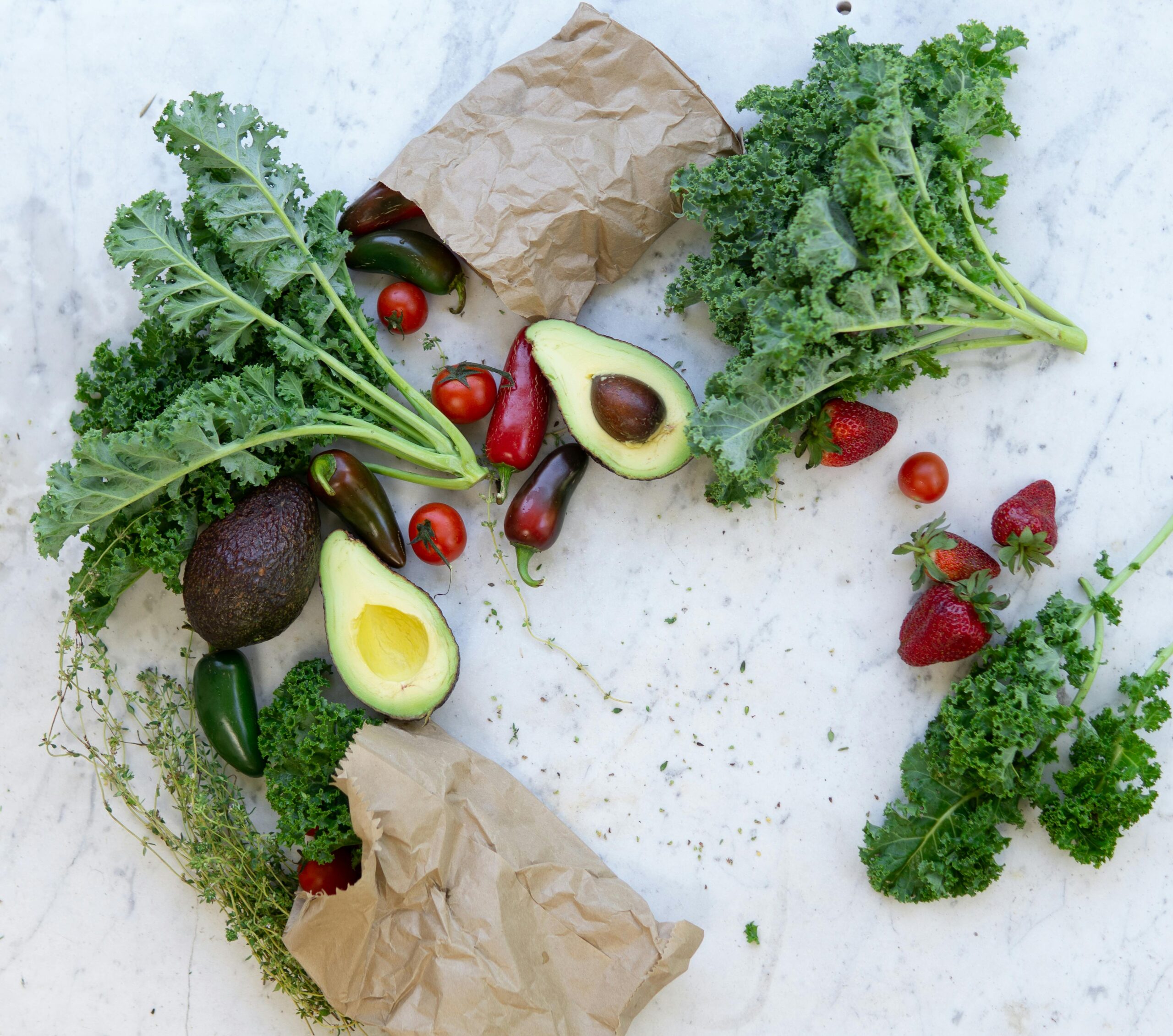
Focus on incorporating spinach, kale, carrots, tomatoes, cucumbers, bell peppers, zucchini, eggplant, and lettuce varieties. These vegetables provide essential nutrients, fiber, and visual appeal while remaining gentle on sensitive digestive systems.
🥜 Legume and Protein Alternatives
Most beans and legumes contain galacto-oligosaccharides, but several protein-rich alternatives ensure you meet your nutritional needs without discomfort.
Protein-Packed Low-FODMAP Options
Canned lentils (rinsed thoroughly) in small portions may be tolerated during the reintroduction phase. Firm tofu provides plant-based protein without FODMAPs, as the processing removes problematic compounds. Tempeh, made from fermented soybeans, is often better tolerated than regular soy products.
Animal proteins including chicken, turkey, beef, pork, fish, and seafood are naturally FODMAP-free and should form the foundation of your protein intake. Eggs offer versatile, affordable protein for any meal of the day.
🧂 Condiments and Sauce Transformations
Store-bought condiments often contain hidden high-FODMAP ingredients like garlic, onion, and high-fructose corn syrup. Creating homemade versions gives you complete control over ingredients.
Making FODMAP-Friendly Flavor Enhancers
Prepare your own tomato sauce using canned tomatoes, garlic-infused oil, fresh herbs, and low-FODMAP vegetables. Create mayonnaise using egg yolks, neutral oil, lemon juice, and mustard for sandwiches and salads.
Soy sauce alternatives include tamari (gluten-free soy sauce) in appropriate portions. Worcestershire sauce can be replaced with coconut aminos for similar umami depth. Make salad dressings using olive oil, lemon juice, Dijon mustard, and fresh herbs.
📊 Your Essential Ingredient Swap Matrix
| High-FODMAP Ingredient | Low-FODMAP Alternative | Best Uses |
|---|---|---|
| Cow’s milk | Lactose-free milk, almond milk | Baking, coffee, cereals |
| Wheat flour | Rice flour, oat flour, almond flour | Baking, coating, thickening |
| Onion | Green onion tops, chives, asafoetida | Soups, sauces, stir-fries |
| Garlic | Garlic-infused oil | All savory cooking |
| Honey | Maple syrup, table sugar | Sweetening, baking |
| Cauliflower | Broccoli heads, bok choy | Side dishes, stir-fries |
| Mushrooms | Eggplant, zucchini | Pasta sauces, stews |
| Kidney beans | Firm tofu, chicken | Protein source in meals |
🍳 Practical Strategies for Recipe Adaptation
Transforming your favorite recipes into low-FODMAP versions becomes intuitive once you establish a systematic approach to ingredient analysis and substitution.
The Three-Step Recipe Transformation Method
First, identify all high-FODMAP ingredients in your original recipe. Second, determine whether each ingredient serves a functional purpose (texture, binding, leavening) or flavor purpose. Third, select appropriate substitutes that fulfill the same role while remaining low-FODMAP.
Test your adapted recipes in small batches initially, making notes about texture, flavor, and any adjustments needed. Many recipes require only one or two substitutions to become completely FODMAP-friendly.
🎯 Maintaining Nutritional Balance While Swapping
When replacing ingredients, consider not just FODMAP content but also nutritional value. Ensure you’re getting adequate fiber, protein, vitamins, and minerals through your substitute choices.
Combine different flour types to achieve better nutritional profiles in baked goods. Include a variety of low-FODMAP vegetables to maximize micronutrient intake. Choose protein sources that provide complete amino acid profiles or combine complementary plant proteins.
✨ Making Low-FODMAP Cooking Your New Normal
The transition to low-FODMAP cooking represents an opportunity for culinary growth rather than limitation. As you master ingredient substitutions, you’ll develop an intuitive understanding of what works in different recipes.
Keep your pantry stocked with essential low-FODMAP staples including garlic-infused oil, gluten-free flour blends, lactose-free dairy products, and a variety of herbs and spices. This preparation eliminates last-minute stress when cooking.
Join online communities focused on low-FODMAP cooking to exchange recipes, tips, and encouragement. Learning from others who’ve navigated similar challenges accelerates your confidence and creativity in the kitchen.
Remember that the elimination phase is temporary for most people. As you reintroduce foods during the challenge phase under professional guidance, you’ll discover your personal tolerance levels and can expand your ingredient options accordingly.
Armed with this comprehensive ingredient swap matrix and practical strategies, you’re fully equipped to transform any recipe into a gut-friendly masterpiece. The journey to digestive wellness doesn’t require sacrificing the joy of cooking and eating delicious food—it simply invites you to explore new ingredients and techniques that support your health while satisfying your taste buds. 🌟