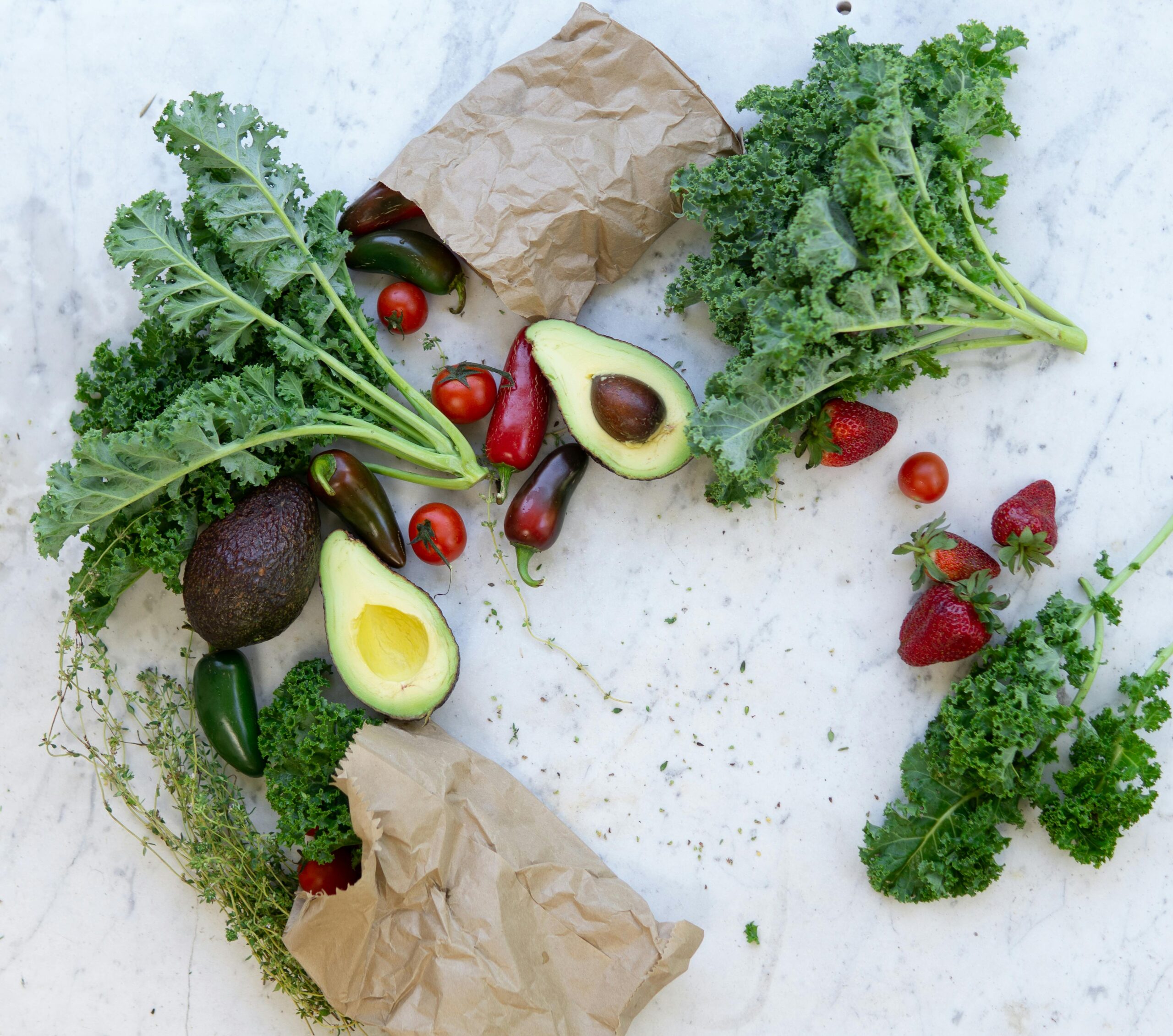
Living with IBS or digestive sensitivities doesn’t mean sacrificing culinary adventure. The low-FODMAP diet can embrace global flavors when you understand which ingredients to swap and which traditional dishes already fit naturally into this therapeutic eating plan.

Cultural cuisines offer incredible diversity that extends far beyond standard Western meals. Many traditional dishes from around the world contain naturally low-FODMAP ingredients, while others require only minor modifications to become gut-friendly without losing their authentic essence and soul-satisfying flavors.
🌍 Understanding the Low-FODMAP Framework Across Cultures
The low-FODMAP diet restricts fermentable carbohydrates that trigger digestive symptoms in sensitive individuals. These include oligosaccharides, disaccharides, monosaccharides, and polyols—compounds found in wheat, certain vegetables, dairy products, and artificial sweeteners. However, every cuisine contains ingredients that work beautifully within these parameters.
Rice, proteins, certain vegetables, and specific herbs form the foundation of countless traditional dishes worldwide. Japanese cuisine relies heavily on rice and fish, Thai cooking incorporates coconut milk and lemongrass, and Mexican food features corn tortillas and cilantro—all naturally compatible with low-FODMAP principles when prepared thoughtfully.
The key lies in identifying problematic ingredients like garlic, onion, wheat, and high-lactose dairy, then finding culturally appropriate substitutes that maintain flavor integrity. This approach transforms restriction into creative culinary exploration rather than deprivation.
🍜 Asian-Inspired Low-FODMAP Adaptations
Japanese Simplicity Meets Gut Health
Japanese cuisine naturally aligns with low-FODMAP eating through its emphasis on rice, fish, seaweed, and fermented products. Sushi made with fresh fish, rice, and cucumber requires no modification. Miso soup becomes gut-friendly when you use garlic-infused oil instead of fresh garlic and choose firm tofu in small portions.
Traditional teriyaki sauce contains problematic ingredients, but homemade versions using tamari (gluten-free soy sauce), ginger, maple syrup, and a touch of garlic-infused oil deliver authentic flavor. Serve over grilled salmon with steamed bok choy and jasmine rice for a complete, balanced meal that honors Japanese culinary traditions.
Thai Flavors Without the Fodder
Thai cuisine’s bold flavors come from lemongrass, galangal, kaffir lime leaves, fish sauce, and chili—all low-FODMAP ingredients. The challenge lies in avoiding shallots and garlic that appear in curry pastes and stir-fries. Green curry becomes accessible when you make paste from scratch using approved ingredients or infuse oil with garlic flavor.
Tom Yum soup exemplifies how Thai cooking naturally fits low-FODMAP parameters. The broth combines lemongrass, galangal, kaffir lime leaves, fish sauce, and chili oil with shrimp, mushrooms, and tomatoes. Fresh cilantro and lime juice finish this iconic dish that requires zero compromise on authenticity or taste.
Chinese Cooking Reinvented
Chinese cuisine presents challenges with its frequent use of garlic, onion, and wheat-based soy sauce. However, the cooking techniques and flavor profiles translate beautifully when adapted. Stir-fries using garlic-infused oil, tamari, ginger, and scallion greens (not whites) deliver authentic taste without digestive distress.
Fried rice becomes low-FODMAP with day-old rice, eggs, carrots, bok choy, scallion greens, and protein of choice. Season with tamari, sesame oil, and white pepper. The result tastes indistinguishable from traditional versions while keeping your gut happy and symptoms at bay.
🌮 Latin American Flavors for Sensitive Stomachs
Mexican Cuisine Simplified
Mexican food relies heavily on corn, tomatoes, peppers, cilantro, and lime—ingredients that work perfectly within low-FODMAP guidelines. Corn tortillas replace wheat versions, while salsa fresca made with tomatoes, cilantro, lime, and jalapeño adds brightness without triggering symptoms. Skip the onion or use garlic-infused oil for depth.
Tacos become weeknight staples with seasoned ground beef or chicken, lettuce, tomato, cheddar cheese (in moderate portions), and a squeeze of lime. Add homemade guacamole using firm avocado, lime juice, cilantro, and salt for healthy fats that satisfy without overwhelming digestion.
South American Comfort Foods
Brazilian cuisine offers naturally low-FODMAP options like grilled meats, rice, and farofa made with cassava flour. Argentine cooking emphasizes quality beef with chimichurri sauce—traditionally made with parsley, oregano, garlic, vinegar, and oil. The low-FODMAP version substitutes garlic-infused oil while maintaining that distinctive herbaceous punch.
Colombian arepas made from corn flour provide satisfying alternatives to wheat bread. Fill them with scrambled eggs, cheese, or shredded chicken for breakfast or snacks that honor cultural traditions while respecting digestive limitations. These versatile corn cakes adapt to sweet or savory applications effortlessly.
🍝 Mediterranean Adaptations That Satisfy
Italian Classics Reimagined
Italian cuisine’s wheat-centric nature requires creativity, but gluten-free pasta has evolved tremendously. Rice-based or corn-based varieties provide excellent texture when cooked properly. Pair with simple sauces like tomato-basil made with canned tomatoes, fresh basil, garlic-infused olive oil, and a pinch of sugar to balance acidity.
Risotto showcases how Italian cooking naturally accommodates low-FODMAP eating. Arborio rice cooked slowly with homemade stock (ensure no onion), white wine, butter, and Parmesan creates creamy comfort food. Add sautéed zucchini, spinach, or shrimp for complete meals that feel indulgent yet remain gut-friendly.
Greek Simplicity
Greek cuisine celebrates fresh vegetables, olive oil, lemon, and herbs—ingredients that align beautifully with low-FODMAP principles. Greek salad becomes perfectly appropriate when you moderate the feta cheese portion and skip the onion. The combination of cucumber, tomato, olives, feta, olive oil, and oregano delivers classic Mediterranean flavors.
Souvlaki made with marinated chicken or lamb, grilled and served with rice or gluten-free pita, provides satisfying protein. Tzatziki sauce requires modification—use lactose-free yogurt and infused garlic oil instead of fresh garlic. Fresh dill and cucumber maintain authentic taste while protecting sensitive digestion.
🍛 Middle Eastern Magic Without Triggers
Middle Eastern cuisine’s reliance on chickpeas and wheat presents challenges, but the region’s spice palette and cooking methods offer tremendous opportunity. Cumin, coriander, turmeric, cinnamon, and cardamom add depth without FODMAP concerns. These aromatics transform simple proteins and vegetables into exotic meals.
Grilled chicken shawarma seasoned with cumin, coriander, turmeric, paprika, and cinnamon delivers authentic flavor. Serve with rice, lettuce, tomato, cucumber, and tahini sauce made from pure sesame paste thinned with lemon juice and water. This combination satisfies cravings for complex flavors without digestive compromise.
Tabbouleh traditionally features bulgur wheat, but quinoa makes an excellent low-FODMAP substitute. Combine cooked, cooled quinoa with abundant fresh parsley, mint, tomato, cucumber, lemon juice, and olive oil. This herb-forward salad brings brightness to any meal while providing complete protein and fiber.
🥘 African Culinary Treasures
North African Spice Routes
Moroccan tagines exemplify how African cooking adapts to low-FODMAP needs. These slow-cooked stews combine protein with vegetables, dried fruits, and warming spices like cumin, ginger, turmeric, and cinnamon. Use chicken thighs with carrots, zucchini, preserved lemon, and olives for a dish that transports you to Marrakech.
Serve tagines over quinoa or rice instead of traditional couscous. The spice blend—ras el hanout without garlic—can be made at home using cumin, coriander, ginger, cinnamon, paprika, and cayenne. These flavors create depth that makes you forget about restricted ingredients entirely.
Sub-Saharan Staples
West African cuisine features rice, plantains, and peanuts—ingredients that work within low-FODMAP parameters when portioned appropriately. Jollof rice made with tomato paste, bell peppers, ginger, and spices becomes a celebration dish. Skip the onion or use infused oil, and limit serving sizes of tomato paste to avoid excess fructose.
Grilled plantains provide satisfying starch that’s naturally gluten-free and low-FODMAP when firm. The caramelized exterior and creamy interior pair beautifully with grilled proteins and vegetables. This versatile ingredient adapts to savory or sweet applications depending on ripeness and preparation method.
🍲 Creating Your Personal Fusion Kitchen
Stocking a Multicultural Low-FODMAP Pantry
Building a well-stocked pantry enables spontaneous cultural exploration without digestive worry. Essential items include tamari, fish sauce, rice vinegar, coconut milk, canned tomatoes, garlic-infused oil, ginger, and a variety of dried herbs and spices. These ingredients form the foundation for countless adaptations.
Invest in gluten-free alternatives like rice noodles, corn tortillas, gluten-free pasta, and certified oats. Keep quinoa, jasmine rice, and basmati rice on hand for quick sides. Canned tuna, salmon, and sardines provide convenient protein, while coconut milk opens doors to creamy sauces and curries without dairy concerns.
Mastering Flavor-Building Techniques
Garlic-infused oil becomes your secret weapon for adding depth without FODMAPs. Heat olive oil gently with whole garlic cloves for 10 minutes, then remove and discard the garlic. The oil captures flavor compounds without water-soluble FODMAPs, providing that essential savory foundation for countless dishes.
Umami-rich ingredients like tomato paste, tamari, fish sauce, and Parmesan cheese add complexity that compensates for missing onion and garlic. Layer these flavors thoughtfully to create dishes with satisfying depth. Fresh herbs added at the finish brighten and lift dishes, providing aromatic interest that makes restriction feel like abundance.
📱 Practical Meal Planning Strategies
Successful low-FODMAP eating requires planning, especially when exploring diverse cuisines. Dedicate time weekly to prepare components that streamline cooking. Batch-cook grains, marinate proteins, wash and chop vegetables, and make sauces in advance. This preparation makes weeknight cooking feel effortless rather than overwhelming.
Theme nights help structure your exploration—Asian Monday, Taco Tuesday, Mediterranean Wednesday. This framework provides direction while allowing flexibility within cultural parameters. Rotate through different regions monthly to prevent boredom and ensure nutritional diversity across your eating pattern.
Document successful adaptations in a personal cookbook or digital notes. Record which substitutions work, what flavors pair well, and which dishes your family requests repeatedly. This living document becomes increasingly valuable as you refine techniques and discover new favorites that honor both cultural traditions and digestive health.
🌟 Dining Out with Confidence
Restaurant meals require communication and strategic ordering. Most establishments willingly accommodate requests when you explain needs clearly. Request plain grilled proteins with simple seasoning, steamed rice, and vegetables without sauce. Bring small bottles of garlic-infused oil or tamari to enhance restaurant dishes discreetly.
Japanese restaurants offer excellent options with sashimi, simple rolls, miso soup (request no tofu or small portions), and edamame in moderation. Thai restaurants can prepare curries without curry paste using individual spices, coconut milk, and safe vegetables. Mexican restaurants serve plain grilled meats, corn tortillas, rice, and simple salsas that work beautifully.
Research menus online before dining out, noting potential dishes and required modifications. Call during off-peak hours to discuss options with staff. This preparation reduces anxiety and increases success rates, allowing you to enjoy social dining without compromising gut health or cultural food experiences.
💡 Embracing Flexibility and Experimentation
The low-FODMAP diet isn’t permanent for most people—it’s a diagnostic tool followed by systematic reintroduction. As you identify personal triggers, your culinary freedom expands. Some people tolerate small amounts of garlic powder, while others handle certain wheat products. Discovering your unique thresholds allows increasingly authentic cultural cooking.
Approach adaptations with curiosity rather than perfectionism. Some experiments fail spectacularly, providing valuable learning experiences. Others become household staples that you share with friends and family. The process itself—learning about global ingredients and techniques—enriches your relationship with food beyond symptom management.
Connect with others navigating similar journeys through online communities and social media. Share discoveries, swap recipes, and celebrate victories together. This support network provides encouragement during challenging moments and inspiration when creativity flags. You’re not alone in seeking flavorful, culturally diverse eating that respects digestive limitations.

🎯 Your Flavorful Fusion Future
Culturally diverse low-FODMAP eating transforms therapeutic restriction into culinary adventure. Every cuisine offers ingredients, techniques, and flavor profiles that accommodate sensitive digestion while delivering satisfaction and joy. The world’s culinary traditions become accessible when you understand substitution principles and embrace creative adaptation.
Start with familiar cuisines, master those adaptations, then branch outward toward less familiar territories. Each successful dish builds confidence and expands your repertoire. Over time, cooking this way becomes intuitive rather than laborious—you automatically identify safe ingredients and appropriate substitutions without constant reference to lists.
Your relationship with food can remain rich, varied, and culturally connected despite digestive challenges. The low-FODMAP framework provides structure, but creativity and cultural exploration provide joy. Embrace both elements equally, and discover that restriction and abundance can coexist beautifully on the same plate, bringing flavor, health, and satisfaction to every meal. 🌈